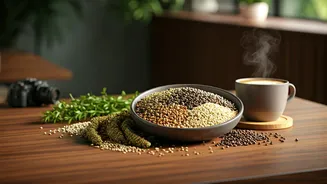



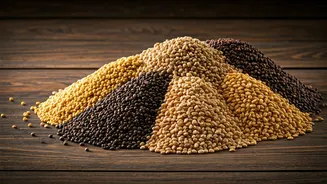
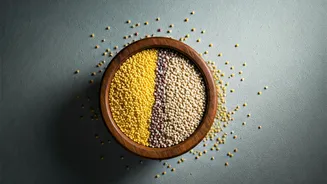
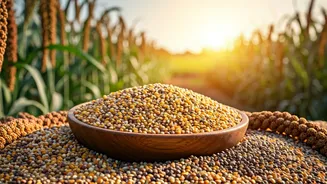
So, What Exactly is Millet?
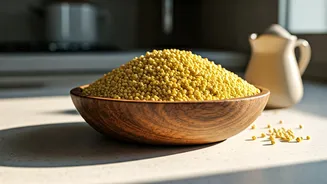
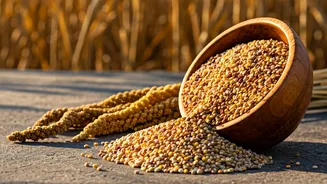
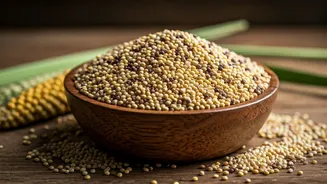
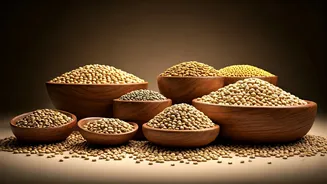
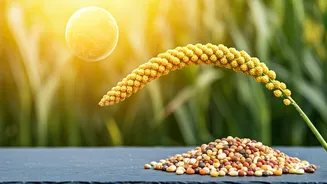
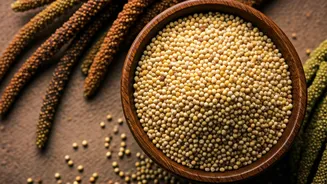
First, let's clear something up. When you hear 'millet,' don't picture a single grain. It's actually a diverse group of small-seeded grasses that have been cultivated for thousands of years across Africa and Asia. Think of it as a family, with popular
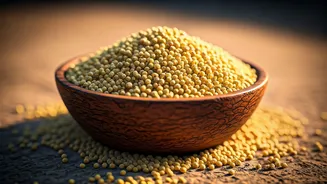
members like foxtail, pearl, and finger millet. For centuries, these grains were staples for a huge portion of the world's population, but in the U.S., they were largely overshadowed by corn and wheat, their primary role being relegated to birdseed mixes. Now, a global rediscovery is underway, driven by a search for new flavors, textures, and more resilient food sources. Unlike rice or wheat, millets are often chewier, with a mild, slightly sweet, and nutty flavor that makes them an excellent canvas for other ingredients. When cooked, they can be fluffy like quinoa, creamy like polenta, or even puffed and crisped for a crunchy topping.
The Modern Health Halo
A huge part of millet’s comeback tour is its nutritional profile, which hits all the right notes for today’s health-conscious eater. For starters, all millets are naturally gluten-free, making them an immediate go-to for anyone with celiac disease or gluten sensitivity. But the benefits don't stop there. They are a fantastic source of fiber, which aids digestion and helps you feel fuller longer. They also pack a surprising amount of plant-based protein and are rich in essential minerals like magnesium, which is crucial for nerve function and heart health, and phosphorus, which is vital for bone formation. This potent combination makes millet a fantastic, nutrient-dense carbohydrate that provides sustained energy without the spike-and-crash effect associated with more refined grains. It's the kind of ingredient that works as hard for your body as it does for your taste buds.
A Planet-Friendly Grain
The story of millet's resurgence isn't just about personal health; it's also about planetary health. In an era of increasing climate uncertainty, millets are what agricultural experts call a 'climate-smart' crop. They are incredibly hardy and drought-resistant, capable of thriving in arid conditions and poor soil where crops like wheat and rice would fail. This means they require significantly less water and fewer chemical inputs like fertilizers and pesticides. This resilience is so important that the United Nations declared 2023 the 'International Year of Millets' to promote their cultivation and raise awareness of their role in tackling food security and sustainability challenges. By choosing millet, consumers are inadvertently voting for a more diverse and robust food system—one that is less reliant on a handful of water-intensive monoculture crops.
From Café Menu to Your Kitchen
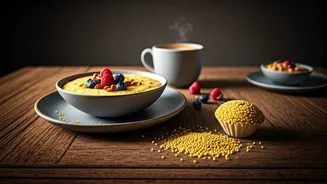
This perfect storm of health and environmental benefits is exactly why millet is appearing in unexpected places. In trendy cafés, you'll find it as the base for hearty grain bowls topped with roasted vegetables and tahini dressing. It’s being cooked into creamy morning porridge, swapping places with oatmeal and topped with berries and nuts. Chefs are using puffed millet to add a delightful crunch to salads, yogurts, and even chocolate bark. But the trend isn't just for professionals. At home, millet is one of the easiest grains to incorporate into your routine. You can cook it just like rice (a simple 2:1 ratio of water to grain) and serve it as a side dish. You can toss it into soups to add body, use it as a filling for stuffed peppers, or mix it with beans and herbs to make veggie burgers. Millet flour is also gaining ground in gluten-free baking, producing tender cakes and flavorful breads. Its versatility is its secret weapon.