
The Paradox of the Perfect Time
Let’s get one thing straight: traveling to central India in June sounds, on paper, like a terrible idea. Temperatures soar, often pushing 110°F. The air is thick, dusty, and waiting for the monsoon rains that will arrive in a few weeks to break the fever.
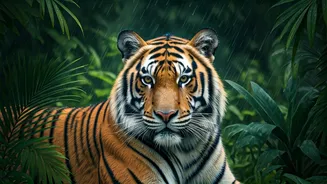
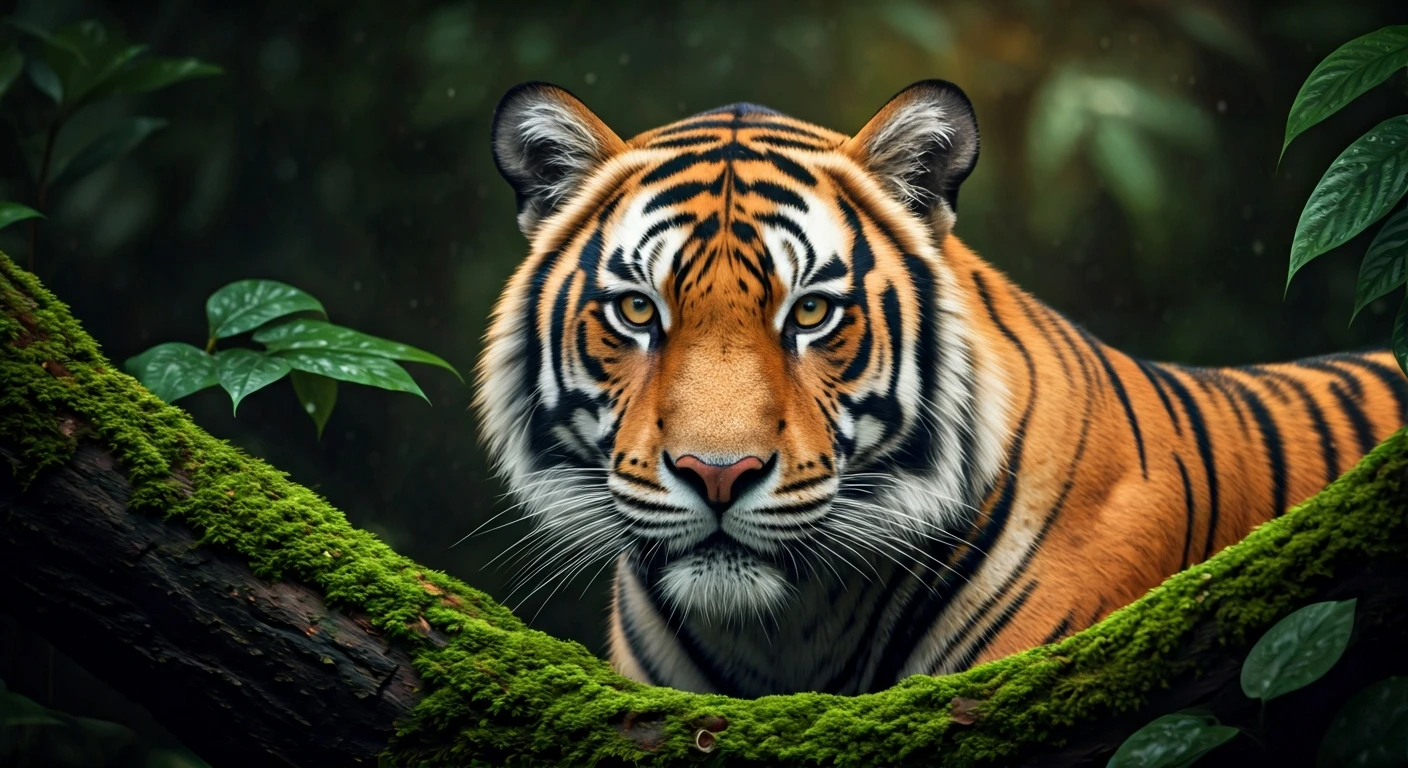
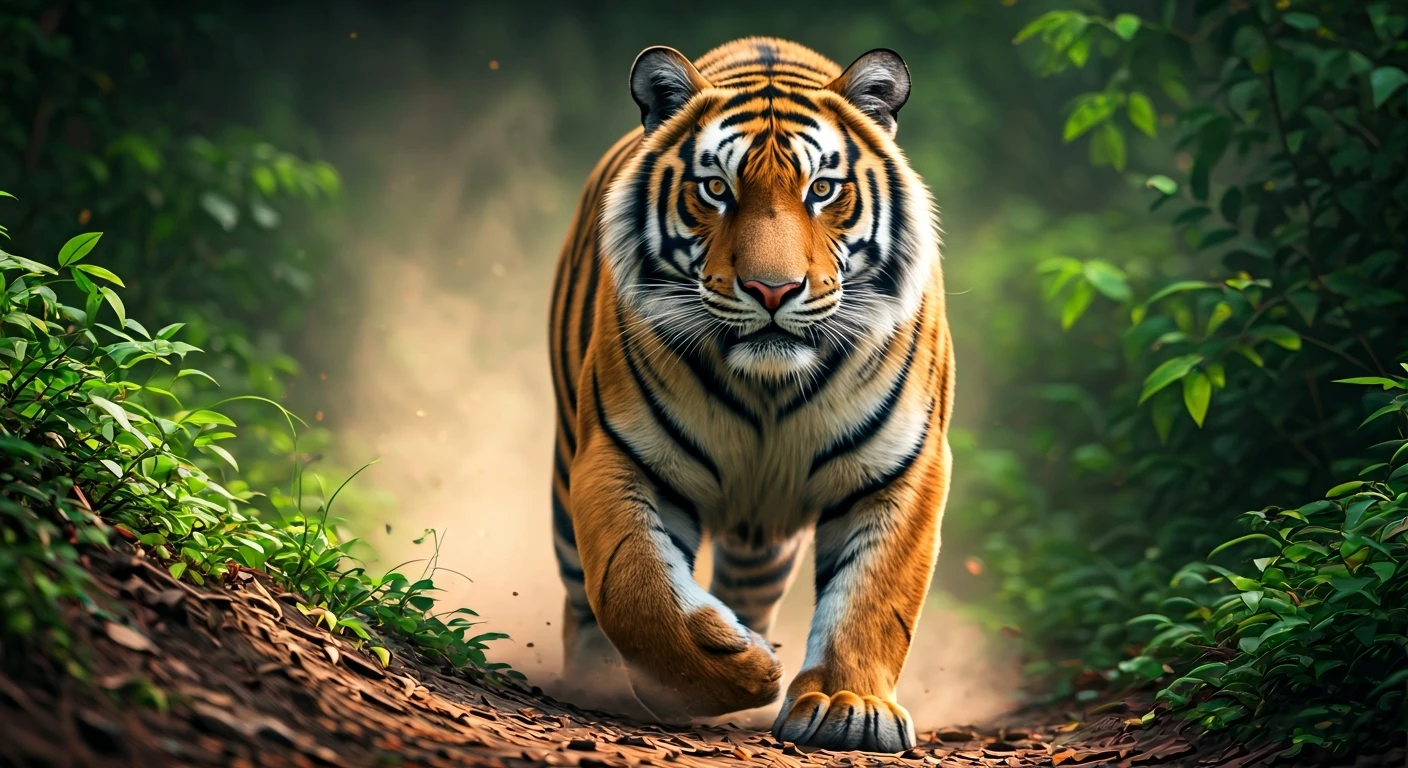
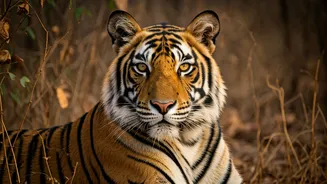
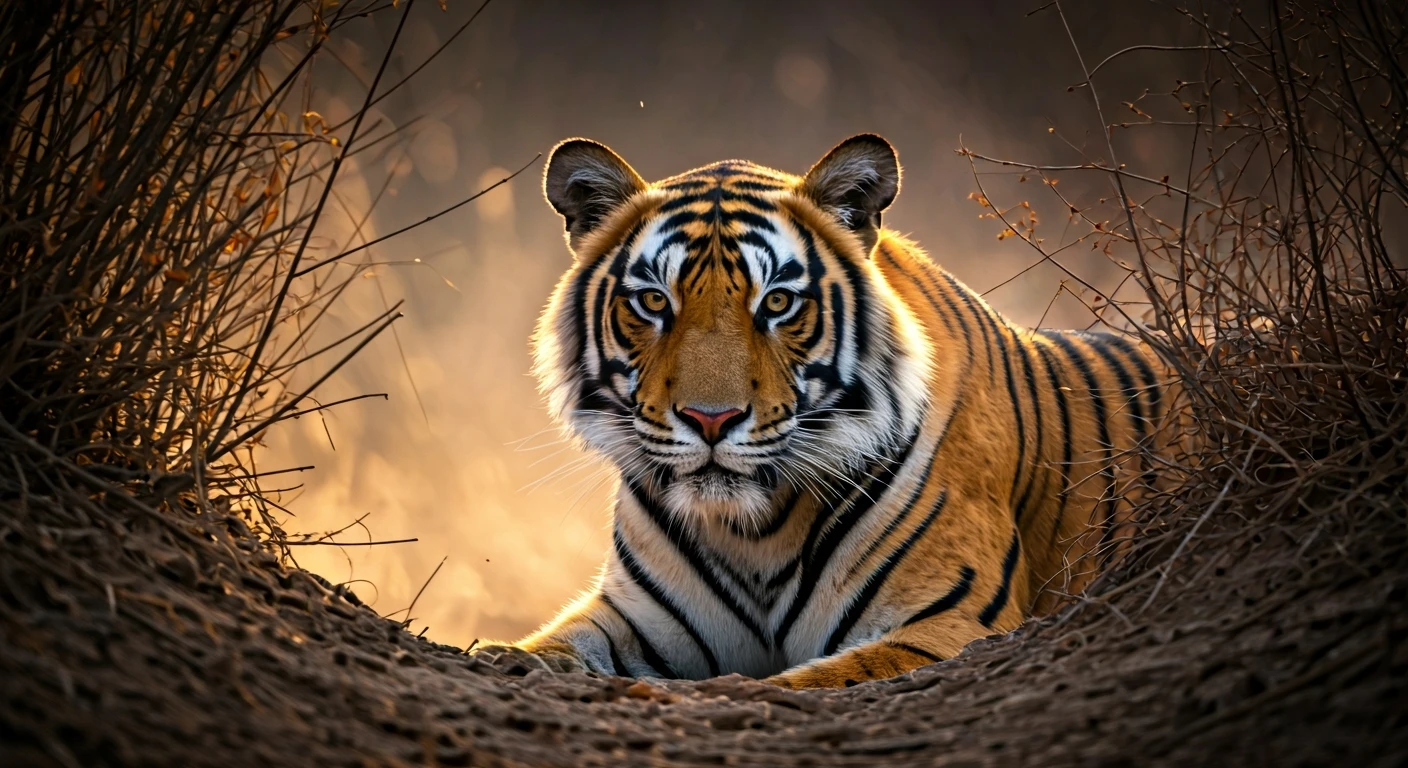
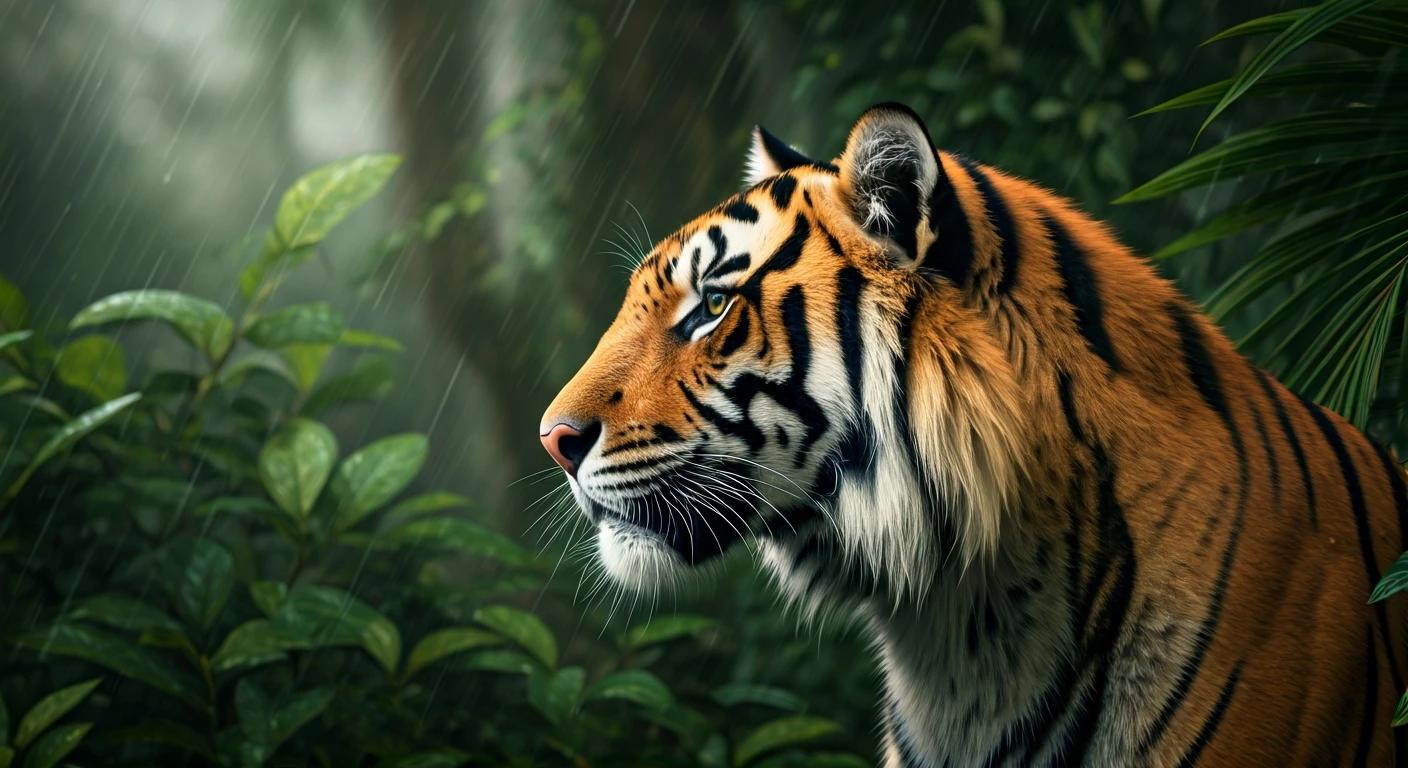
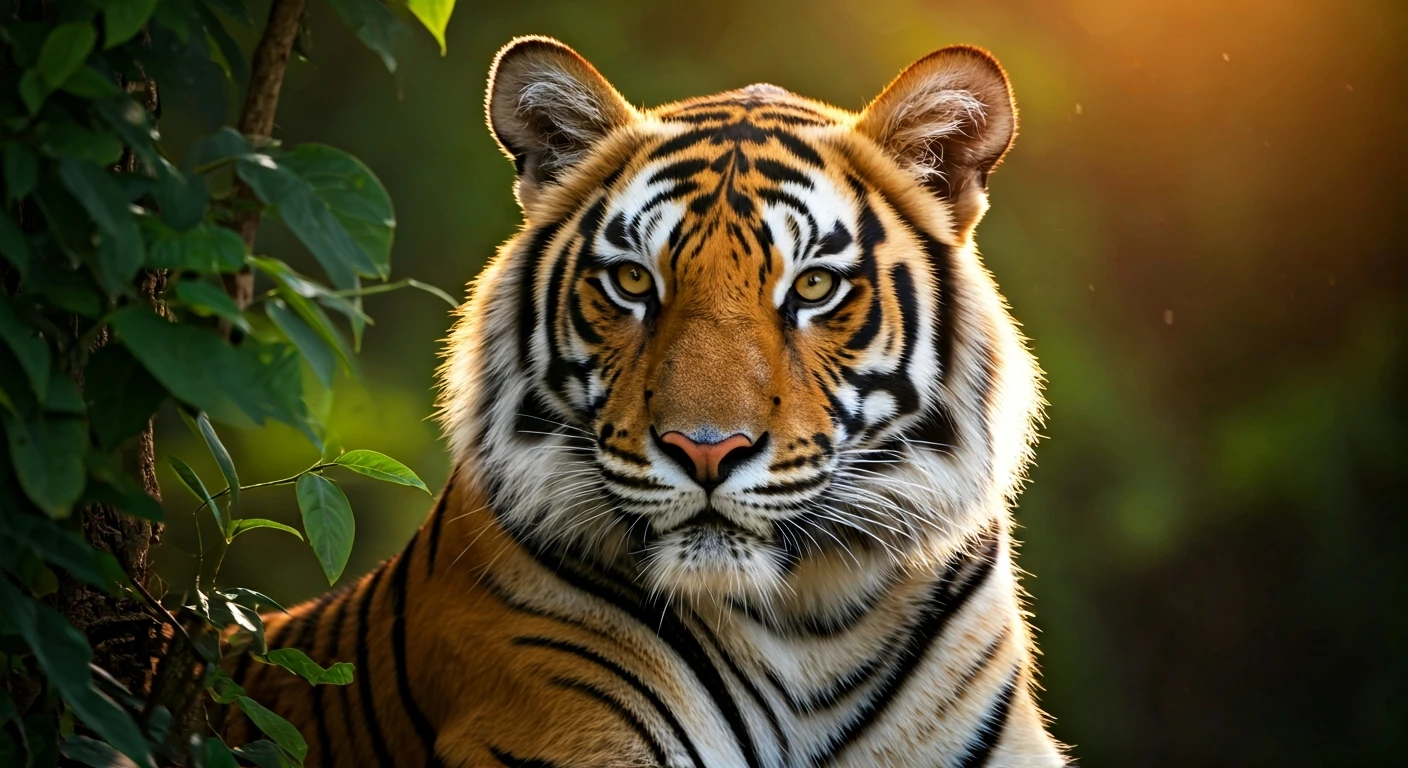
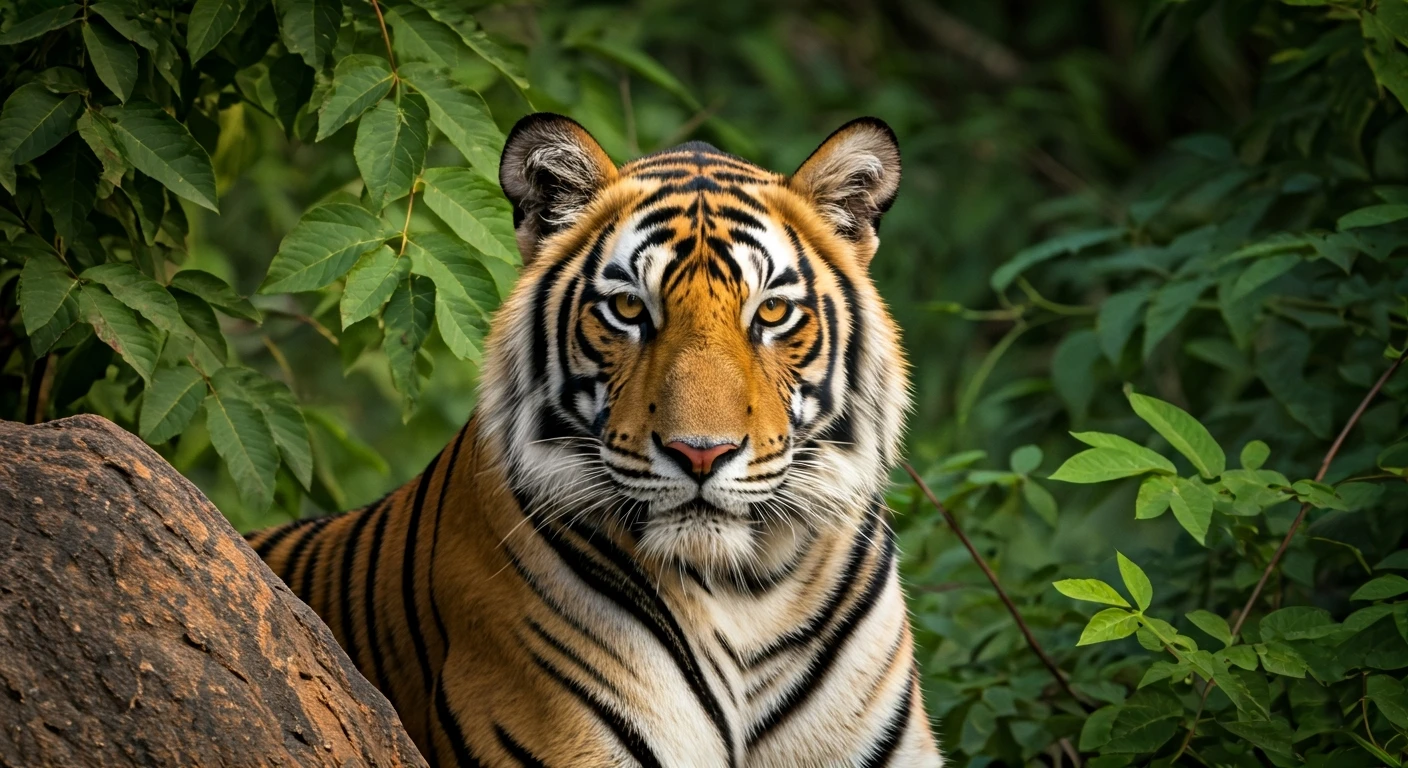
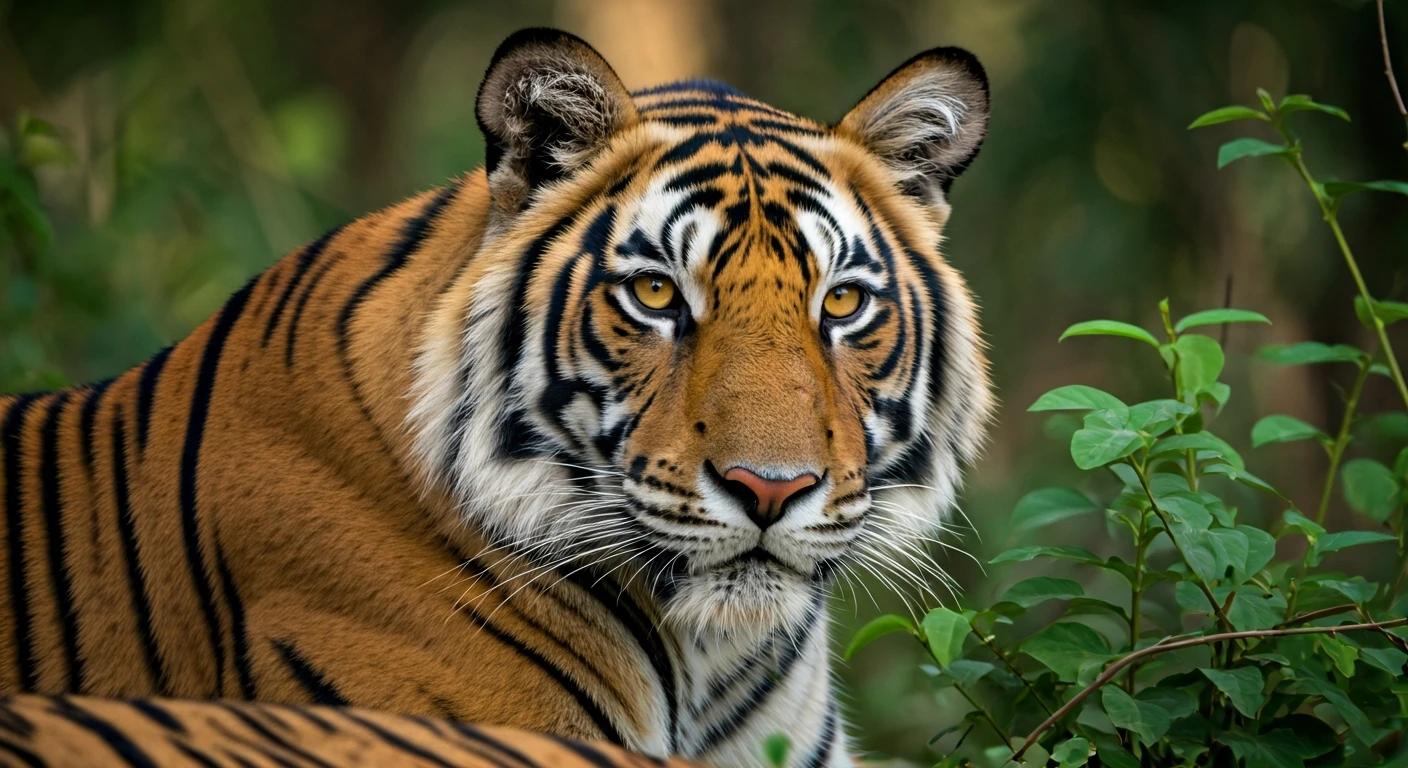
It is, by all accounts, uncomfortable. And that is precisely why you must go. This pre-monsoon heat is the secret ingredient to the world’s most spectacular tiger sightings. As the landscape bakes, smaller streams and watering holes evaporate, forcing the jungle’s inhabitants—including its most iconic predator—to seek out the few remaining, reliable sources of water. For a tiger, a powerful animal that generates immense body heat, a dip in a cool lake isn't just a luxury; it's a necessity. This predictable behavior transforms a game of chance into a strategic stakeout. Your guide, an expert in the park's rhythms, knows exactly where to go. The discomfort of the heat becomes your greatest advantage, concentrating the action and dramatically increasing your odds of witnessing a 500-pound cat emerge from the bamboo, stroll to the water's edge, and cool off in plain sight.
Where the Stripes Are
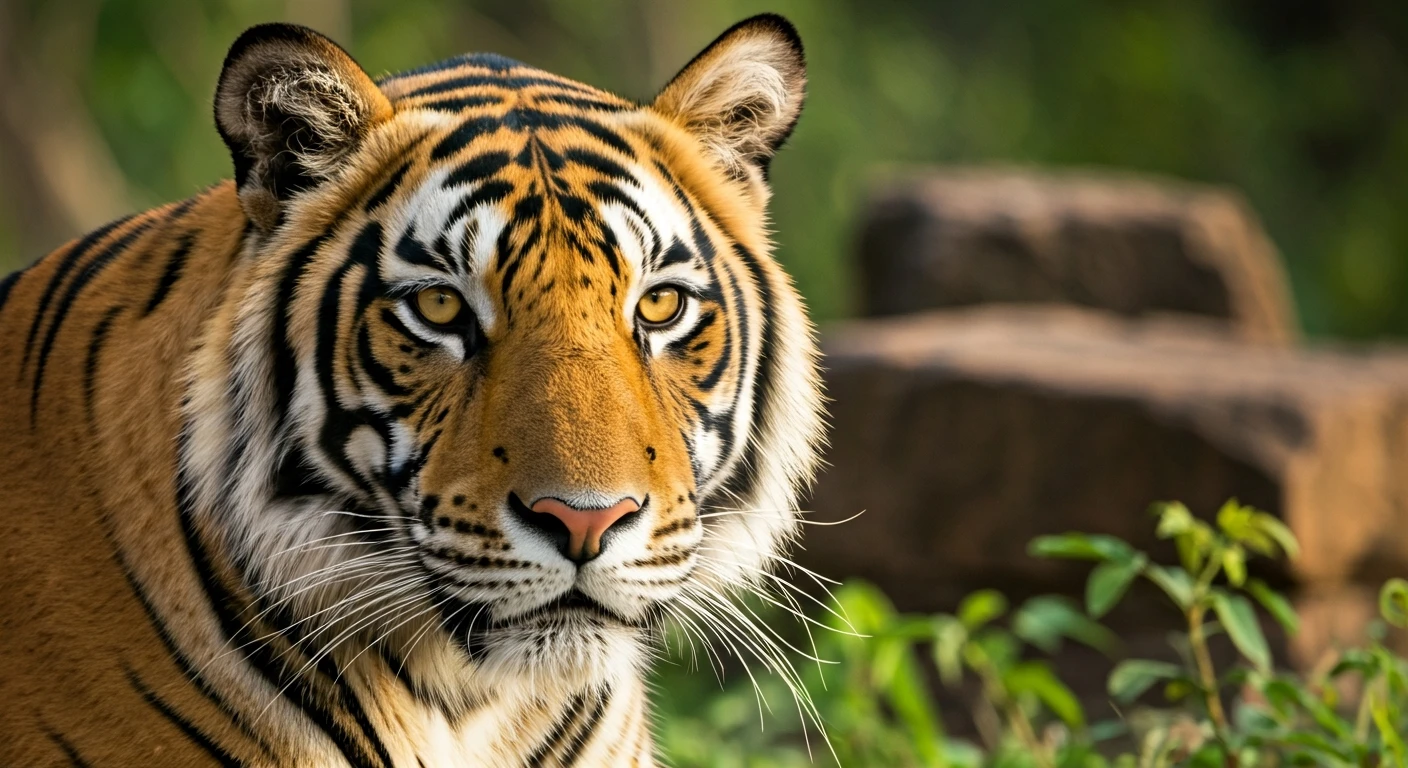
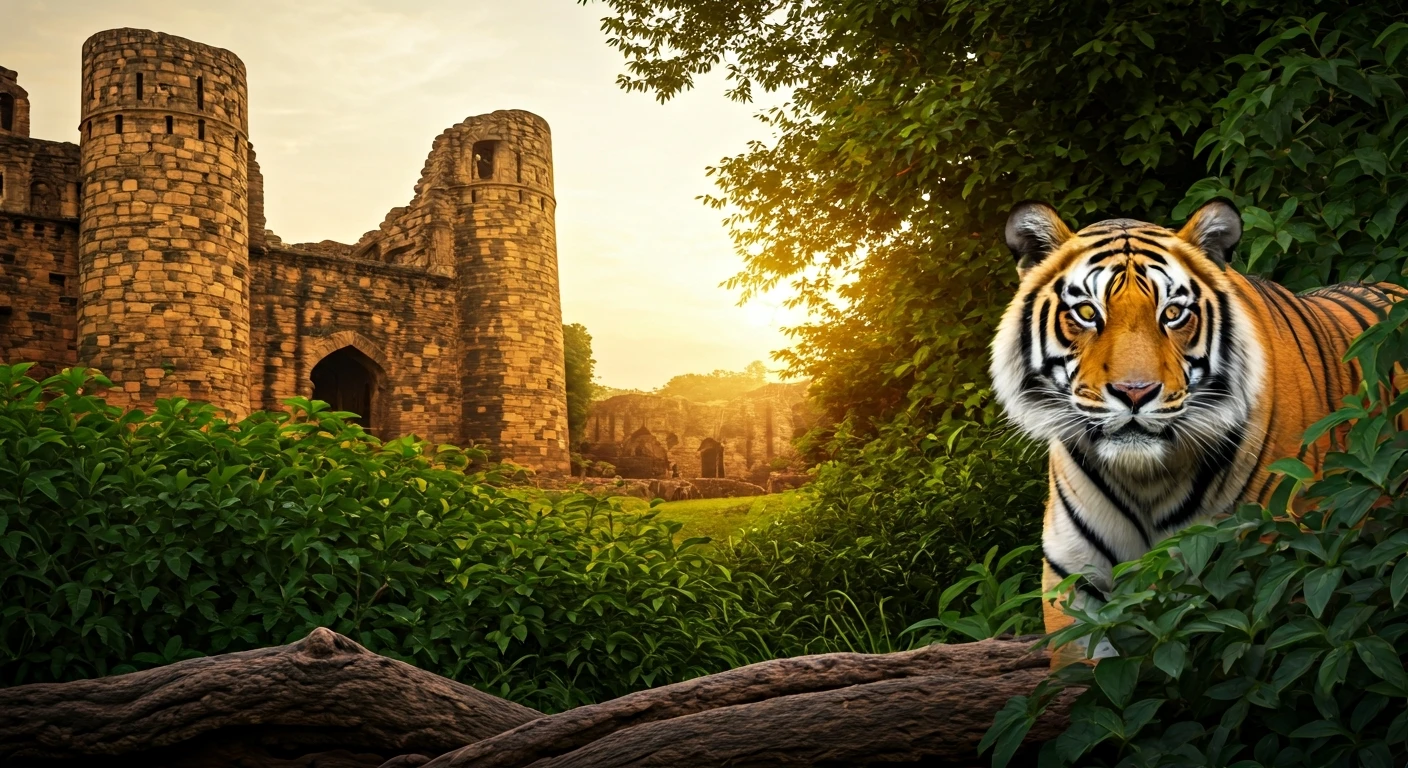
India is home to the majority of the world's wild tigers, and several national parks offer a front-row seat. The key is to choose a park in the central or northern regions, where the seasonal effect is most pronounced. Ranthambore National Park, Rajasthan: Famous for its dramatic setting, where tigers prowl around the ruins of a 10th-century fort. The lakes here are magnets for wildlife in the dry season, and seeing a tiger against the backdrop of ancient temples is an experience that feels pulled from a storybook. It’s one of the most accessible parks from major cities like Delhi and Jaipur. Bandhavgarh National Park, Madhya Pradesh: This park boasts one of the highest densities of tigers in India, making it a top choice for serious wildlife photographers and first-timers desperate for a sighting. The hilly, rocky terrain offers stunning vistas, but the core of the June experience remains the same: find the water, and you’ll find the wildlife. Tadoba-Andhari Tiger Reserve, Maharashtra: A rising star in the tiger-safari circuit, Tadoba is less crowded than its more famous counterparts but offers equally phenomenal sightings. It has a reputation for being open longer than other parks, sometimes even into the early monsoon, but the pre-monsoon heat of May and June is still considered the gold standard for visibility.
The Nature of the 'Emergency'
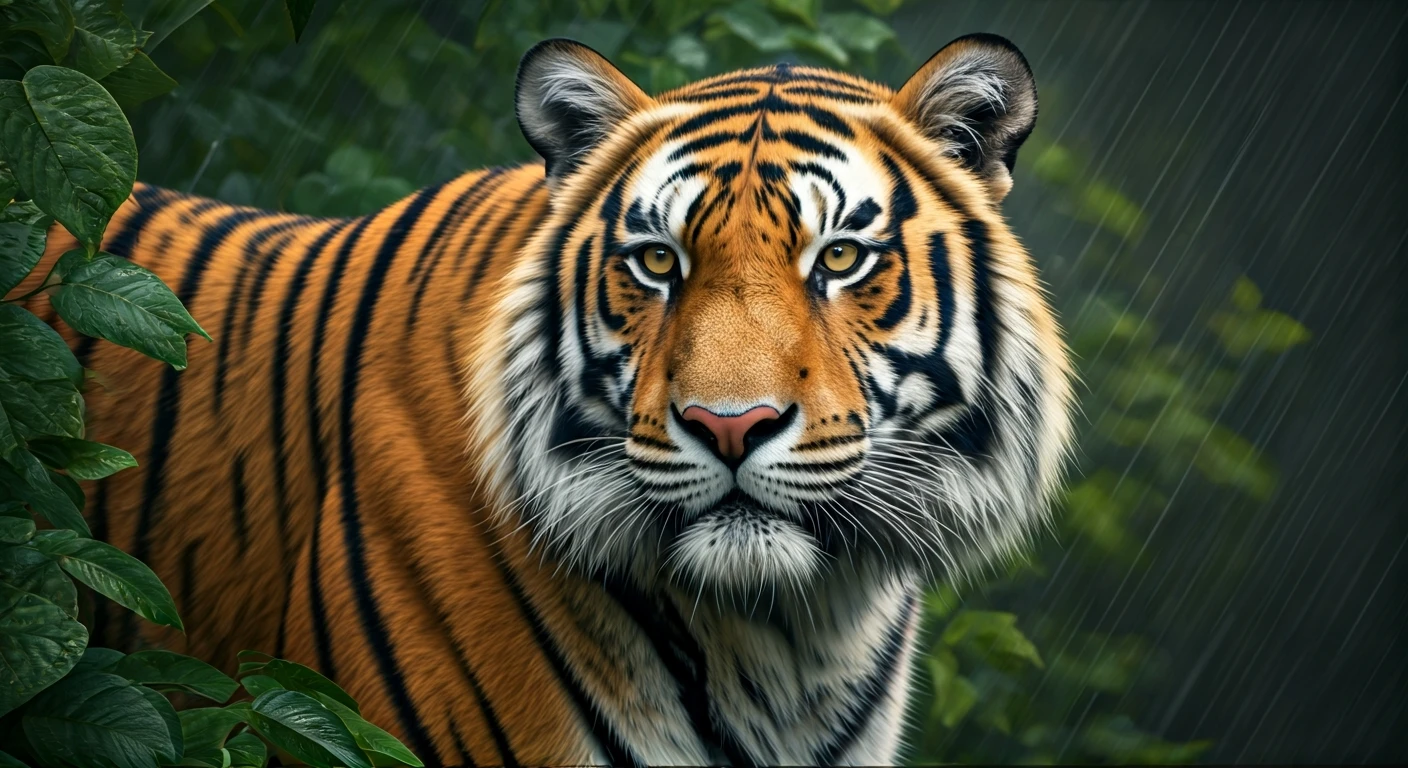
So what makes this a June 'emergency'? It’s a convergence of three factors. First, the biological window is real. Once the monsoon arrives in late June or early July, the jungle is reborn. Water is everywhere, the foliage becomes dense, and tigers no longer need to expose themselves. They retreat into the thickets, and sightings plummet. Many parks partially or fully close during the monsoon season (July through September). Second, the logistical window. You can't just decide to go next week. The best safari lodges and, crucially, the best guides are booked months, if not a year, in advance. Permits for the premium safari zones within the parks are limited and sell out fast. The 'emergency' isn't about hopping on a plane tomorrow; it’s the urgent call to start planning *now* for next June. If you want the best experience, the booking clock is always ticking. Finally, it's an emotional emergency. It’s the jolt to remind you that some experiences are worth prioritizing. It's a call to trade a comfortable, predictable vacation for something raw, profound, and utterly unforgettable.
Beyond the Star Attraction
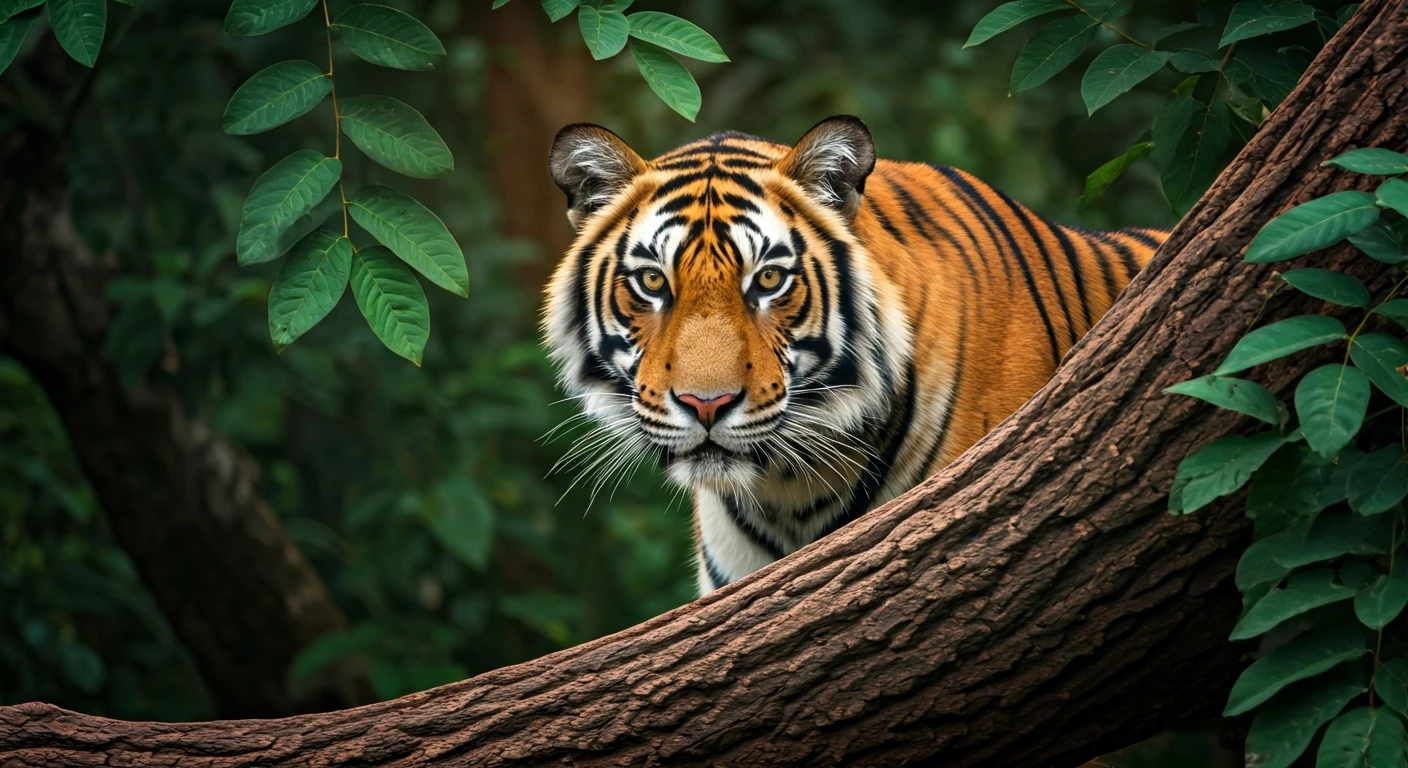
While the Bengal tiger is undoubtedly the main event, a safari in India is a full immersion into a vibrant ecosystem. The intense focus on finding a tiger can sometimes overshadow the incredible supporting cast. Keep your eyes peeled for elusive leopards lounging on tree branches, shaggy sloth bears digging for termites, and packs of wild dogs (dholes) trotting along the dusty tracks. The birdlife is spectacular, from the electric flash of a kingfisher to the majestic sight of a crested serpent eagle. Even the deer—sambar, chital, and barking deer—are beautiful, their constant alarm calls providing the soundtrack to your search. A safari isn't just a quest for one animal; it’s about appreciating the entire, interconnected web of life that unfolds before you in the jeeps that navigate these ancient forests. The tiger may be the reason you go, but the entire jungle is the reason you'll remember it forever.