





Understanding the Andaman Monsoon
Unlike a brief tropical shower you might encounter in Florida or the Caribbean, the monsoon in the Andaman and Nicobar Islands is a significant, months-long weather event. In fact, the islands experience two: the primary southwest monsoon from May to
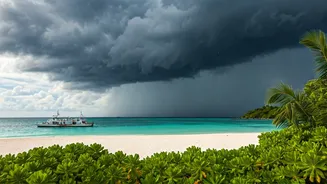
September, and the northeast monsoon from October to December. This means a large portion of the year sees heavy rainfall, strong winds, and rough seas. While the southwest monsoon is typically the most intense, the secondary season can also be powerful and unpredictable. These aren't just passing storms; they are persistent weather systems that define daily life. Rains can be torrential and last for hours, if not days, drastically changing the landscape and the feasibility of tourist activities. Understanding this rhythm is the first step for any prospective visitor. Ignoring it is to set yourself up for disappointment.
The Real Risks: More Than Just Rain
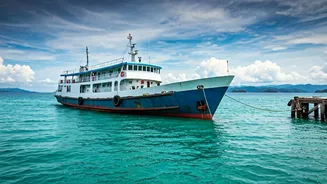
The main complication for travelers isn't getting wet—it's getting stuck. The Andaman archipelago relies heavily on ferry services to connect its most popular islands, including Port Blair, Havelock (Swaraj Dweep), and Neil (Shaheed Dweep). During heavy rains and high winds, these sea routes become dangerous, leading to frequent and often last-minute ferry cancellations. A canceled ferry might not just disrupt your itinerary; it could mean missing a flight home. Beyond transport, many of the activities that draw visitors are weather-dependent. Snorkeling and scuba diving sites may be closed due to poor visibility and strong currents. Popular beaches like Radhanagar might be windswept and less than idyllic. Treks through lush forests can become muddy and treacherous. Essentially, the very reasons you chose an island paradise can be temporarily suspended by the weather, a reality that tour brochures often downplay.
The Silver Lining: Perks of Off-Season Travel
If you're an intrepid traveler who doesn’t mind a bit of rain, visiting during the monsoon isn't without its charms. The biggest advantage is the lack of crowds. The high-season frenzy disappears, replaced by a quieter, more tranquil atmosphere. You can often have long stretches of beach almost to yourself, albeit under a cloudy sky. The islands are arguably at their most beautiful during this time. The rain washes the landscape clean, leaving behind a vibrant, impossibly lush green canopy. Waterfalls that are mere trickles in the dry season become roaring cascades. Furthermore, the low tourist traffic translates into significant savings. Flights, accommodations, and even some tour packages are often available at a steep discount, making a trip to this remote corner of the world much more accessible. For budget-conscious travelers who value solitude over guaranteed sunshine, the monsoon can be a golden opportunity.
Your Monsoon-Proof Travel Plan
If you decide to brave the showers, a smart strategy is essential. First, build buffer days into your itinerary, especially at the end. Plan to be back in Port Blair, the location of the main airport (Veer Savarkar International Airport), at least 48 hours before your flight home. This gives you a cushion in case of ferry delays. Second, consider staying on a single island, or sticking closer to Port Blair, to minimize reliance on inter-island transport. Third, book flexible or refundable travel and accommodation wherever possible. Travel insurance that covers weather-related disruptions is also a wise investment. Pack accordingly: bring quick-dry clothing, a reliable raincoat, waterproof bags for electronics, and non-slip footwear. Finally, maintain a flexible mindset. Instead of a rigid schedule, have a list of potential indoor and outdoor activities. A rainy day is a perfect opportunity to visit the Cellular Jail museum, explore local markets, or simply relax with a book and enjoy the dramatic scenery.