


The War on Dirty Dishes
Let’s start with the obvious: nobody likes doing dishes. The appeal of a one-pot meal isn’t just about a streamlined cooking process; it’s about the promise of a clean kitchen sink. In a world where time is our most precious commodity, minimizing cleanup
is a revolutionary act. After a long day of work, commuting, and juggling responsibilities, the thought of scrubbing multiple pans, bowls, and cutting boards can be enough to push anyone toward takeout. A one-pot recipe—whether it's a stew, a skillet pasta, or a sheet-pan dinner—slashes that cleanup time by 75% or more. This simple reduction in domestic labor is arguably the biggest driver of the trend. It transforms cooking from a multi-stage project into a single, manageable task, making a home-cooked meal feel achievable even on the most draining days.
Designed for the TikTok Age
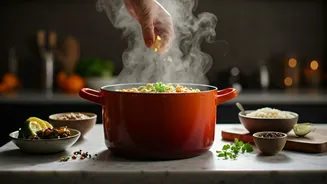
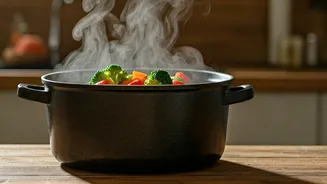
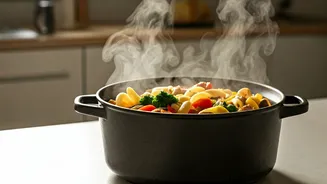
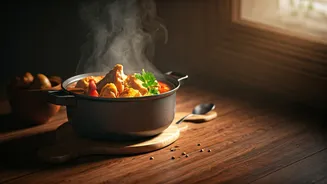
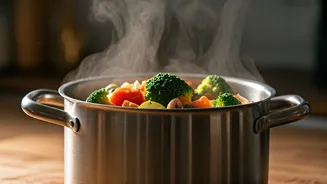
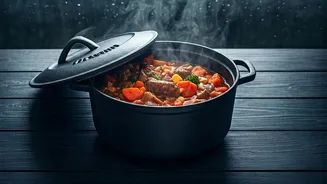
One-pot recipes are inherently visual and process-driven, making them perfect content for platforms like TikTok and Instagram Reels. A 60-second video can satisfyingly show ingredients being added one by one into a Dutch oven or skillet, building anticipation as the dish comes together. The final shot—a vibrant, steaming meal ready to be served from a single, beautiful vessel—is pure culinary catnip. Creators have mastered the art of the 'dump and stir' video, which is both mesmerizing to watch and, crucially, easy for viewers to replicate. This visual appeal democratizes cooking, making complex-looking meals seem accessible. The trend isn't just happening in our kitchens; it's being fueled by a constant stream of digital inspiration that proves deliciousness doesn't require a mountain of equipment.
Flavor Without the Fuss
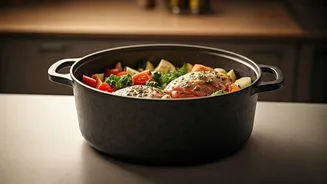
There was once a perception that one-pot meals were bland, mushy compromises. That assumption is now completely outdated. Modern one-pot recipes are masterclasses in flavor development. Cooking everything in the same vessel means no flavor is left behind. When you sear chicken in a pot, the browned bits (the 'fond') become the foundation for your sauce. As you add aromatics like onions and garlic, they absorb those savory notes. Then, as grains or pastas cook in the same liquid, they soak up all that accumulated deliciousness. This technique, called layering, creates a depth of flavor that can be difficult to achieve when components are cooked separately. From creamy Tuscan chicken to spicy sausage and rice skillets, today’s one-pot wonders are engineered for maximum taste with minimal effort, proving that convenience and culinary quality can coexist.
Smarter on the Wallet and the Planet
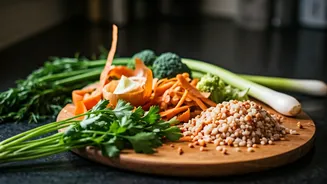
In an era of rising grocery costs, one-pot cooking is also an economic strategy. These recipes are often built around pantry staples, inexpensive proteins, and vegetables, allowing home cooks to stretch their budget further. The format encourages using up what you have—that half-an-onion, the lonely carrot, the last bit of spinach—reducing food waste significantly. By containing the entire meal in a single pan, you're also using less energy. But the savings are most apparent in the ingredient list. Instead of buying separate components for a main and two sides, a single, cohesive recipe simplifies your shopping list and lowers the risk of buying specialty items that will languish in your pantry. It's a practical, sustainable approach to eating well without breaking the bank.