

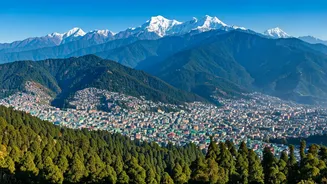
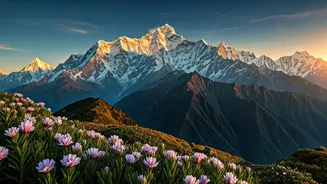
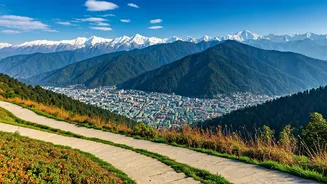


Embrace the Monsoon Mystique
Let’s get the most important detail out of the way: June in Gangtok marks the beginning of the monsoon season. For some travelers, rain is a dealbreaker. For those seeking atmosphere, it’s the main attraction. This isn’t a month for guaranteed, sweeping
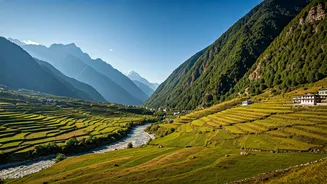
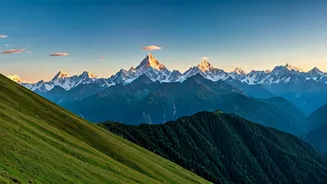
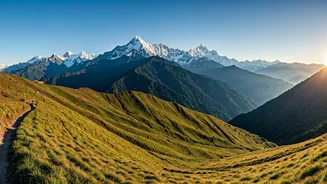
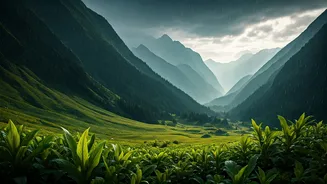
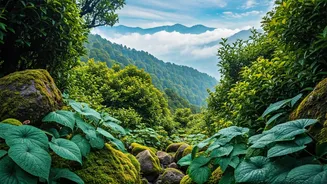
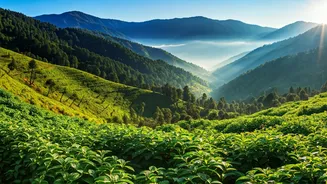
Himalayan vistas from your hotel window every morning. Instead, it’s a time of dramatic, rolling clouds that part to reveal breathtaking glimpses of green valleys and snow-dusted peaks. The constant drizzle cleanses the air, washes the dust from the prayer flags, and deepens the emerald color of the surrounding forests. The temperature is pleasant, hovering in the 60s and 70s Fahrenheit, perfect for exploring with a light jacket and an umbrella. The rain often comes in predictable spells, leaving plenty of time for discovery between showers. Rather than fighting the weather, lean into it. This is when Gangtok feels most like a secret kingdom in the clouds.
The Heartbeat: A Walk on MG Marg
The soul of modern Gangtok is MG Marg, a remarkably clean, pedestrian-only boulevard lined with shops, restaurants, and benches. While it’s a hub of activity year-round, in June it takes on a special charm. Locals and the few intrepid travelers huddle under shop awnings during a downpour, only to spill back onto the gleaming pavement the moment it stops. The vibe is unhurried. This is the perfect place to start your day with a walk, grab a coffee, or people-watch. Pop into a store like The souvenir shop to browse local handicrafts, from intricate Thangka paintings to warm woolen shawls. Unlike the crowded chaos of many Indian cities, MG Marg is an oasis of order and calm, making it an ideal, stress-free base for your explorations.
Monasteries in the Mist
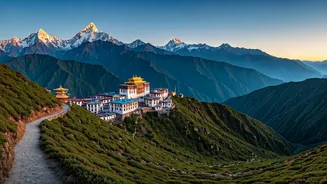
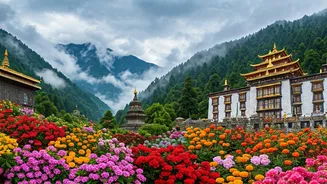
Sikkim's Tibetan Buddhist heritage is palpable, and its monasteries are essential stops. The misty weather of June only enhances their ethereal quality. The most famous near Gangtok is Rumtek Monastery, a sprawling complex that serves as a major center for Tibetan Buddhism. The sound of chanting monks, the smell of incense, and the sight of the golden-roofed gompa appearing through the clouds is a profoundly spiritual experience. Closer to town, Enchey Monastery offers a more intimate setting, perched on a ridge with a history stretching back 200 years. The journey to these sites, through winding roads flanked by lush, rain-fed foliage, is as much a part of the experience as the destination itself. The relative quiet of the season means you can often explore these sacred spaces without the jostle of large tour groups.
Savoring the Flavors of the Hills
The cool, damp weather is the perfect excuse to dive into Sikkim's incredible culinary scene. The food is a comforting blend of Tibetan, Nepali, and local influences. You can't leave without trying momos, delicate steamed dumplings filled with vegetables or meat, served with a fiery chili sauce. Find a small, local eatery and order a plate—they’re the ultimate rainy-day comfort food. Another must-try is thukpa, a hearty and flavorful noodle soup that will warm you from the inside out. For a more adventurous palate, seek out gundruk or sinki, fermented leafy greens that form the base of many savory soups. Wash it all down with a cup of local temiorganic tea or try the traditional millet beer, tongba. Cozying up in a cafe with a hot meal while watching the rain fall over the mountains is a core part of the Gangtok June experience.
Day Trips and Smart Planning
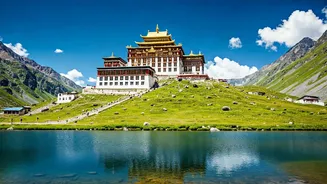
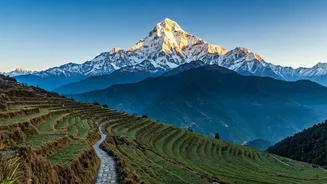
Popular excursions from Gangtok include Tsomgo Lake, a glacial lake at over 12,000 feet, and Nathu La Pass on the Chinese border. It's crucial to have realistic expectations in June. While these areas are stunningly beautiful when shrouded in fog and surrounded by late-blooming rhododendrons, road accessibility can be an issue. Landslides are a possibility during heavy rains, and permits can sometimes be restricted. It’s wise to book through a reputable local travel agent who has up-to-the-minute information on road conditions. Have a backup plan, like visiting the serene Tashi View Point for a chance at a clearing view of Mount Kanchenjunga, or exploring the Namgyal Institute of Tibetology, a museum and library with a vast collection of rare Buddhist artifacts. The key is flexibility; the adventure lies in what the day brings.