

1. Windows That Work for You
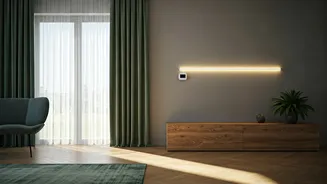
The biggest energy drains in a home are often the windows, letting in summer heat and leaking winter warmth. The old solution was heavy, light-blocking curtains. The 2026 flex is automated window treatments. Think smart blinds and shades programmed to respond
to the sun's position and the time of day. They can automatically close during the hottest part of a summer afternoon to reduce solar gain, then open again as the sun sets to let in cooler evening air. This isn't just about convenience; it's about passive climate control. Companies like Hunter Douglas, Lutron, and even IKEA now offer systems that integrate with your smart home hub. The practical benefit is a noticeable dip in your cooling and heating bills. The flex? A home that anticipates your needs and manages its own environment with quiet, futuristic elegance.
2. Lighting That's Genuinely Smart
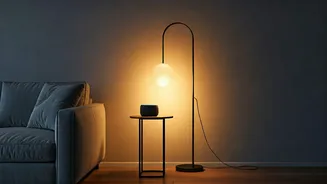
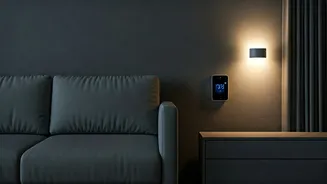
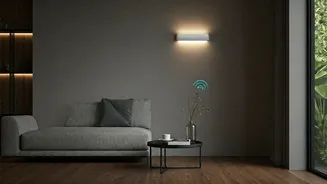
Switching to LED bulbs is yesterday’s news. The new frontier is intelligent, human-centric lighting systems. This goes far beyond just dimming the lights with your voice. Modern systems from brands like Philips Hue allow you to tune the color temperature of your lights throughout the day, mimicking the natural arc of the sun. This can mean crisp, blue-toned light in the morning to help you feel alert, and warm, amber tones in the evening to promote relaxation and better sleep. Add in occupancy sensors that automatically turn lights off in empty rooms, and you have a system that enhances your well-being while cutting down on wasted electricity. It’s a subtle but powerful upgrade. The flex isn't a fancy chandelier; it's a living space that actively contributes to your health and productivity while sipping, not gulping, energy.
3. Climate Control by the Room
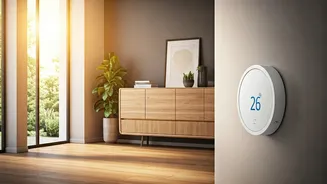
Central air and heating are incredibly inefficient. Why heat a guest room you haven’t entered in months to the same 72 degrees as your living room? The smart solution is zoned climate control. While a full HVAC overhaul can be costly, smart vents are a brilliant and more accessible entry point. Products from companies like Flair and Keen Home replace your standard vent registers and work with your smart thermostat. They can automatically open and close to redirect airflow, balancing temperatures across rooms and closing off airflow to unused spaces. This hyper-efficient approach means your system runs less often and works more effectively, saving significant money. The practical side is obvious, but the flex is having a home with personalized microclimates, ensuring everyone’s comfort without wasting a single kilowatt.
4. Surfaces and Materials That Insulate
The most effective energy-saving measures are often the least visible. While not as flashy as a smart gadget, upgrading your home's 'envelope' is a core part of the practical flex. This can start with thermal insulating paint, which contains ceramic microspheres that reflect heat, keeping your rooms cooler in the summer and warmer in the winter. A few coats on an exterior-facing wall can make a tangible difference. Similarly, consider your flooring. Cork, a rapidly renewable resource, is a fantastic natural insulator for both temperature and sound. Even a simple, high-quality, insulated rug pad under an area rug can prevent heat loss through the floor. The flex here is about substance over style—it’s the deep, satisfying knowledge that your home is fundamentally sound and efficient from its very bones, not just superficially decorated.
5. The High-Efficiency Connected Kitchen
The kitchen is the heart of the home, but it's also an energy hog. The 2026 flex kitchen isn't about having the biggest, commercial-grade appliances; it's about having the most efficient ones. The gold standard is moving from a gas or traditional electric stove to an induction cooktop. Induction uses magnetic fields to heat the pan directly, making it nearly 90% energy-efficient compared to about 40% for gas. It’s faster, safer, and offers more precise temperature control. Pair this with the latest generation of Energy Star-rated refrigerators, dishwashers, and ovens, many of which now feature smart connectivity to optimize energy usage during off-peak hours. The practical result is a kitchen that costs less to run. The flex is a sleek, modern, and high-performance cooking space that’s better for both the planet and your gourmet aspirations.