









The Soothing Power of Tulsi
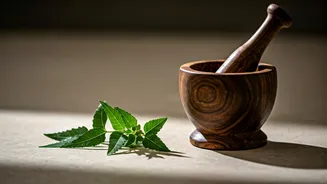
The star of this concoction is Tulsi, also known as Holy Basil. Revered in India for thousands of years and a cornerstone of Ayurvedic medicine, Tulsi is celebrated as an adaptogen. Adaptogens are herbs believed to help the body resist and adapt to physical,
chemical, and biological stressors. Modern life is a firehose of stress, which often keeps our cortisol levels—the primary stress hormone—elevated, making it difficult to power down at night. Traditionally, Tulsi is used to promote a sense of calm and well-being. Some research suggests it may help modulate the body's stress response, potentially contributing to lower cortisol levels and reduced feelings of anxiety. By helping to take the edge off a racing mind, Tulsi doesn't act as a sedative that forces you to sleep. Instead, it helps create the peaceful internal conditions that allow sleep to come more naturally. Think of it less as a switch and more as a gentle dimmer for your body’s stress system.
Ginger’s Calming Comfort
While Tulsi works on the mind, ginger gets to work on the body. This zesty, warming root is a global superstar, most famous for its ability to quell nausea and aid digestion. What does that have to do with sleep? More than you might think. Indigestion, bloating, or any kind of stomach discomfort can be a major obstacle to falling and staying asleep. A calm digestive system is an underrated component of a peaceful night. By sipping a ginger-infused drink before bed, you’re helping to settle your stomach after your last meal. Beyond digestion, ginger is also packed with compounds like gingerol, which have potent anti-inflammatory and antioxidant effects. This can help soothe minor aches and pains, further relaxing your body and removing physical distractions that might keep you from drifting off. It adds a layer of physical comfort that complements Tulsi’s mental calming effects.
Why They Work Together
The magic of this concoction lies in its synergy. It’s a two-pronged approach to pre-sleep relaxation. The Tulsi addresses the top-down stressors: the busy mind, the lingering anxiety from the day, and the hormonal signals that tell your body to stay on high alert. It gently encourages your nervous system to shift from a “fight or flight” state to a “rest and digest” mode. At the same time, the ginger works from the bottom up, tackling physical discomforts. It calms your digestive tract, eases inflammation, and provides a comforting warmth that spreads through your body. Together, they create a holistic sense of ease. Your mind isn't racing, and your body isn't sending distress signals, making it far easier to surrender to sleep.
Your Bedtime Brew Recipe
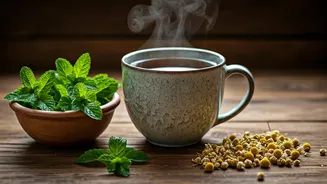
Making this soothing drink is as simple as brewing tea. The ritual of preparing it can be just as calming as the drink itself. Here’s a simple guide to get you started. **Ingredients:** - 1 cup (8 oz) of water - 1 teaspoon of dried Tulsi leaves (or 1 Tulsi tea bag) - ½-inch piece of fresh ginger, thinly sliced or grated - 1 teaspoon of honey or a slice of lemon (optional, for taste) **Instructions:** 1. **Prepare the Ingredients:** If using fresh ginger, give it a good rinse and slice or grate it. No need to peel it if it’s organic. 2. **Boil:** In a small saucepan, bring the cup of water to a boil. Once boiling, add the sliced/grated ginger and the Tulsi leaves or tea bag. 3. **Simmer:** Reduce the heat and let the mixture simmer gently for 5-10 minutes. A longer steep will result in a stronger, more potent flavor. Cover the pot to keep the essential oils from escaping with the steam. 4. **Strain and Serve:** Strain the tea into your favorite mug. If you’re using a tea bag, simply remove it. Add honey or a squeeze of lemon if desired. Let it cool slightly before sipping.