
The New Comfort Food Menu
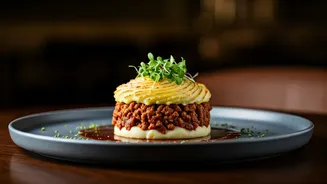
Walk into any trendy bistro or gastropub today, and the menu tells a fascinating story. Nestled between the seared scallops and the duck confit, you’ll find dishes that look suspiciously like your childhood favorites, but dressed for a black-tie gala.
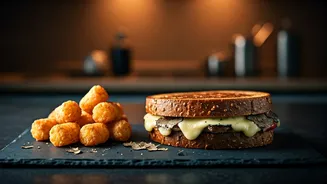
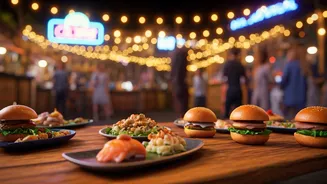
Mac and cheese isn't just Kraft anymore; it’s a five-cheese blend with pancetta and a toasted panko crust. Tater tots, once relegated to the school cafeteria, are now served crispy, golden, and drizzled with truffle oil and shaved Parmesan. Even the humble hot dog has been reimagined, topped with everything from kimchi and kewpie mayo to pulled pork and jalapeño relish. This isn't an isolated phenomenon. It’s a full-blown culinary movement dubbed “high-low dining.” Restaurants are taking low-cost, universally loved comfort foods and elevating them with premium ingredients and sophisticated techniques. The result is a dish that feels both familiar and exciting, tapping into our nostalgia while satisfying a modern palate that craves something special. It’s the culinary equivalent of wearing designer sneakers with a vintage t-shirt—a blend of casual comfort and deliberate luxury.
A Deep Craving for Nostalgia
So, why are we suddenly willing to pay a premium for glorified kid food? The answer, in large part, is psychological. In a world of economic uncertainty, political division, and lingering post-pandemic anxiety, we crave the emotional safety of the past. Comfort foods are, by definition, comforting. They evoke memories of simpler times, of family dinners and after-school snacks. They are a culinary security blanket. But our tastes have also evolved. The same person who grew up on macaroni from a box now binge-watches chef documentaries and follows food influencers. We appreciate quality ingredients and complex flavor profiles. The elevated comfort food trend perfectly marries these two impulses. It gives us the emotional payoff of nostalgia without forcing us to sacrifice the sophisticated flavors we’ve come to expect from a meal out. A lobster grilled cheese provides the satisfying, gooey warmth of the original, but with an added layer of indulgence that makes it feel like a grown-up treat. It’s a way to feel safe and special all at once.
The Instagram Effect
It’s impossible to talk about any modern food trend without mentioning social media. Simple, rustic food can be delicious, but it isn’t always beautiful. A bowl of standard chili or a plain hot dog doesn’t exactly scream “share me.” But an artfully constructed bowl of mac and cheese, glistening under a blanket of toasted breadcrumbs, or a hot fudge sundae piled high with artisanal toppings? That’s content. Restaurants know that a highly photogenic dish is a powerful marketing tool. An over-the-top, “fancy” version of a simple classic is engineered for the perfect cheese-pull video on TikTok or a vibrant, top-down shot on Instagram. The visual drama—the melted cheese, the decadent toppings, the sheer scale of it all—makes people stop scrolling. It generates buzz, drives foot traffic, and, crucially, helps justify the higher price tag. When you’re paying $20 for a burger, you’re not just paying for the ingredients; you’re paying for the experience and the photo op that comes with it.
Smart Kitchen Economics
Beyond the cultural and social drivers, there’s a straightforward business logic at play. For restaurants operating on razor-thin margins, this trend is a financial godsend. The base ingredients for most comfort foods—potatoes, pasta, bread, ground meat—are relatively inexpensive. The perceived value comes from the “fancy” additions. Truffle oil, a small amount of high-quality cheese, or a bit of specialty cured meat can dramatically increase the price a customer is willing to pay, while only marginally increasing the restaurant's cost. Transforming a $1 plate of fries into an $11 plate of “parmesan-truffle frites” is an incredibly profitable move. It allows chefs to be creative and offers customers a feeling of affordable luxury, all while boosting the bottom line. It’s a win-win that leverages basic ingredients into high-margin menu stars, ensuring that even in tough economic times, the restaurant can deliver something that feels both special and profitable.