

Beyond the Spice Box
For generations, the Indian kitchen has been a home pharmacy. A pinch of turmeric for inflammation, a sprig of tulsi (holy basil) for a cough, or a spoonful of ajwain (carom seeds) for indigestion. These weren't 'health hacks'; they were just… food. Today,
this ancient wisdom is getting a 21st-century makeover. The concept of 'functional foods'—foods fortified with ingredients that provide health benefits beyond basic nutrition—is exploding across India. But unlike the Western version, which often focuses on adding isolated vitamins or proteins, India’s trend is about commercializing and standardizing the potent ingredients that were already in the nation's DNA. It’s the grandmother’s spice box, redesigned by food scientists and marketers for a new, convenience-driven generation.
The New Indian Pantry
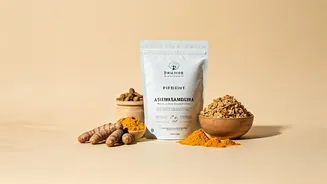
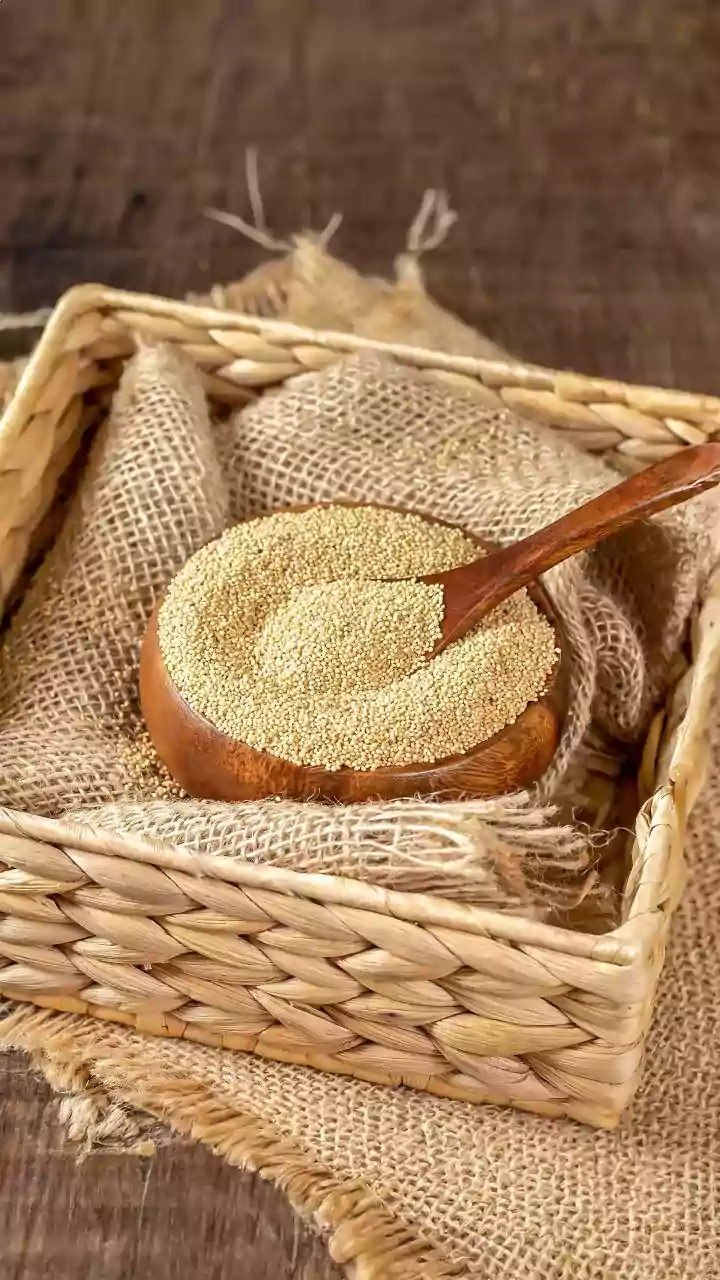
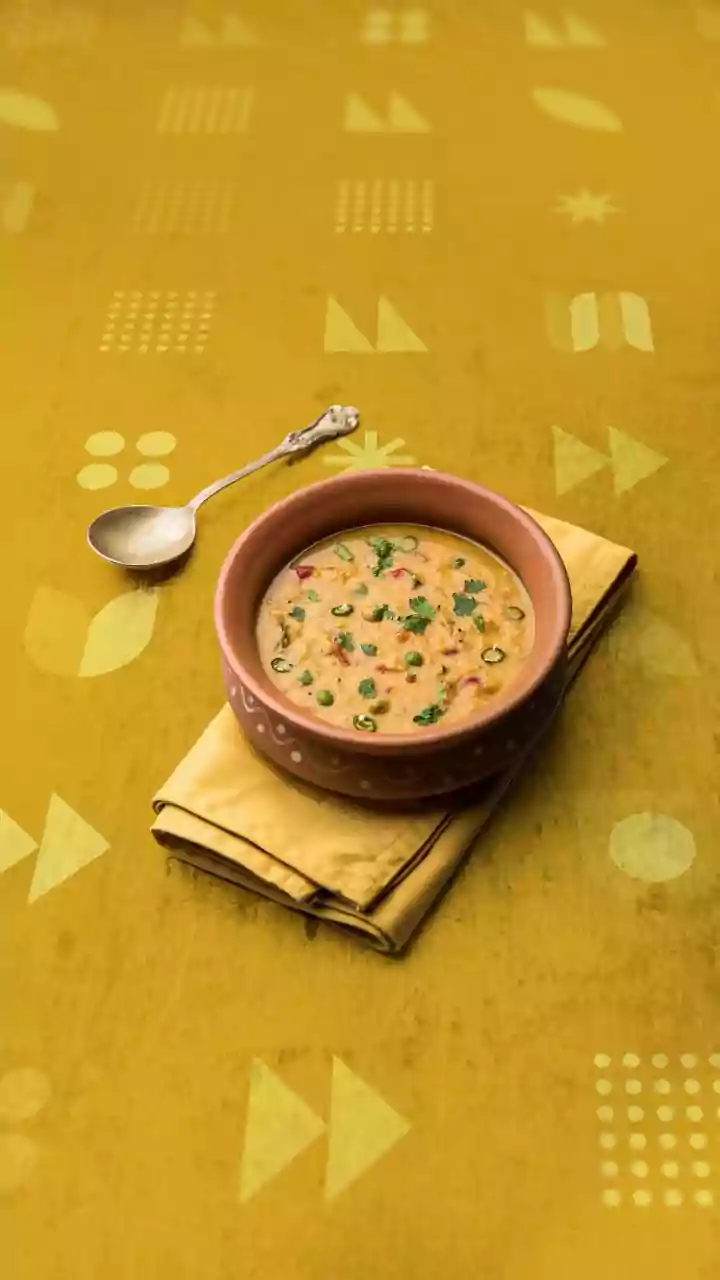
So what does this look like on the grocery shelf? It’s far more integrated than a sad-looking protein bar next to the checkout counter. Think atta (whole wheat flour), the base for rotis and chapatis, now fortified with lentils and millet for higher protein. Think instant oatmeal infused with ashwagandha, an adaptogen known for its stress-reducing properties. You’ll find ghee (clarified butter) blended with brahmi for cognitive function and turmeric-infused milk mixes that offer a convenient take on 'haldi doodh,' a traditional immunity-boosting drink. Startups are launching everything from millet-based pasta to juices packed with amla (Indian gooseberry), which has one of the highest concentrations of Vitamin C found in nature. The goal isn’t to create a separate category of 'health food' but to embed wellness into the very fabric of the daily diet.
A Perfect Storm for Wellness
This trend didn't appear in a vacuum. It’s the result of a perfect storm of social and economic shifts. First, India's burgeoning middle class has more disposable income and is increasingly willing to pay a premium for products that promise better health. Second, the COVID-19 pandemic dramatically accelerated public consciousness around immunity and preventative wellness, shifting the focus from cure to prevention. Third, the Indian government has been actively promoting indigenous 'superfoods' like millets, even successfully petitioning the UN to declare 2023 the 'International Year of Millets.' This has created a groundswell of interest and a favorable market for food producers. Finally, a vibrant startup ecosystem, fueled by venture capital, is rapidly innovating to meet this new demand with slick branding and science-backed claims.
Tradition Meets Technology
What makes India's functional food boom particularly fascinating is this marriage of ancient tradition and modern food science. It’s a powerful combination. For consumers, it validates age-old home remedies with the stamp of scientific approval and modern convenience. A working professional might not have time to grind fresh turmeric root, but they can easily add a scoop of a branded, quality-controlled turmeric blend to their morning smoothie. This approach cleverly navigates a cultural tightrope: it honors tradition while catering to the aspirations of a modern, globalized India. Brands that can successfully tell this story—of authenticity, wellness, and convenience—are winning the hearts, minds, and wallets of millions of Indian consumers.