



The River That Is a Destination
Forget frantic itineraries and crowded landmarks. For a growing number of discerning American travelers, the new pinnacle of adventure lies on the sweeping, majestic Brahmaputra River in Assam, a state in Northeast India. This isn't just a trip; it's
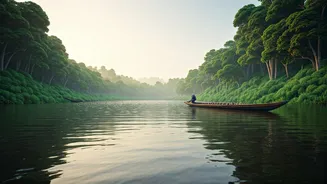
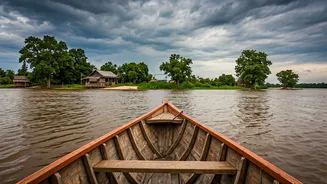
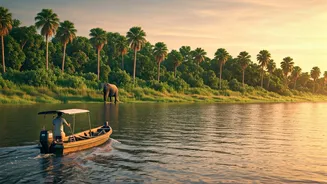
an immersion. A multi-day river safari here is a masterclass in slow travel, a journey where the waterway itself is the main event. Known as the 'son of Brahma,' this immense river carves through the landscape, creating sandbars, wetlands, and the world’s largest river island. Cruising its powerful currents offers a perspective that’s impossible from land. You're not just visiting a region; you’re flowing through its very lifeblood, witnessing daily life unfold along its banks, from fishermen casting nets to children waving from small villages.
Kaziranga from the Water's Edge
The main draw for any nature lover in Assam is Kaziranga National Park, a UNESCO World Heritage site and a global conservation success story. While traditional jeep safaris take you into the park's grasslands, a river safari provides a completely different and, some argue, more serene vantage point. From the deck of a boat, you can watch the park's inhabitants come to the water's edge. Kaziranga is home to the world’s largest population of the Indian one-horned rhinoceros, and seeing these prehistoric-looking giants grazing peacefully is a truly humbling experience. The park also hosts a high density of tigers, though they remain elusive. More commonly spotted are herds of wild elephants, Asiatic water buffalo, and swamp deer. For birders, it’s paradise, with hundreds of species, including eagles, hornbills, and migratory waterfowl, creating a constant, vibrant spectacle.
Majuli: A Living Cultural Island
The journey is as much about culture as it is about nature. The Brahmaputra cradles Majuli, the world’s largest inhabited river island and the heart of Assamese neo-Vaishnavite culture. Stepping onto Majuli is like stepping into a different era. The island is dotted with 'Sattras'—monasteries and centers for art and learning that have preserved unique traditions for over 500 years. Visitors can witness mesmerizing masked dance performances, see artisans craft intricate masks from bamboo and clay, and interact with monks living a life of quiet devotion. The island's existence is a fragile one, constantly shaped and threatened by the river's erosion, which makes a visit here feel all the more poignant. It’s a living museum, a testament to spiritual resilience in the face of nature’s power.
In Search of the Elusive River Dolphin
One of the most magical moments on a Brahmaputra safari is the quest for the endangered Gangetic river dolphin. These functionally blind mammals navigate the murky river water using sophisticated echolocation, and spotting their sleek, silver-gray bodies arcing briefly above the surface is a rare privilege. Unlike their marine counterparts, they are solitary and shy, making every sighting a thrill. The search requires patience and quiet observation, forcing you to sync with the river’s rhythm. It’s a powerful reminder of the delicate ecosystems thriving within the Brahmaputra and the importance of preserving them. This quiet hunt becomes a highlight for many, a moment of pure, unscripted connection with the wild.
Why This Is the Ultimate Eco-Adventure
An Assam river safari combines wildlife, culture, and tranquility in a way few other trips can. It appeals directly to the post-pandemic desire for meaningful, uncrowded, and sustainable travel. Onboard a comfortable vessel, you are disconnected from the clamor of the modern world but deeply connected to the environment around you. Days are spent observing, reading, and watching the landscape evolve. Evenings are for stargazing from an open deck, listening to the sounds of the jungle. It’s an experience that values depth over breadth, offering a profound sense of place that lingers long after you’ve returned home. This isn’t about ticking off sights; it’s about absorbing a world whole.