

The Craving When the Clouds Break
For hundreds of millions, the monsoon isn't just a weather pattern; it's a season with its own culture, mood, and, most importantly, its own menu. After months of searing heat, the cool, rain-swept air brings a collective sigh of relief and a shared desire
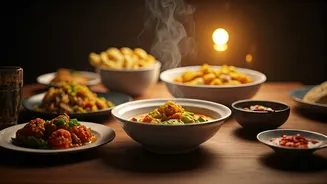
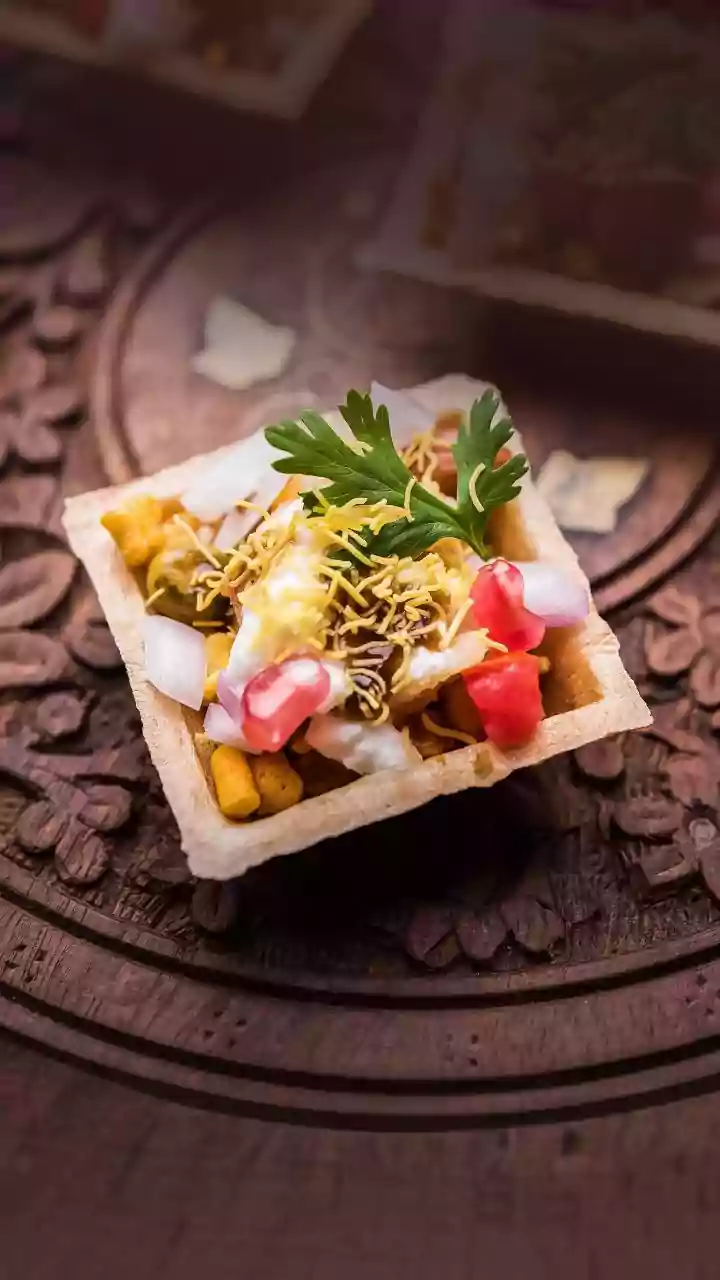
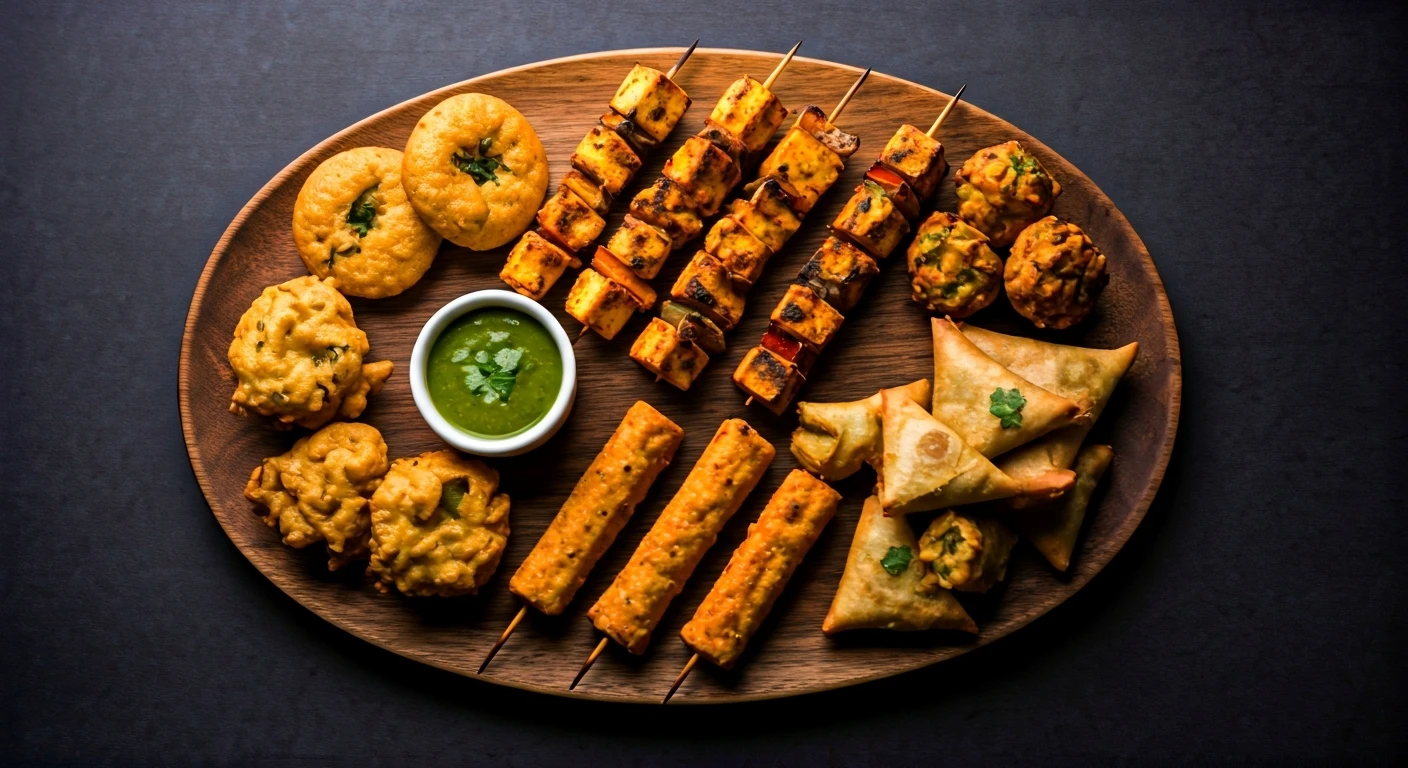
for specific foods. It’s a feeling that transcends simple hunger. This isn’t the time for a light salad; it’s the time for *pakoras* (vegetables dipped in chickpea batter and deep-fried), steaming samosas with tangy chutney, and roasted corn on the cob (*bhutta*) slathered with lime and spices. These aren't random cravings. They are deeply ingrained culinary traditions tied to the sensory experience of the rain. The sound of a downpour is mirrored by the sizzle of oil in a pan. The cool, damp air makes a steaming cup of spiced *masala chai* feel less like a drink and more like a hug in a mug. These foods are communal, often enjoyed with family and friends while watching the rain from a dry veranda, transforming a simple snack into a cherished ritual. This is the essence of monsoon dining: finding warmth, comfort, and connection when the world outside is gray and wet.
From Street Food to Chef's Table
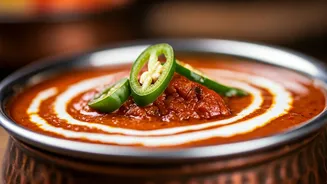
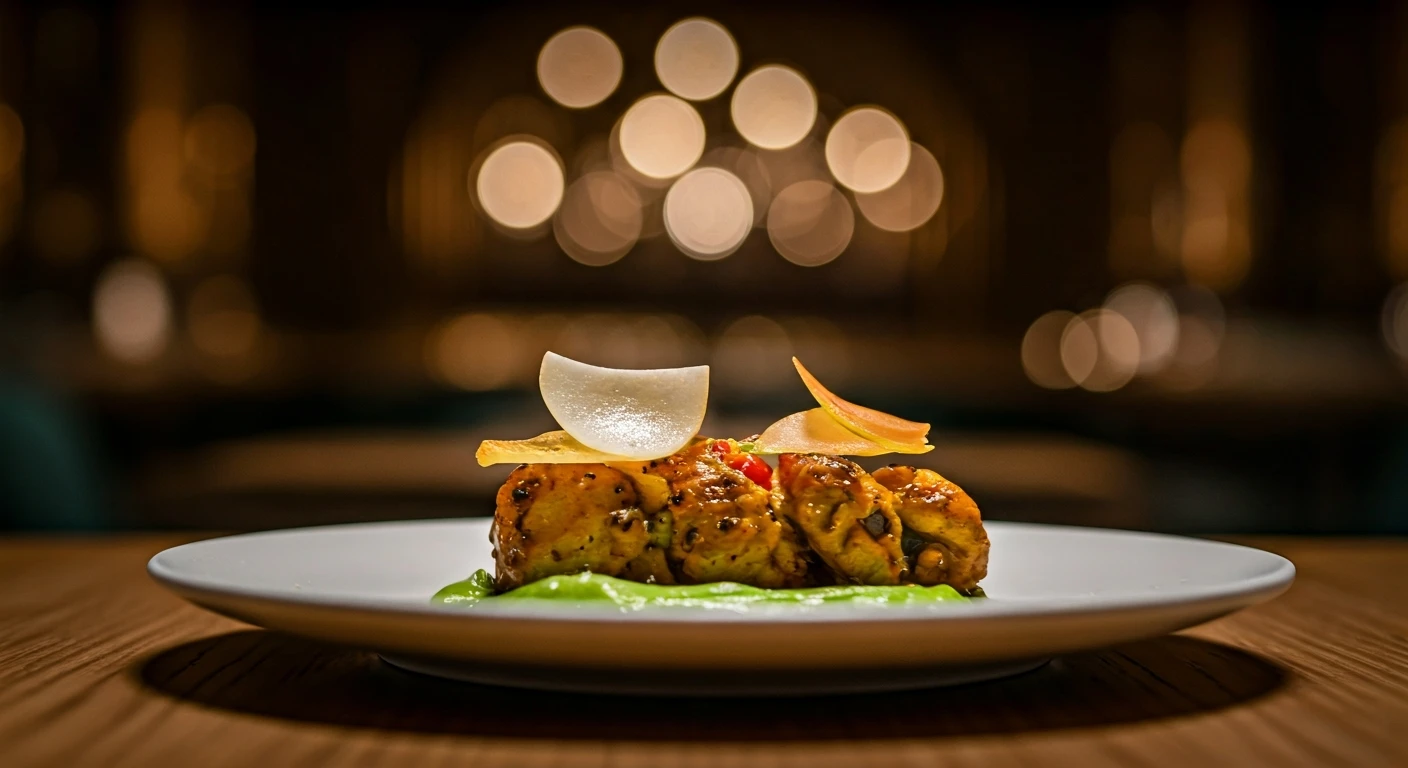
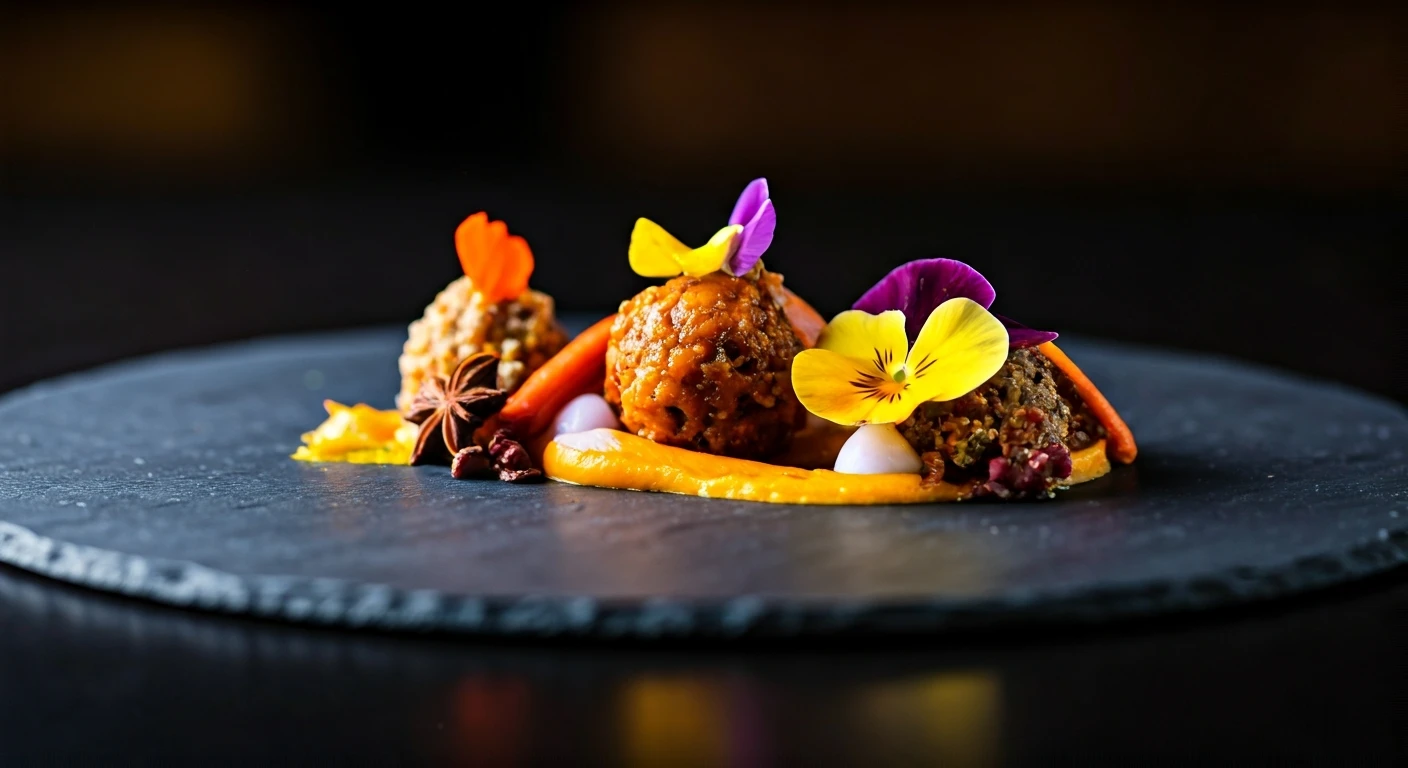
What was once the domain of street vendors and home kitchens has now become a major culinary trend for restaurants. Across India and in South Asian diaspora communities in the U.S., chefs are tapping into this powerful sentiment by creating specialized “monsoon menus.” These aren’t about reinventing the wheel. In fact, their power lies in the exact opposite: they are unapologetically nostalgic. The menus are a greatest-hits compilation of rainy-day comfort. You'll find elevated versions of classic fritters, gourmet platters pairing different types of pakoras with artisanal chutneys, and creative twists on Maggi noodles—the instant ramen that is a beloved late-night snack for generations. Some establishments even create entire tea-pairing experiences, matching robust Darjeelings or Assams with savory bites. By curating these dishes, restaurants aren't just selling food; they are selling a feeling. They’re offering a taste of childhood, a reminder of home, and a manufactured sense of cosiness that feels both authentic and luxurious.
The Irresistible Pull of Nostalgia
The success of these nostalgic menus isn't just about good marketing; it's rooted in psychology. Food is one of the most powerful conduits for memory. The taste and smell of a particular dish can transport us back to a specific time and place, evoking feelings of safety, love, and belonging. This phenomenon, sometimes called the “Proustian effect,” is especially potent when linked to seasonal or weather-related events. Rainy weather often encourages introspection and a desire to retreat inward, both literally and emotionally. Comfort foods, which are typically warm, rich, and calorie-dense, trigger the release of feel-good chemicals in our brains. When those foods are also tied to positive childhood memories—like a grandparent making pakoras during a storm—the effect is compounded. It’s a form of self-soothing. The world might be stormy and uncertain, but this plate of hot, crispy goodness is a reliable, tangible source of joy. It’s a simple pleasure that anchors us to the past and makes the present feel more manageable.
America's Own Rainy-Day Rituals
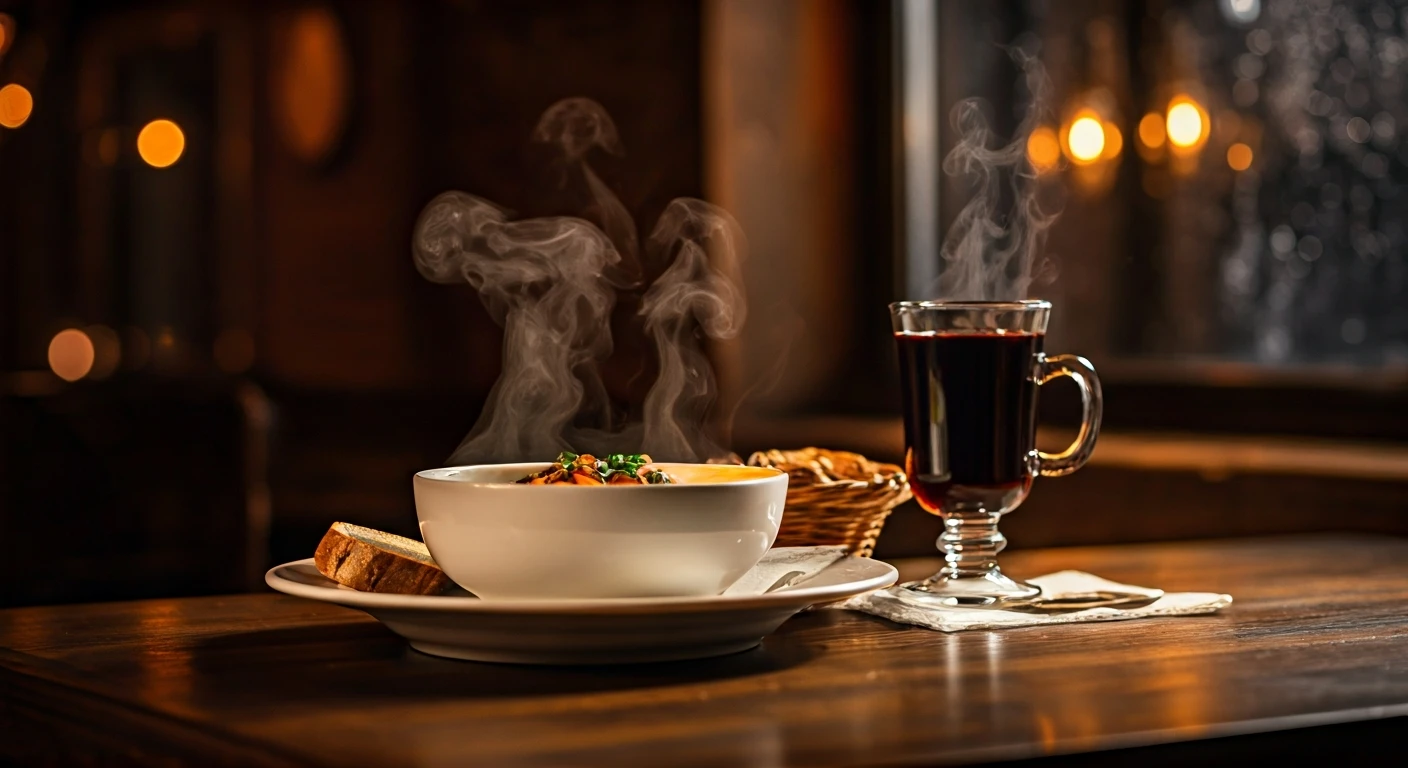
While the specific dishes may be different, this impulse is universal. Americans have their own set of unwritten rules for what to eat when the weather turns. A snowy day practically demands a bowl of rich chili, a hearty beef stew, or a gooey grilled cheese dunked in creamy tomato soup. A gloomy, rainy Sunday is the perfect excuse for a marathon baking session, filling the house with the scent of chocolate chip cookies or banana bread. These food traditions serve the same purpose as a monsoon menu. They are about creating an atmosphere of warmth and security in the face of inclement weather. They connect us to our own histories and family traditions. Whether it’s a pakora in Mumbai or a pot roast in Minneapolis, the underlying principle is the same: food is our most reliable tool for making a house feel like a home, especially when the skies open up. It’s a delicious reminder that no matter where you are, a little bit of comfort is just a recipe away.