

An Unprecedented Culinary Boom
For American diners accustomed to the churn of restaurants in cities like New York or Los Angeles, the scene in Mumbai might still feel astonishingly supercharged. What was once a steady rhythm of openings has become a full-blown explosion. This isn't
just a handful of new hotspots; it's a relentless wave of culinary ambition remaking the city’s social fabric. Industry experts point to a perfect storm of factors: a release of pent-up demand following years of pandemic restrictions, a surge of investor confidence in the hospitality sector, and a population eager to spend on experiences. The result is a dining landscape where a restaurant can feel like a classic one month and be old news the next, as three more buzzworthy venues open just down the street.
The New Geography of Taste
For decades, Mumbai’s fine-dining map was concentrated in the tony enclaves of South Mumbai and the established five-star hotels. Today, that map is being aggressively redrawn. The epicenter of cool has decisively shifted to the western suburbs, particularly the contiguous neighborhoods of Bandra, Khar, and Santacruz. These areas, already known for their creative energy and celebrity residents, are now saturated with innovative restaurants, stylish cafes, and hidden-gem bars. But the expansion doesn't stop there. Formerly quiet residential areas and once-industrial commercial districts are now seeing destination-worthy restaurants pop up, encouraging diners to travel across the notoriously traffic-clogged city for a meal and proving that good food is no longer confined to a few elite postcodes.
Global Glamour Meets Hyper-Regional Roots
The sheer diversity of the new openings is a key driver of the city’s dining FOMO. On one hand, global culinary powerhouses are planting their flags in Mumbai at an unprecedented rate. Renowned international brands, from Milan’s Paper Moon to Dubai’s Nōema, are launching lavish outposts, catering to a clientele with global tastes and expense accounts to match. Yet, running parallel to this is a powerful, and perhaps more interesting, counter-trend: the rise of modern regional Indian cuisine. Chefs are digging deep into the country’s vast culinary heritage, creating sophisticated dining experiences around formerly unheralded regional cuisines. Restaurants celebrating the specific flavors of Nagaland, Bihar, or the coastal Malvani region are now some of the city’s most sought-after tables, offering a taste of authentic India in a polished, contemporary setting.
Fueled by a New Generation
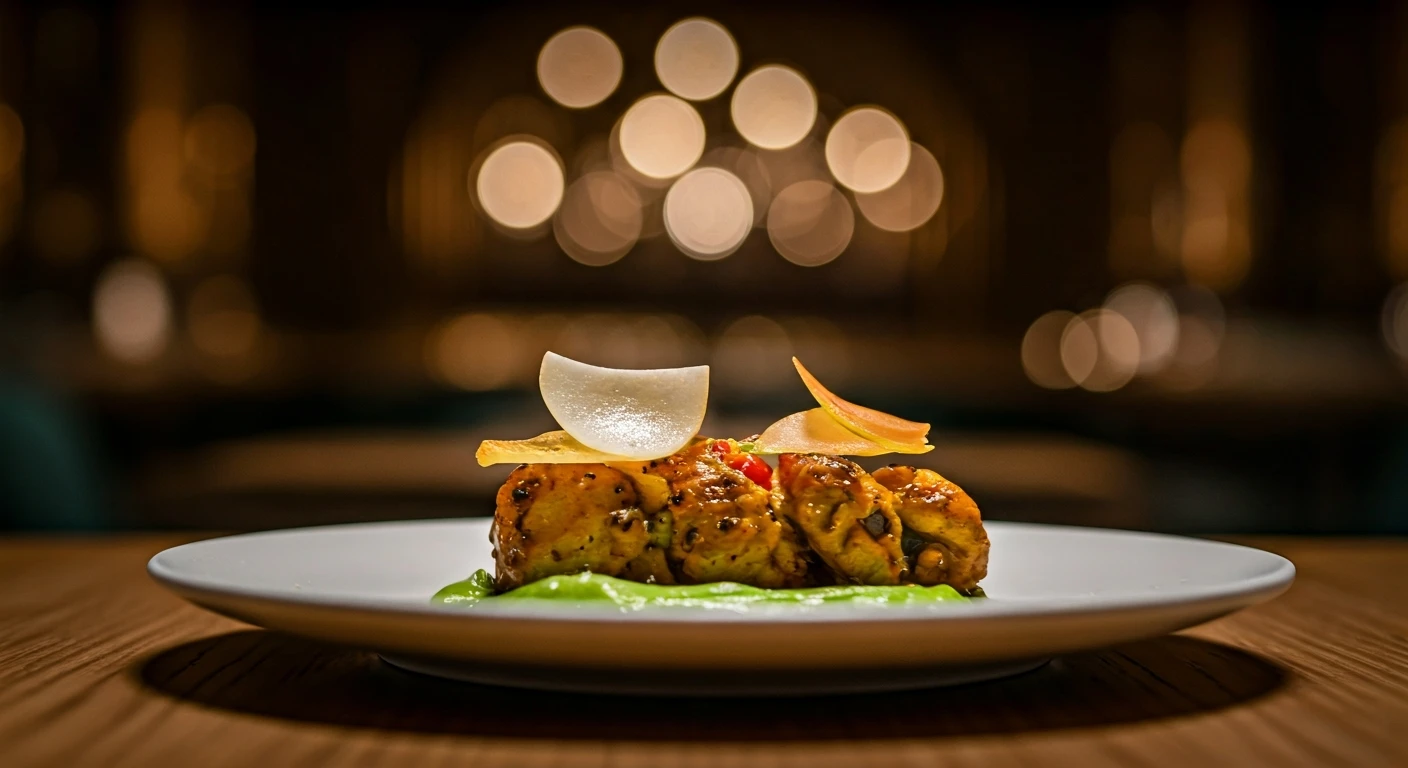
At the heart of this phenomenon is a new generation of Indian diners. Young, globally aware, and with more disposable income than their parents, this demographic sees dining out as a primary form of entertainment and self-expression. For them, a meal is not just about sustenance; it's a cultural event to be documented and shared. Social media platforms, particularly Instagram, have become the ultimate arbiters of what’s hot. A restaurant's success can hinge on its ‘grammability’—from the aesthetic of the decor to the visual appeal of the food. This creates a self-perpetuating cycle: the more people post about a new place, the more others feel the urgent need to experience it themselves, amplifying the city-wide sense of FOMO.
The Exhausting Pace of Excellence
While this culinary dynamism is exhilarating for diners, it creates immense pressure on those behind the scenes. Chefs and restaurateurs are locked in a frantic race to innovate, with the constant threat of being overshadowed by the next big opening. The shelf-life for a ‘new’ restaurant is shrinking, and the cost of failure is high. For patrons, the endless choice can be both a blessing and a burden. Keeping up with the scene requires a significant investment of time and money, leading to a kind of delightful exhaustion. You could, in theory, eat at a different, notable new restaurant in Mumbai every night for months and still not cover them all—a testament to a city that is defining its future one spectacular meal at a time.