
1. Grounded in Earthy Palettes
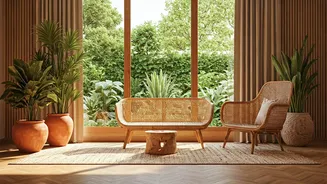
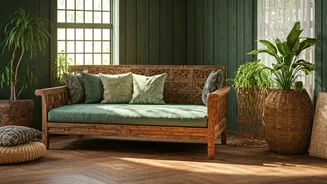
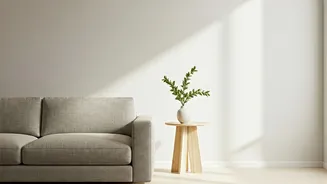
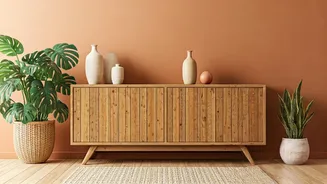
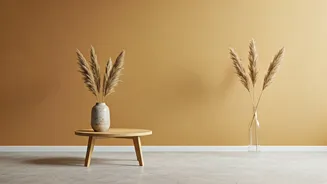
Forget sterile whites and cool grays. The foundation of this trend is a color scheme pulled directly from the Indian landscape. Think of the rich, warm tones of terracotta clay, the deep ochre of spice markets, dusty beige reminiscent of arid plains,
and countless shades of green, from soft sage to lush forest. These colors create an immediate sense of calm and rootedness. In a country experiencing rapid urbanization, these palettes serve as a psychological anchor, a visual respite from the concrete and steel of city life. They wrap a room in warmth, making it feel like a sanctuary rather than just a living space. It’s a deliberate move away from fleeting, artificial trends toward something timeless and elemental.
2. A Deep Love for Natural Materials
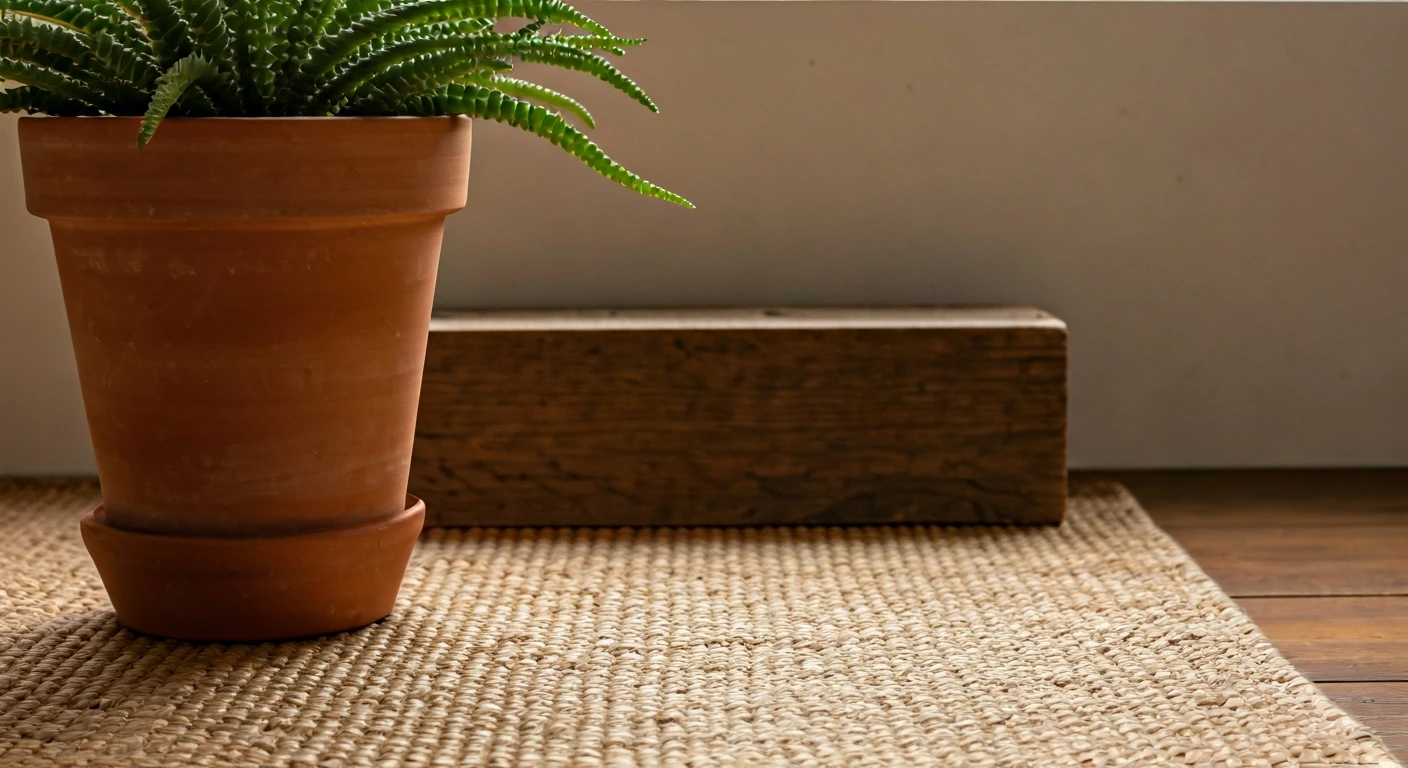
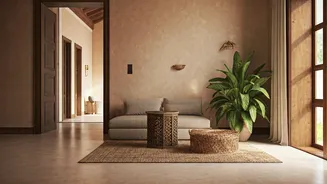
This isn't just about a token wooden coffee table. In India, the trend involves a full-throated celebration of organic and sustainable materials. Rattan, cane, and bamboo are woven into furniture, lighting fixtures, and decorative screens, adding texture and a light, airy feel. Jute and coir, traditionally used for humble rugs and ropes, are elevated into chic, durable floor coverings. Local woods like teak and sheesham, known for their strength and beautiful grain, are favored for statement furniture pieces. This embrace of natural materials is twofold: it’s a nod to sustainability and a rejection of mass-produced synthetics, but it's also a way to bring the imperfect, tactile beauty of the outdoors inside. Each knot in the wood and weave in the rattan tells a story.
3. More Than Just a Fiddle-Leaf Fig
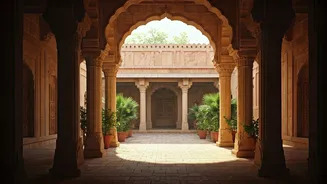
While houseplants are certainly part of the equation, the Indian approach to greenery is often more integrated and architectural. It’s less about decorating with plants and more about designing with nature. You’ll see homes designed around central courtyards (known as *aangans*), creating a private, green oasis that helps with natural ventilation and light. Interior water features, from small fountains to reflection pools, add a cooling effect and soothing ambient sound. Balconies and terraces are transformed into dense, layered gardens. The goal isn't just to have a plant in a pot; it's to create a mini-ecosystem that blurs the line between indoors and out, fostering a genuine connection to the living world.
4. Celebrating the Artisan's Hand
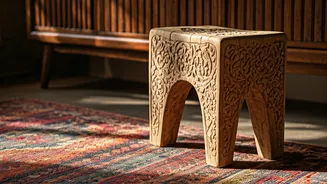
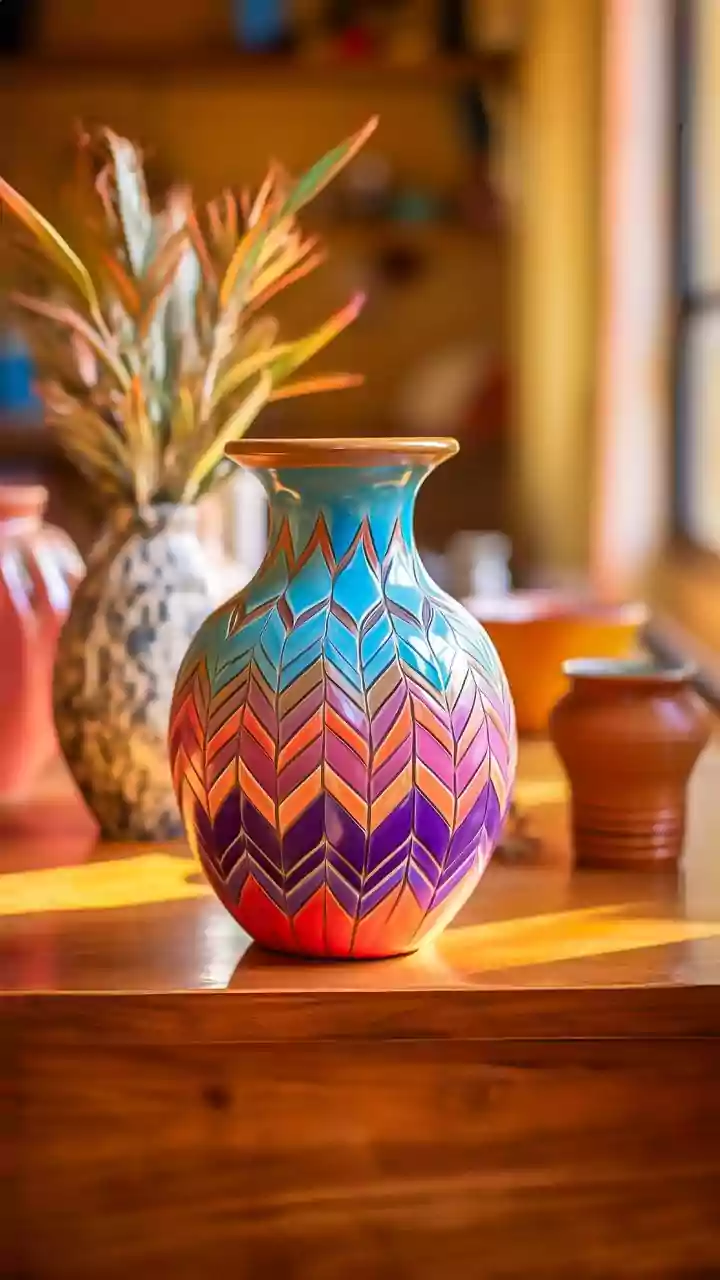
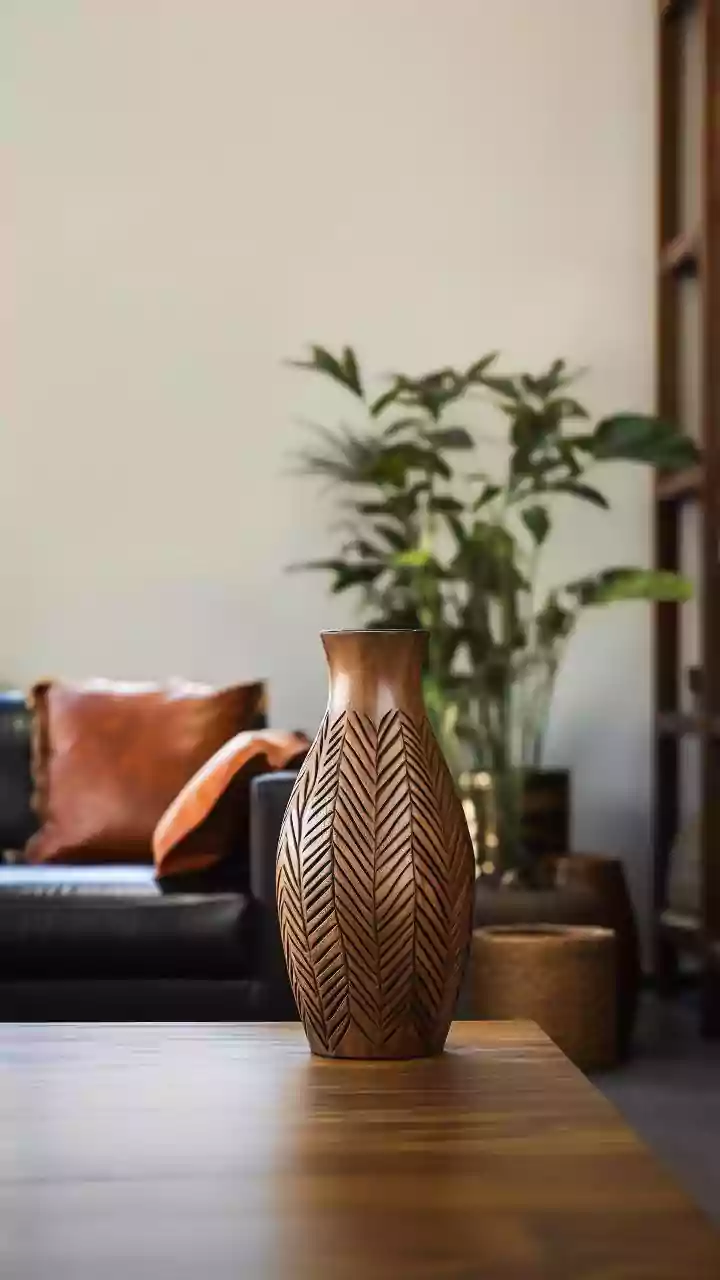
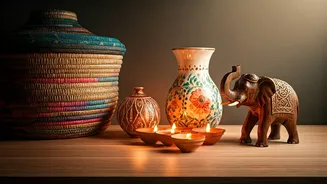
What truly sets this trend apart is its deep connection to India's rich heritage of craftsmanship. Instead of factory-made decor, there's a strong preference for items that show the touch of a human hand. This includes hand-block printed textiles from Rajasthan, intricate hand-woven fabrics, and rustic, unglazed pottery. These artisanal elements add a layer of soul and history to a space. Choosing a hand-carved cabinet or a hand-dyed cushion is not just a style choice; it’s an act of preserving cultural traditions and supporting local artisan communities. For the homeowner, it means owning something unique and story-rich, a direct counterpoint to the impersonal nature of global mass production.
5. Reviving Architectural Wisdom
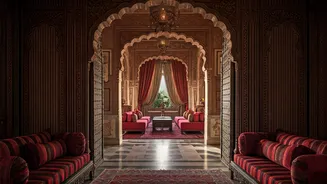
Many modern Indian homes are looking to the past for smart, sustainable design solutions. One key element making a comeback is the *jali*, an ornamental latticed screen typically made of wood or stone. Historically used to provide privacy and shade while allowing air to circulate, the jali creates mesmerizing patterns of light and shadow that shift throughout the day. It’s a beautiful and functional way to engage with the environment. Similarly, the concept of the internal courtyard helps create natural 'air conditioning' in a hot climate. By incorporating these time-tested architectural features, designers are creating homes that are not only beautiful but also inherently more comfortable and energy-efficient.