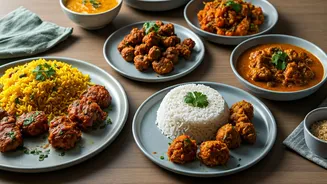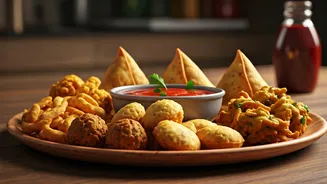

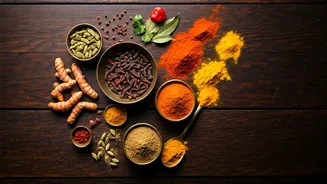
First, A Flavor Explosion Called ‘Chatpata’
Before we get to the ‘comfort plate,’ let's talk about ‘chatpata.’ It’s a Hindi and Urdu word that’s more of a feeling than a single flavor. If you tried to bottle it, you’d need a complex recipe of tangy, spicy, sweet, and savory notes all vying for your
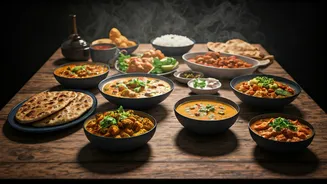
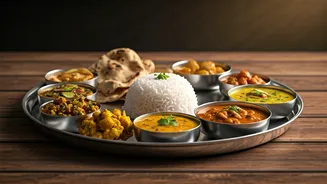
attention at once. Think of the explosive burst from pani puri, the zesty kick of a good chaat masala, or the satisfying tang of tamarind chutney. Chatpata doesn’t whisper; it sings. It’s the kind of flavor profile that makes your mouth water and your eyes widen. For generations, it has been the soul of South Asian street food, a quick, affordable, and exhilarating antidote to monotony. Now, that same electric sensation is finding a new home: on a hearty, comforting plate that feels both familiar and thrillingly new.
The Modern Comfort Food Remix
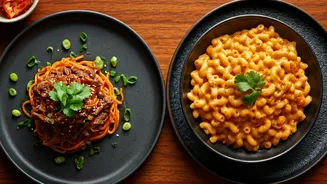
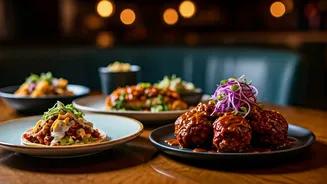
So what happens when chatpata energy collides with the concept of American comfort food? You get a culinary movement that’s taking over menus and kitchens across the country. This isn’t about traditionalism; it’s about remixing. We’re talking about loaded fries buried under a rich butter chicken sauce, sprinkled with crispy onions and cilantro. Imagine a classic smash burger, but the patty is seasoned with kebab spices and topped with mint-yogurt chutney instead of ketchup. Or consider a deconstructed samosa bowl, with all the spiced potato filling, peas, and crispy pastry bits served over rice or quinoa, ready to be drenched in tamarind and date sauce. These dishes take the universally understood grammar of comfort—carbs, cheese, savory protein—and translate it into a vibrant, new dialect. It’s the culinary equivalent of a brilliant cover song that honors the original while creating something fresh.
Engineered for the Algorithm
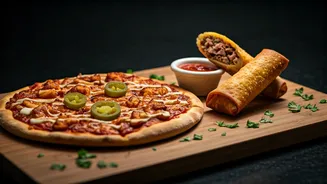
Here’s where the “Built for Food Reels” part comes into play. These plates are undeniably, gloriously photogenic. The visual appeal isn't a happy accident; it's central to the experience. The process of making and eating chatpata comfort food is a spectacle. There’s the dramatic drizzle of multiple chutneys—the deep brown of tamarind, the vibrant green of mint-cilantro, the stark white of yogurt. There’s the satisfying crunch of sev (crispy chickpea flour noodles) being showered over the top. There’s the cheese pull from a masala-spiced grilled cheese or a paneer-topped pizza. Every step is an action, a transformation. Food creators on Instagram and TikTok have recognized that these dishes deliver a powerful visual narrative in under 30 seconds. The layering, the textures, and the vibrant, contrasting colors are perfectly optimized for a vertical screen and a short attention span. They don’t just look good; they look *alive*.
More Than Just a Pretty Plate
While the visuals draw you in, the staying power of this trend lies in something much deeper. For many chefs and home cooks, particularly in the South Asian diaspora, these dishes are a form of self-expression. They represent a playful, confident negotiation of identity—a way to celebrate their heritage on their own terms. It’s a delicious declaration that their culture isn't a museum piece to be preserved under glass, but a living, breathing thing that can interact with and reinterpret the world around it. For diners unfamiliar with these flavors, the comforting format—fries, tacos, sandwiches—serves as a welcoming gateway. It lowers the barrier to entry, making bold and complex flavors feel accessible and fun. You might come for the butter chicken poutine because you love poutine, but you stay because you’ve just discovered the magic of makhani sauce. This isn’t fusion for fusion’s sake; it’s a conversation between cultures, served hot on a plate.