
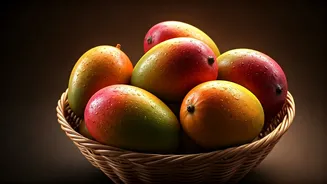
Welcome to Mango Mania
In the United States, we have seasonal affections for things like pumpkin spice or fresh summer berries. In India, the devotion to the mango is on an entirely different level. It’s a national obsession, a cultural touchstone, and the undisputed “king
of fruits.” When the blistering heat of a North Indian summer arrives, it brings with it a singular consolation: mango season. For generations, this has meant the arrival of beloved classics—the sweet, saffron-hued Alphonso; the perfumed, fiberless Dasheri; the uniquely tangy Langra. Families have their favorites, and debates over which region’s mango reigns supreme are a passionate, perennial pastime. The fruit appears in everything from tangy pickles (achar) and cooling yogurt drinks (lassi) to elaborate desserts and spicy curries. This festival, however, is about more than just celebrating the classics. It’s about witnessing an evolution.
The Old Guard Meets the New Hybrids
At the heart of Delhi's bustling new mango festival is a fascinating collision of tradition and science. On one side, you have farmers who have cultivated the same heirloom varieties for centuries, their techniques passed down through generations. On the other, you have agricultural scientists and pioneering growers who are pushing the boundaries of what a mango can be. These new “hybrid” mangoes aren't genetically modified organisms created in a sterile lab. Rather, they are the product of careful, patient cross-pollination—the same technique nature has used forever, just guided by a human hand. An orchardist might cross a famously sweet but fibrous mango with one that is less sweet but wonderfully smooth, hoping to create an offspring that combines the best traits of both parents. The goal is to create new varieties that are not only delicious but also more disease-resistant, have a longer shelf life, or can grow in different climates.
A Rainbow of Tastes and Textures
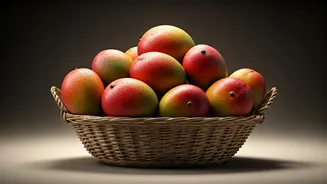
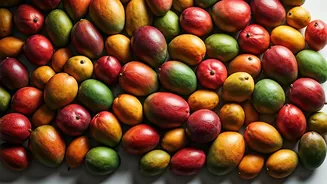
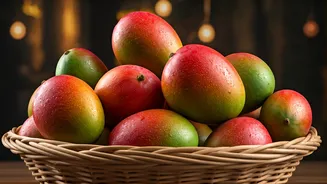
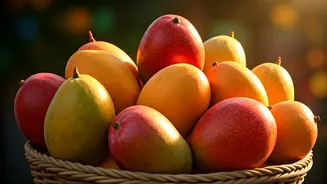
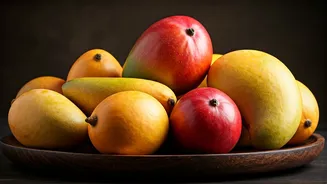
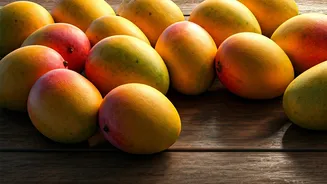
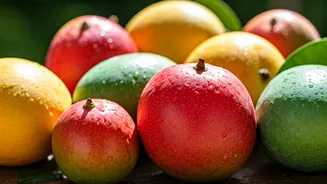
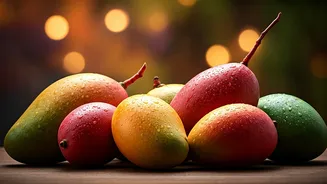
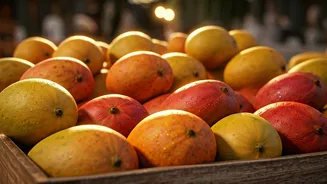
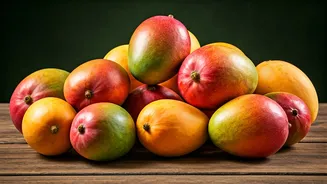
Walking through the festival stalls is a journey for the senses. The familiar shapes and colors of traditional mangoes sit alongside a dazzling array of newcomers. You might see the ‘Pusa Arunima,’ a variety known for its brilliant red peel and long shelf life, or the ‘Amrapali,’ a hybrid of the Dasheri and Neelam varieties, which is intensely sweet and perfect for high-density planting. Growers proudly display their creations, often named after family members or given evocative titles. One stall might offer the ‘Sita,’ a small, round mango with notes of coconut and a creamy, buttery flesh. Another might feature a yet-unnamed experimental variety, inviting visitors to be among the first to taste a fruit with a surprising hint of pineapple or a deep, wine-like richness. The tastings are a revelation. A single bite can challenge everything you thought a mango was supposed to taste like—less stringy, more complex, with a finish that lingers on the palate.
More Than Just a Fruit Stand
The festival is a full-blown carnival centered around a single fruit. The air hums with the chatter of excited families, curious foodies, and proud farmers. Beyond the tasting tables, vendors sell an astonishing variety of mango-centric products. You can cool off with a freshly churned scoop of mango kulfi (a dense, creamy Indian ice cream), sip on a rich and tangy mango lassi, or try a plate of savory mango chaat, a street-food snack that combines chunks of tart, unripe mango with spices, chutneys, and crispy bits. There are competitions for the biggest mango, cooking demonstrations showing how to incorporate mangoes into every course of a meal, and folk music performances that add to the joyous atmosphere. It's a vibrant spectacle that showcases not just the fruit itself, but the deep-rooted love and ingenuity that surrounds it.