



The Himalayan Antidote to Crowds
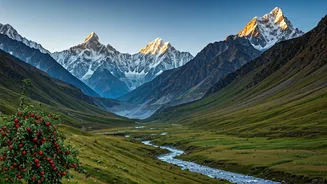
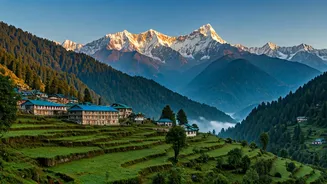
Imagine a mountain town where the loudest sound is the rushing river, not a traffic jam. That’s Harsil. Tucked away in the Garhwal region of Uttarakhand, about 160 miles north of the well-known yoga hub Rishikesh, this hamlet sits at an elevation of around
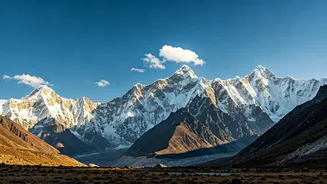
8,500 feet on the banks of the Bhagirathi River. For American travelers seeking a deeper, more authentic Himalayan experience, Harsil is what you’ve been looking for before you even knew to look. Unlike its bustling, commercialized cousins like Shimla or Manali, Harsil has managed to retain a sleepy, untouched charm. It’s a place built on a different rhythm, one dictated by seasons and sunlight, not tourist itineraries. This is its core appeal and the very reason it’s popping up on the radar of discerning travelers. It represents a pivot back to what mountain travel used to be about: immersion in nature, genuine cultural encounters, and profound tranquility.
A Valley of Apples and Legends
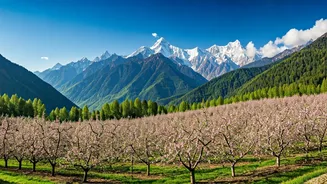
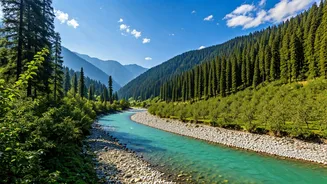
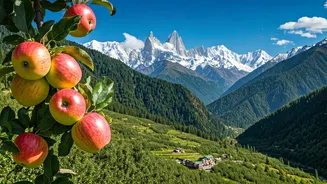
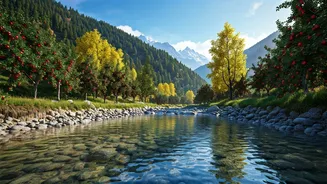
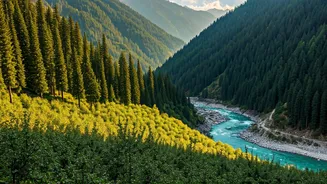
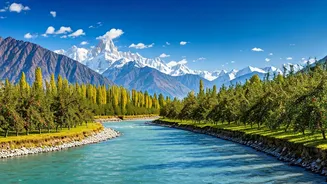
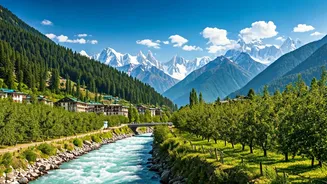
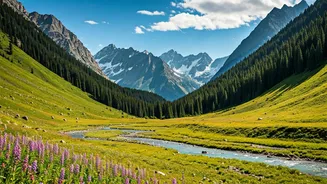
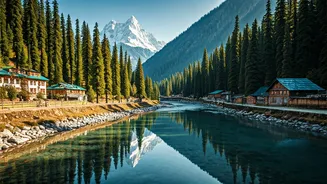
Harsil’s landscape is defined by two things: the crystal-clear, fast-flowing river and the sprawling apple orchards that climb the valley walls. The story of its apples is a piece of local lore worth knowing. In the mid-19th century, a British army deserter named Frederick “Pahari” Wilson settled here, married a local woman, and introduced apples to the region. Today, “Wilson Apples” are famous across India, and the orchards he planted have become the economic and aesthetic backbone of the village. Strolling through these groves, especially during the blossom season in spring or the harvest in autumn, is a sensory delight. The air is thick with the sweet scent of fruit and pine from the surrounding deodar cedar forests, some of the densest in the Himalayas. This isn't a manicured, theme-park version of nature; it’s a working agricultural landscape that exists in stunning harmony with the wild peaks looming above.
Gateway to Adventure and Spirit
While Harsil is a perfect spot to do absolutely nothing, it’s also a strategic base for exploration. For trekkers, it’s the starting point for several breathtaking trails, including the one to Sat Tal, a group of seven high-altitude lakes hidden in the mountains. The trails are less crowded, offering solitude and unobstructed views of snow-capped peaks. More significantly, Harsil is a crucial stop on the Char Dham Yatra, a sacred Hindu pilgrimage circuit. It lies just 15 miles from Gangotri, the revered source of the Ganges River and home to a major temple. Many pilgrims acclimatize in Harsil before making the final journey. For a unique cultural experience, a short walk takes you to Mukhba, the “winter home” of the idol of the goddess Ganga. When the Gangotri temple closes for the harsh winter, the deity is brought down to Mukhba in a ceremonial procession, making this tiny village its spiritual heart for six months of the year.
Embracing the Rhythm of Slow Travel
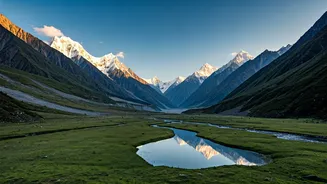
Visiting Harsil requires a mental shift. There are no malls, no multiplexes, and no chain restaurants. The accommodation consists of cozy guesthouses and simple homestays, not sprawling luxury resorts. Entertainment is watching the evening light paint the mountains gold, chatting with a friendly shopkeeper over a cup of chai, or simply sitting by the river and letting the landscape work its magic. This is the essence of slow travel. It’s a destination that rewards curiosity and patience. You won’t find a checklist of “Top 10 Sights” to tick off. Instead, your reward is a deeper connection to a place, its people, and its environment. In a world that’s constantly accelerating, Harsil is a powerful reminder of the value of slowing down, looking up, and breathing in the clean mountain air. It’s a quiet escape, but its impact on the soul is profound.