



The Journey Is Half the Adventure
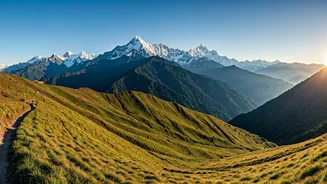
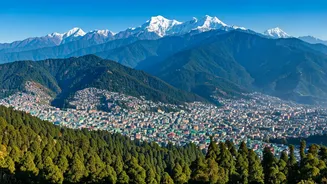
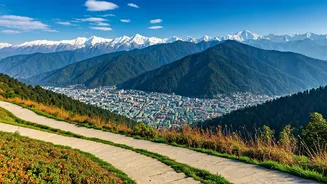
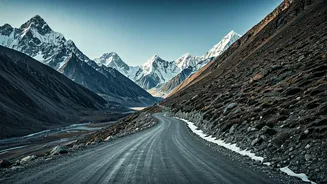
You can’t just decide to pop over to Tsomgo Lake. Located about 25 miles from Gangtok, the capital of India’s Sikkim state, the drive alone takes two to three hours. But this isn't a tedious commute; it's a breathtaking ascent that forms a crucial part
of the experience. The road, part of the historic Silk Route, zig-zags dramatically, revealing stunning new vistas at every hairpin turn. You’ll pass military checkpoints, tiny hamlets clinging to the mountainside, and waterfalls that appear out of the clouds. This slow, winding climb builds anticipation, making your first glimpse of the lake feel like a genuine discovery. For American travelers, this journey into a restricted border region offers a rare peek into a landscape that feels both ancient and politically charged, as it’s the main artery to the Nathu La Pass at the Chinese border.
A Glacial Lake Steeped in Legend
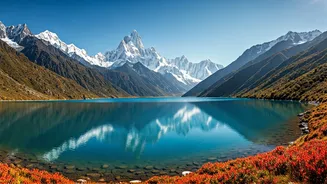
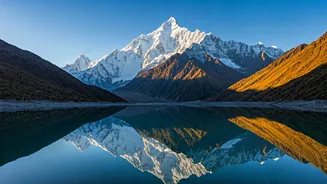
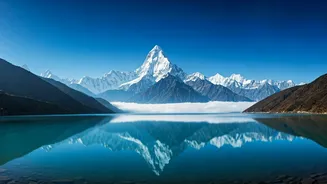
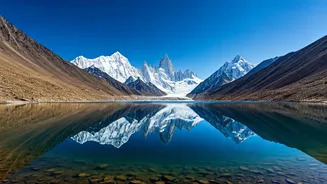
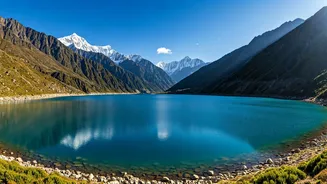
At an altitude of 12,313 feet, Tsomgo Lake (also known as Changu Lake) is a stunning body of glacial water cupped by rugged, snow-dusted peaks. Its name translates to “source of the lake” in the Bhutia language, and it’s considered sacred by both Buddhists and Hindus. Local faith healers, known as Jhakris, were said to study the lake’s color to predict the future. A dark, murky hue signaled a troubled year ahead, while a clear, placid surface promised prosperity. This spiritual significance lends the area a serene, contemplative atmosphere that goes beyond its visual beauty. Walking along its perimeter, you’re not just a tourist taking photos; you're a visitor in a holy place, a feeling amplified by the prayer flags that flutter in the crisp mountain wind.
A Destination for All Seasons
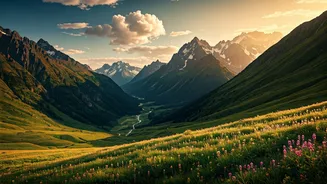
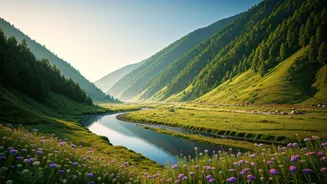
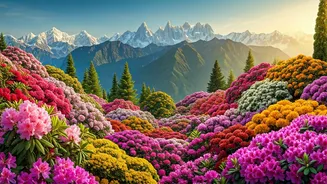
Tsomgo’s character changes dramatically with the seasons, making it a compelling visit year-round. From January to mid-May, the lake is a solid sheet of ice, and the surrounding landscape is a stark, beautiful expanse of white. This is the time for those who want to experience the raw, frozen beauty of the high Himalayas. Come spring, from April to May, the snow melts and the hillsides erupt in a riot of color with blooming rhododendrons and other alpine flowers. Summer and autumn (June to October) offer the clearest views, with the lake reflecting a deep, brilliant blue sky. The weather is milder, making it the most popular time for visitors. Deciding when to go depends entirely on the experience you’re seeking: a winter wonderland or a vibrant alpine meadow.
More Than Just a View
While the lake itself is the main attraction, there are a few simple, charming activities to round out your visit. The most popular is a ride on a colorfully decorated yak. These gentle, shaggy beasts plod patiently along the lakeshore, offering a unique and photogenic way to take in the scenery. For a different perspective, a cable car (ropeway) system climbs a nearby ridge, providing breathtaking panoramic views of the lake and the surrounding Himalayan peaks. You’ll also find a small cluster of stalls selling hot tea, instant noodles, and souvenirs—a welcome comfort in the chilly, high-altitude air. These small touches transform a simple sightseeing stop into a memorable high-altitude excursion.
Know Before You Go
Visiting Tsomgo Lake requires some planning, especially for foreign nationals. Because it’s in a protected area near the border with China, all visitors need a Protected Area Permit (PAP). These cannot be obtained independently; they must be arranged through a registered tour operator in Gangtok, who will also provide the necessary vehicle and driver. You’ll need photocopies of your passport, Indian visa, and a passport-sized photo. It’s best to arrange this at least a day in advance. The high altitude can also cause dizziness or shortness of breath, so it’s wise to acclimatize in Gangtok for a day or two before making the trip. Dress in warm layers, regardless of the season, as the weather can change in an instant.