
The Off-Season Is the New On-Season
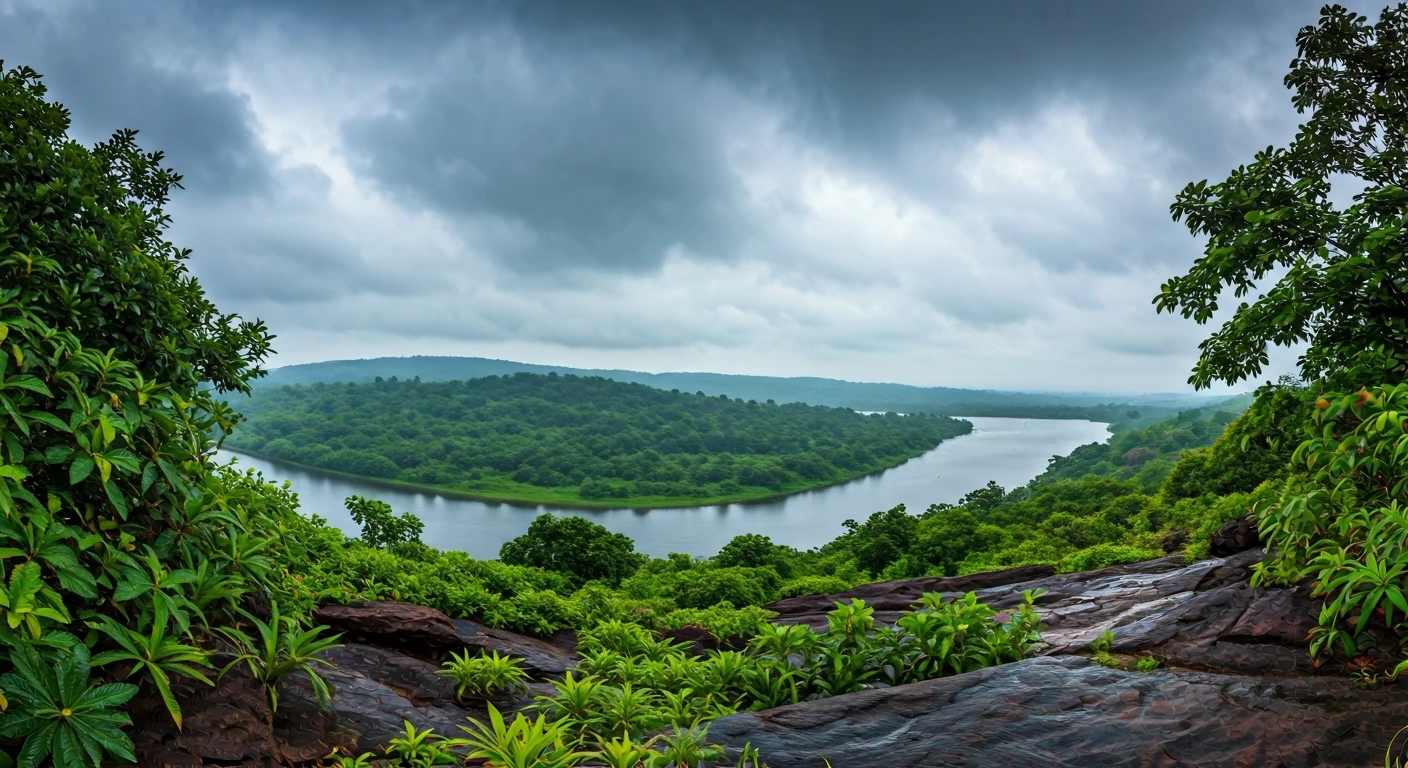
Imagine a landscape transformed. Hillsides that were dusty and brown a month ago are now carpeted in an almost impossibly vibrant green. The air, thick with humidity and the smell of wet earth, carries a distant, steady roar. This is the monsoon—a season
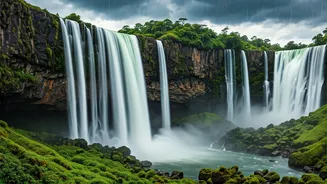
typically associated with flooding, disrupted schedules, and hunkering down indoors. In the American travel psyche, it’s the definition of an off-season to be avoided. Yet, a fundamental shift is underway, driven not by a desire to tolerate the rain, but to celebrate its most spectacular creation: waterfalls. What was once a quiet period for tourism is becoming the main event. Travelers, armed with rain jackets and waterproof camera bags, are flocking to regions where the seasonal downpours awaken hundreds, even thousands, of waterfalls. These aren’t the year-round, placid trickles you might find on a sunny day hike. These are ephemeral giants, powerful cascades that exist for only a few months, turning entire mountain ranges into a thundering, misty spectacle.
Ground Zero: India’s Western Ghats
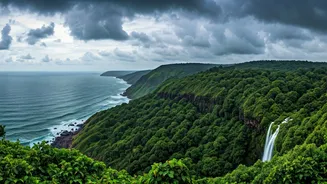
While this trend is visible in several parts of Southeast Asia, its epicenter is arguably India's Western Ghats. This UNESCO World Heritage mountain range, running parallel to the country’s west coast through states like Maharashtra, Goa, and Karnataka, is a perfect storm of topography and meteorology. When the summer monsoon rolls in from the Arabian Sea, it hits these mountains and unleashes torrential rain. The result is a region that comes alive with water. For generations, this was simply a fact of life. But in the last decade, a domestic tourism boom has reframed it as a must-see event. Cities like Mumbai and Pune empty out on weekends as residents drive a few hours to hill stations like Lonavala or Mahabaleshwar, not for the quaint colonial-era towns, but for the waterfalls that line the highways and trekking routes. It’s a complete reversal of traditional travel wisdom, where the “bad” weather is precisely the point.
Chasing Waterfalls, Literally
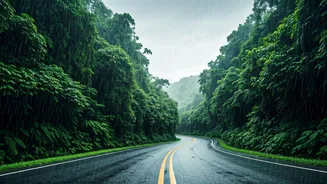
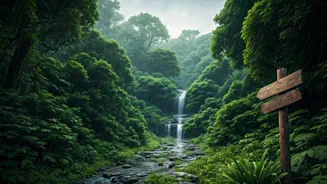
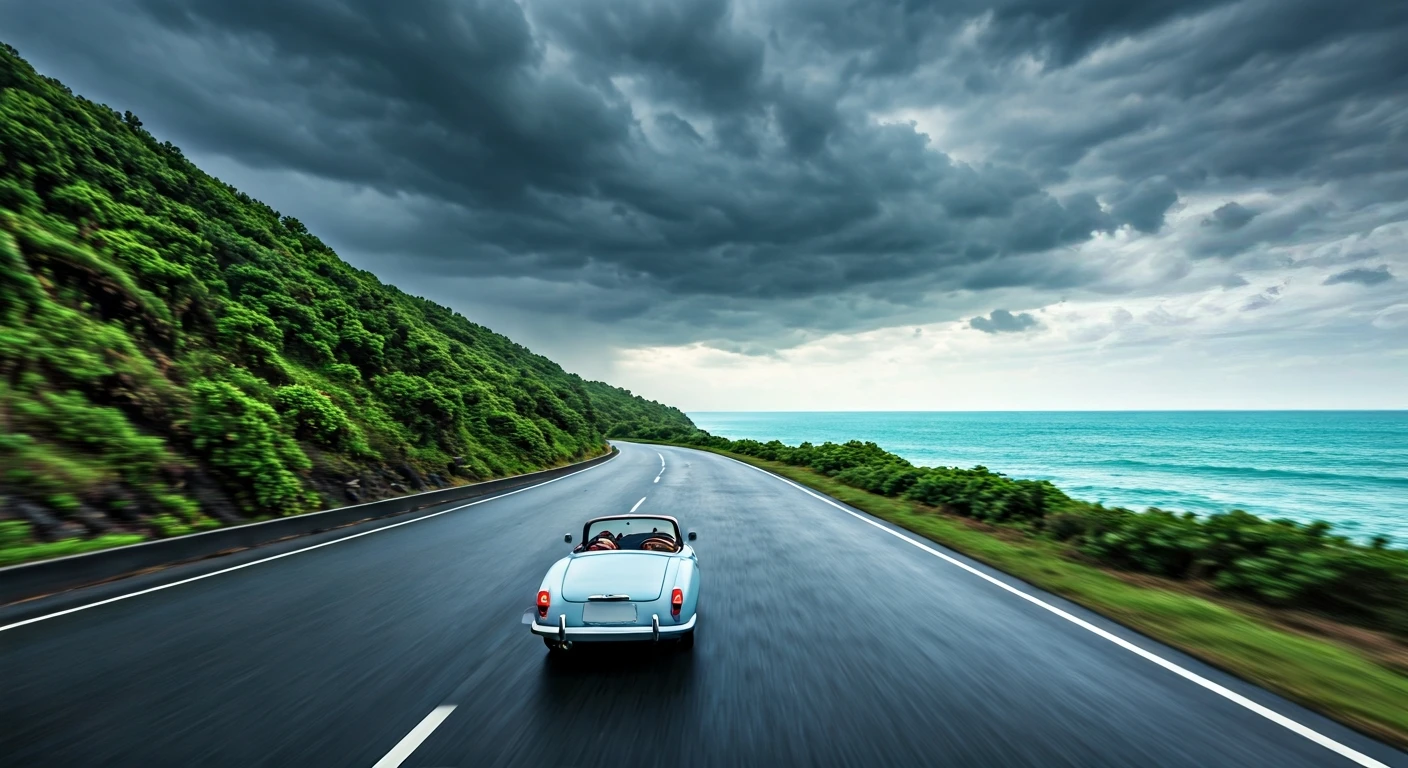
The experience is immersive and sensory. It’s not about finding a single, famous waterfall, but about being surrounded by them. A drive along a mountain road might reveal dozens of unnamed cascades pouring over cliffs. Some are wispy veils of mist, while others are furious torrents crashing into the valleys below. The goal isn't just to see them but to feel them—to get drenched in the spray, to hear the deafening roar, and to witness the raw power of nature unleashed. Icons of this seasonal spectacle include Goa’s Dudhsagar Falls, which translates to “Sea of Milk.” During the monsoon, this multi-tiered giant becomes so voluminous and powerful that it truly resembles an ocean pouring through the jungle. Further north, in Maharashtra, the Thoseghar Waterfalls are a collection of cascades, some over 1,600 feet high, that only flow during the rainy season. Visiting them feels less like tourism and more like a pilgrimage to a temporary natural wonder.
From Local Secret to Instagram Hit
So what changed? A huge part of the story is visual. The rise of social media, particularly Instagram, has given this phenomenon a global stage. The dramatic contrast of dark, stormy skies, vibrant green foliage, and white, churning water is incredibly photogenic. A local weekend getaway trend has transformed into a bucket-list-worthy travel goal, amplified by millions of posts and reels showcasing the stunning, almost otherworldly beauty of a landscape at its peak vitality. This shift has also had a significant economic impact. Regions that once saw tourism revenue dry up between June and September now have a second peak season. Small tea stalls, local guides, and roadside hotels thrive on the influx of “waterfall chasers.” It’s a powerful lesson in how a destination can turn a perceived liability into its greatest asset, simply by changing the story it tells about itself.