

First, A Quick Refresher on Fasting
Before we talk food, let's clarify what we mean by fasting. While the practice has ancient roots, its modern popularity is largely centered on 'intermittent fasting' (IF). This isn't a diet in the traditional sense, but an eating pattern. The most common
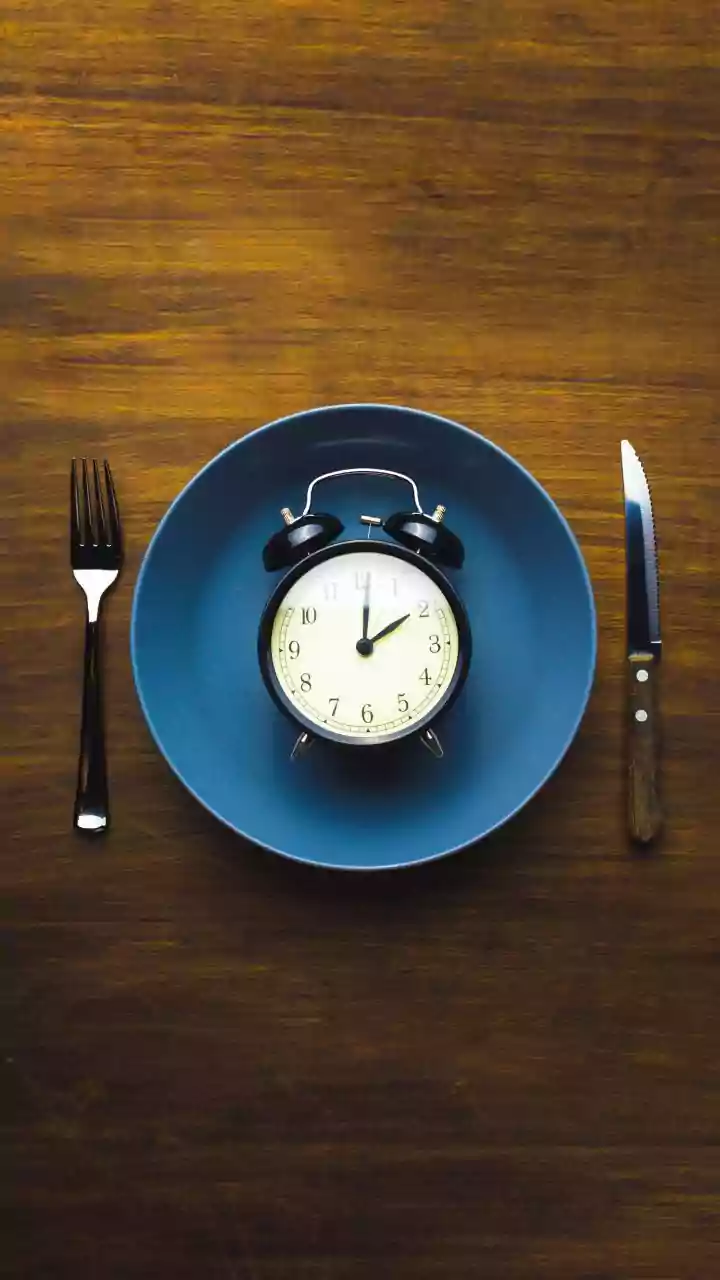
method is the 16:8, where you fast for 16 hours a day (much of it while you sleep) and eat all your meals within an 8-hour window. Other versions include the 5:2 method (eating normally for five days and restricting calories for two) or alternate-day fasting. For the purpose of 'fasting-friendly meals,' we're mostly focused on what to eat during your designated eating window in a time-restricted schedule like 16:8. The goal is to maximize the benefits of your fast by fueling your body with the right nutrients.
The 'Fasting-Friendly' Philosophy
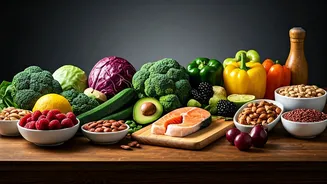
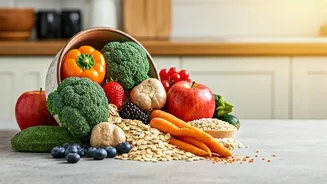
A 'fasting-friendly' meal isn't a specific cuisine; it's a nutritional approach. After a period of fasting, your body is more sensitive to the foods you introduce. The wrong meal—one that’s high in refined sugar, processed carbs, and unhealthy fats—can lead to a dramatic blood sugar spike, subsequent crash, and intense cravings, effectively undoing your disciplined effort. The philosophy, then, is to eat meals that are nutrient-dense, promote satiety, and provide stable energy. This means prioritizing three key building blocks: lean protein, healthy fats, and fiber-rich carbohydrates (mostly from vegetables). These components help keep you full, stabilize blood sugar, and replenish your body with the vitamins and minerals it needs, making the next fasting period feel more manageable and less like a struggle.
Your First Meal: Breaking the Fast
The meal that breaks your fast is arguably the most important one of the day. You want to be gentle on your digestive system while providing high-quality fuel. Avoid starting your eating window with a bagel, a sugary pastry, or a bowl of processed cereal. Instead, opt for a balanced combination of protein and healthy fats. Excellent choices include scrambled eggs with avocado and spinach, a smoothie blended with unsweetened protein powder and a handful of berries, or a bowl of full-fat Greek yogurt with chia seeds and a few nuts. These meals provide a slow release of energy, prevent a glucose spike, and signal to your body that it's time to transition smoothly from a fasting state to a fed state.
Building a Satiating Lunch or Dinner
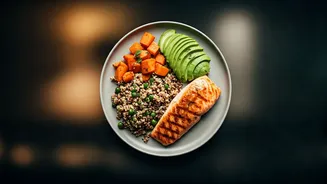
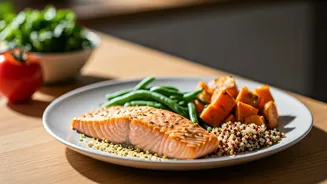
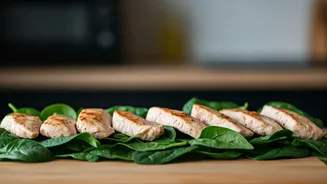
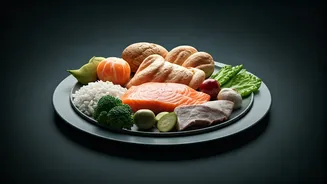
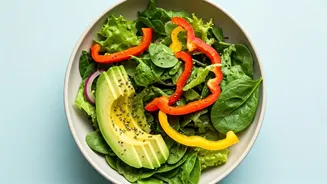
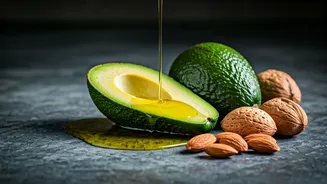
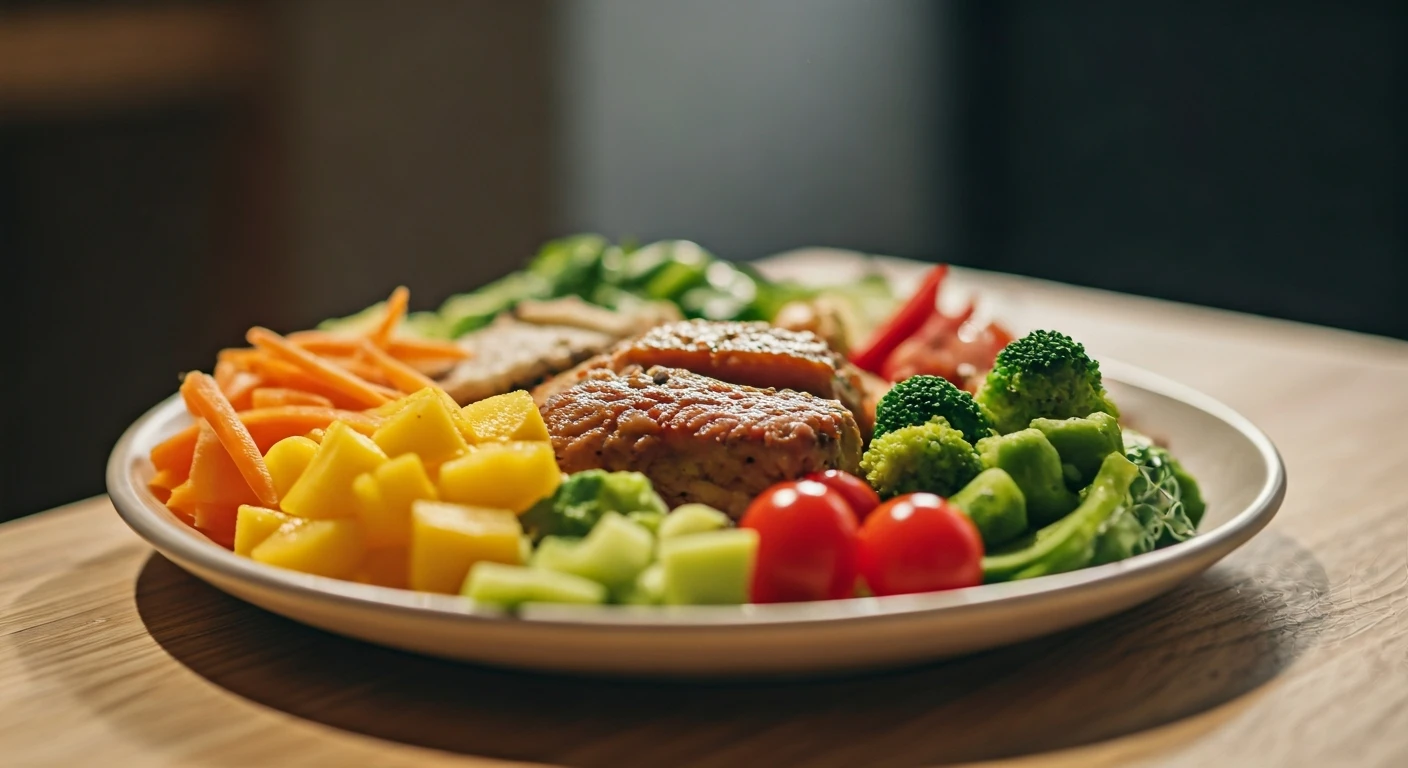
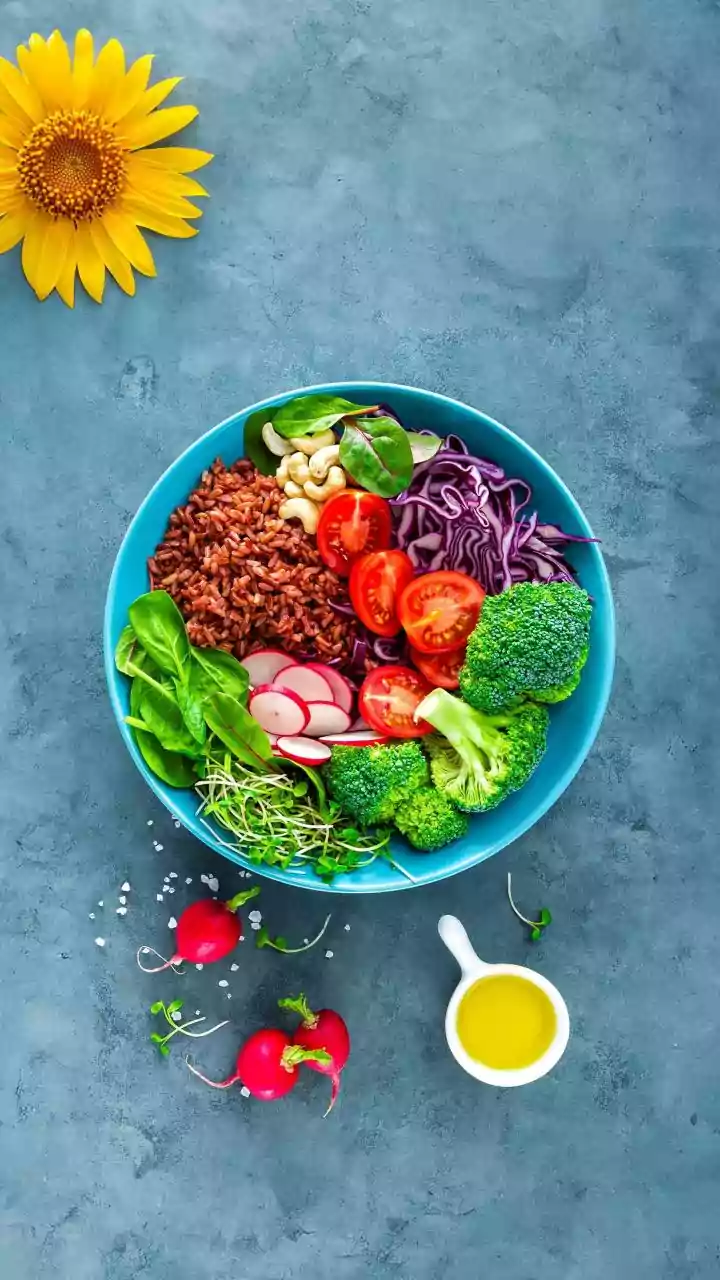
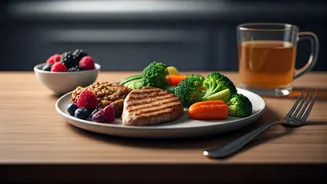
For the other meals within your eating window, the same principles apply: focus on whole, unprocessed foods that will keep you satisfied for hours. A great template is the 'protein, fat, fiber' model. Start with a solid protein source like grilled chicken, baked salmon, or lentils. Add a healthy fat, such as olive oil dressing, a slice of avocado, or a sprinkle of sunflower seeds. Finally, load up your plate with fiber from non-starchy vegetables—think broccoli, leafy greens, bell peppers, or asparagus. A big salad with grilled steak and a vinaigrette, a piece of cod with roasted Brussels sprouts, or a hearty chicken and vegetable stir-fry (using coconut aminos instead of sugary sauces) are all fantastic fasting-friendly options.
What About Snacks and Hydration?
During your fasting window, hydration is key. Water, black coffee, and unsweetened tea are your friends. During your eating window, some people find they don't need to snack at all because their main meals are so satiating. However, if you do get hungry, choose wisely. A handful of almonds, a hard-boiled egg, or some celery sticks with guacamole are all excellent options that won't derail your progress. The key is to listen to your body. Intermittent fasting is meant to make you feel more in tune with your hunger signals, not to create a rigid set of rules that cause stress. If a small, smart snack helps you stick to your overall plan, it's a perfectly acceptable part of a fasting-friendly lifestyle.