





What Is Monsoon Gardening?
In South Asia, monsoon gardening isn’t just about dealing with rain; it's a specific agricultural strategy timed to the annual wet season. After months of dry heat, the monsoon rains arrive from roughly June to September, bringing relief and the perfect
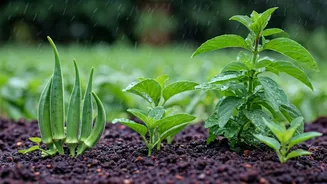
conditions for a specific set of crops. The core principle is simple: work with the water, not against it. Instead of worrying about overwatering, gardeners choose plants that thrive in high humidity, warm temperatures, and moisture-rich soil. This approach favors fast-growing vegetables, leafy greens, and climbing vines that can quickly produce a harvest before the season changes again. It’s a brilliant example of climate-aware cultivation that has been perfected over centuries.
Adapt the Mindset for Your Climate
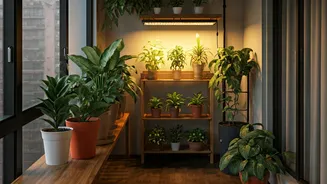
You don’t need to live in Mumbai to apply these principles. The key is to identify your local “monsoon”—the period of most consistent rainfall and humidity. For many in the American South and Southeast, this is the long, humid stretch of summer. For the Midwest, it might be the thunderstorm-heavy weeks of July and August. Instead of seeing this weather as a challenge, view it as an opportunity. The primary practical adaptation is ensuring good drainage. While monsoon plants love water, they hate having their roots sit in stagnant puddles, which leads to rot. Using raised beds, large containers with ample drainage holes, or amending heavy clay soil with compost and sand are all excellent strategies to get the benefits of the rain without the downside.
Start with Fast-Growing Gourds and Vines
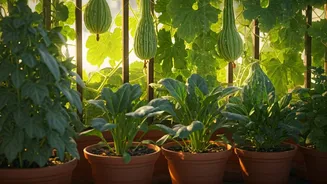
The quintessential monsoon vegetables are gourds. They adore heat, humidity, and moisture, and their vining nature means they can be grown vertically on a trellis, saving precious garden space. Many are also surprisingly easy for beginners. Start with Bottle Gourd (known as lauki or dudhi), a prolific grower with a mild, versatile flavor perfect for soups and curries. Another great choice is Ridge Gourd (tori), which has a texture similar to zucchini. These vines grow incredibly fast in the summer heat, often producing their first gourds within 60-70 days of planting. They provide shade for other plants and create a stunning, lush backdrop for your garden.
Embrace Essential Heat-Loving Vegetables
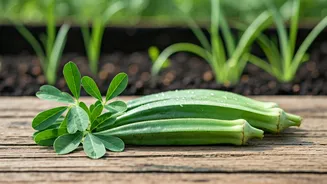
Beyond gourds, a whole category of vegetables comes alive in rainy, warm weather. Okra (bhindi) is perhaps the most iconic. It’s a beautiful plant with hibiscus-like flowers that is virtually unfazed by extreme heat and humidity, producing tender pods all summer long. Similarly, certain varieties of beans flourish in these conditions. Look for Yardlong Beans (also called asparagus beans), which produce remarkable, foot-long pods that are perfect for stir-fries. Many types of chili peppers also hit their stride in the summer heat, with the consistent moisture helping to produce a bountiful crop. These plants are staples of warm-climate cuisines for a reason—they are built for the season.
Don't Forget Resilient Greens and Herbs
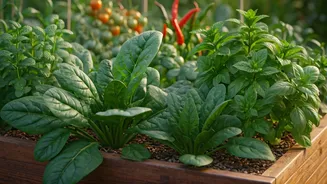
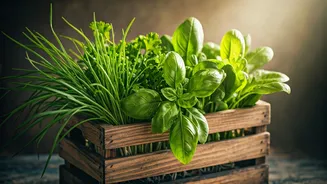
Most gardeners assume that summer heat and rain spell the end for leafy greens. But monsoon gardening offers fantastic alternatives to lettuce and spinach, which tend to bolt or rot. Malabar Spinach is not a true spinach but a vining green that thrives in humidity and can be harvested continuously. Amaranth greens (often sold as cholai or callaloo) are another excellent choice, offering a slightly nutty flavor and vibrant red or green leaves. For herbs, mint is a classic that loves moist soil and will happily spread. Basil also performs wonderfully in warm, humid conditions, providing a steady supply for all your pesto and caprese salad needs.