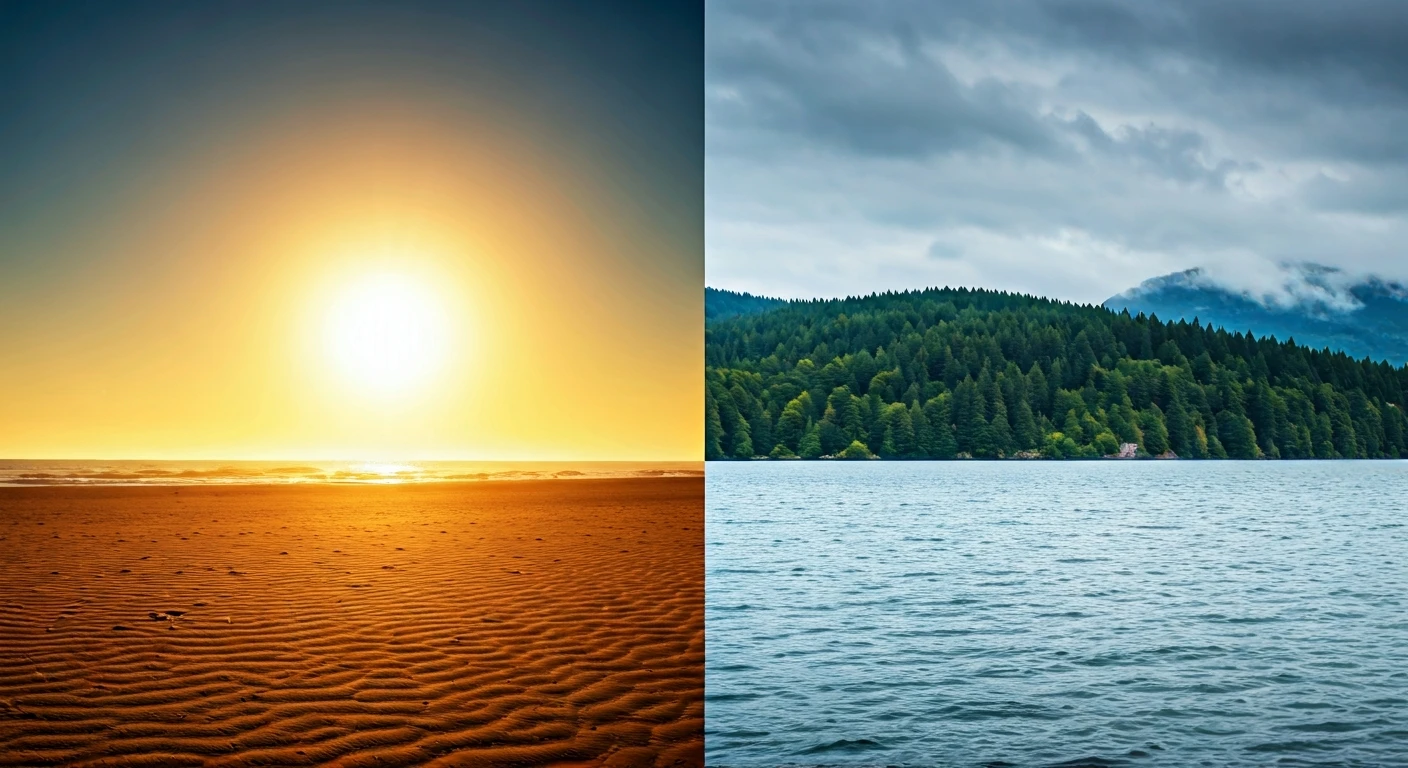


When 'Sun-Kissed' Becomes 'Sun-Scorched'
For decades, the formula for a perfect summer trip was simple: find sun, sand, and sea. Destinations like Italy, Greece, Florida, and Arizona built entire economies around the promise of golden rays. But a string of brutally hot summers is changing that
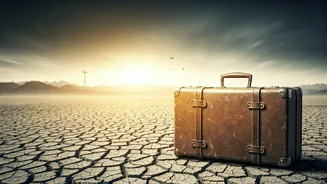
equation. When temperatures in Rome soar past 100 degrees Fahrenheit and the U.S. Sun Belt becomes a convection oven, the dream vacation can quickly turn into a sweltering ordeal. Reports of tourists fainting at ancient ruins and wildfires threatening Greek islands are no longer isolated incidents; they are becoming a predictable feature of the summer travel season. This isn't just about discomfort. Extreme heat poses significant health risks, from heat exhaustion to life-threatening heatstroke, especially for children, the elderly, and anyone with underlying health conditions. The very thing travelers sought—uninterrupted sunshine—has become a liability.
The Rise of the 'Coolcation'
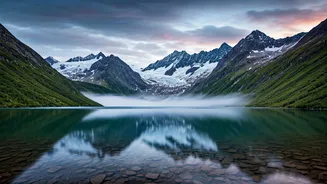
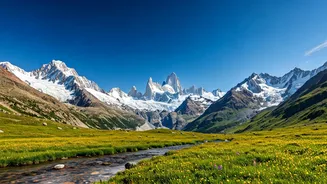
In response, a powerful new trend is taking hold: the “coolcation.” Travelers are increasingly bypassing traditional hotspots in favor of destinations offering relief from the heat. Travel data backs this up. Search interest and bookings for places like Scandinavia, Ireland, Scotland, and Canada have seen significant summer spikes. Within the U.S., destinations once considered shoulder-season getaways are becoming prime summer real estate. Think the Pacific Northwest, the Great Lakes region, and the coasts of Maine and New Hampshire. It’s a deliberate pivot. Instead of typing “beachfront villa in Tuscany” into a search engine, people are looking for “lakeside cabin in Michigan” or “coastal hikes in Oregon.” This shift demonstrates that for a growing number of people, the primary goal of a vacation is no longer to bake in the sun, but to escape the oppressive heat of their own cities and towns.
A New Definition of 'Desirable'
What makes these cooler destinations so appealing isn't just the lower number on the thermometer. It's the entirely different kind of vacation experience they offer. A trip to Denmark or Minnesota in July allows for activities that are simply miserable in hotter climates. You can comfortably hike, bike, kayak, and explore cities on foot all day. The travel experience becomes more active and less centered on seeking refuge in air-conditioned hotel rooms or pools from noon to 5 p.m. This shift also redefines luxury. Instead of infinity pools overlooking a parched landscape, the new luxury is a crisp morning, the ability to wear a light jacket at night, and the simple pleasure of an outdoor meal without breaking a sweat. It's a return to enjoying nature and the outdoors in a way that has become increasingly difficult in many parts ofthe world during peak summer.
From Preference to Necessity
The most crucial aspect of this trend is the evolution from preference to perceived necessity. Choosing a cooler destination is no longer just a quirky alternative; for many, it’s a pragmatic decision rooted in health, safety, and the desire for a genuinely relaxing and restorative break. Planning a family vacation to a place where daytime temperatures are a manageable 75°F instead of a dangerous 105°F is a responsible choice. This is climate adaptation on a personal scale. As extreme weather events become more common, our leisure and travel habits are one of the first and most visible arenas where this adaptation is playing out. It signals a broader public consciousness that our environment is changing in ways that directly impact our quality of life, even during our time off.