



Welcome to the Roof of the World
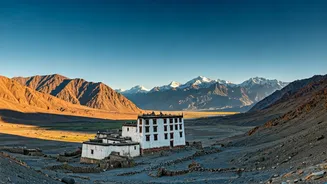
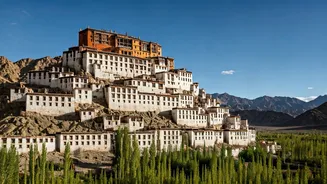
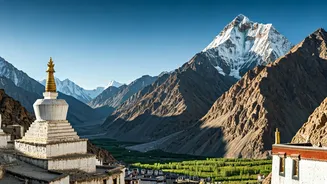
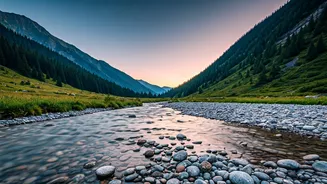
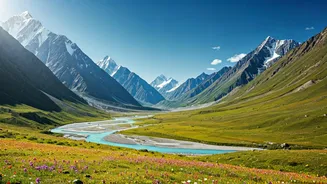
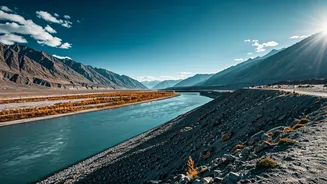
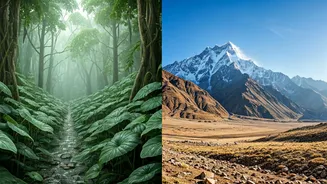
Perched on a high-altitude plateau in northern India, sandwiched between the Karakoram and Himalayan ranges, Ladakh is often called “Little Tibet.” It’s a land of extremes: brutal winters and brilliantly sunny summers, barren moonscapes and pockets of impossible
green. For centuries, this remote geography has preserved a unique and vibrant form of Tibetan Buddhism. Life here is inextricably linked to the spiritual calendar, and no event is more spectacular or profound than the annual Cham dance festivals held at its ancient monasteries.
A Dance of Gods and Demons
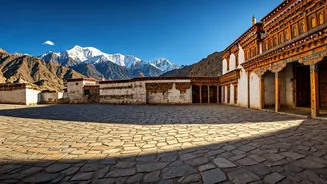
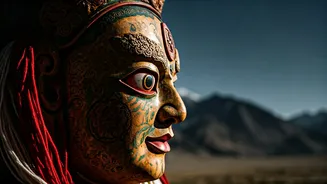
Imagine a monastery courtyard packed with local families in their finest traditional dress and a handful of wide-eyed travelers. Suddenly, a procession of monks emerges, transformed into otherworldly beings. They wear colossal, intricate masks—some serene and beatific, others with terrifying fangs and bulging eyes. Their bodies are draped in heavy, brilliantly colored silk brocades. They don’t walk; they whirl, leap, and stomp in a synchronized, trance-like rhythm, their movements punctuated by the clash of cymbals and the deep beat of drums. This is a Cham dance, a sacred performance that is part meditation, part ritual, and entirely mesmerizing. It’s a visual feast, but its true meaning runs much deeper than mere spectacle.
More Than Just a Mask
Every element of a Cham dance is drenched in symbolism. The masks are not just costumes; they are manifestations of deities, protectors, and even demons. A wrathful-looking figure with a crown of skulls might represent a fierce protector of the Buddhist faith, whose terrifying appearance is meant to vanquish ignorance and ego. A serene, smiling mask could be a bodhisattva, an enlightened being dedicated to helping others. The dancers themselves are not merely performers. Many are monks who have spent weeks in deep meditation to prepare, visualizing themselves as the deities they portray. The dance becomes a channel, a way to bring these divine energies into the physical world.
A Sacred Act, Not a Tourist Show
For the Ladakhi people, attending a Cham festival is an act of devotion. The dances are believed to cleanse the land of evil spirits, bestow spiritual merit upon the audience, and impart important moral lessons from Buddhist teachings. Stories of great saints like Padmasambhava, who is said to have first performed the dances to consecrate the ground for a monastery in Tibet, are acted out in dramatic fashion. The ultimate purpose is to serve as a powerful reminder of the transient nature of life and the battle between good and evil that takes place within our own minds. It’s a performance for the benefit of all sentient beings, not just the human audience. This context is key; visitors are privileged witnesses to a living, breathing spiritual tradition, not consumers of a cultural product.
How to Witness the Spectacle
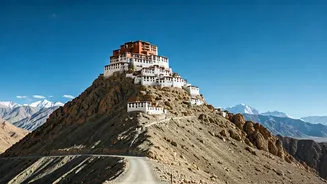
Cham dances are held annually at most of Ladakh’s major monasteries, each according to its own schedule based on the Tibetan lunar calendar. These festivals, or *tsechus*, are major community events. Some of the most famous are held at Hemis, Thiksey, and Phyang monasteries. The Hemis festival, typically held in June or July, is one of the largest and most famous, drawing crowds from all over the world. Planning a trip requires some research to align your visit with a festival date, but the reward is an unparalleled opportunity to step back in time and witness a ritual that has been practiced, largely unchanged, for centuries.