

The Original Coolers
Forget ice cream. When the mercury pushes past 100 degrees in Delhi or Mumbai, the real relief comes from something denser, slower-melting, and steeped in tradition. We're talking about kulfi, the original Indian frozen dessert. Unlike Western ice cream,
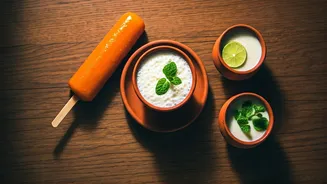
kulfi isn't whipped with air. It’s made by slowly reducing milk, sugar, and flavorings like cardamom, pistachio, or mango until it’s thick and rich. The result is a creamy, almost chewy frozen treat, often served on a stick or sliced into discs. Then there's its street-style cousin: the baraf ka gola, or chuski. This is the Indian answer to a snow cone, but with a personality all its own. A vendor shaves a block of ice into a fluffy mound, packs it onto a stick, and douses it with vibrantly colored, intensely flavored syrups. Popular choices include the deep purple kala khatta (made from the jamun fruit, with a sweet, sour, and slightly astringent taste), bright orange, or fragrant rose. It’s a messy, multi-sensory experience of slurping down the melting, flavored ice before it drips down your hands.
A Spoonful of Memory
For generations of Indians, these treats are more than just a way to cool down; they are a direct link to childhood. The trend’s resurgence is fueled almost entirely by nostalgia. The distinct, clanging bell of the kulfi-wallah (vendor) cycling through a neighborhood at dusk is a sound that triggers immediate, fond memories for millions. It’s the taste of summer holidays, of coins clutched in a sweaty palm, and the simple joy of a shared treat with family after dinner. In a rapidly globalizing India, where international fast-food chains and high-end gelato parlors are on every corner, turning back to these simple, local flavors is a way of reconnecting with a less complicated past. These treats represent a time before complex supply chains and artificial ingredients, when dessert was made with a handful of honest, local products. This emotional resonance is something a pint of mass-produced ice cream can't replicate, making the 'old-school' option feel more authentic and meaningful.
The Artisanal Appeal
So why is this comeback happening now? It’s part of a larger global shift toward artisanal, natural, and local food. Just as Americans have embraced craft beer, sourdough bread, and farm-to-table dining, a new generation of Indian consumers is seeking out products with a story and a clean ingredient list. Kulfi, made simply with milk, sugar, and nuts, and fruit-based gola syrups feel like a healthier, more wholesome alternative to processed desserts packed with stabilizers and preservatives. Entrepreneurs are tapping into this desire for authenticity. Small-batch kulfi makers are popping up, experimenting with traditional flavors and techniques. Social media plays a huge role, with visually stunning images of colorful golas and rustic kulfis becoming a badge of cultural cool. It's a delicious rebellion against homogenization—a declaration that local traditions have enduring value and appeal.
From Street Carts to Chic Cafes
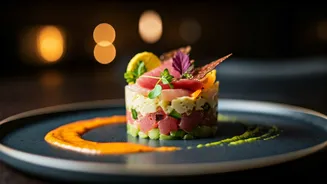
The revival isn't confined to nostalgic street vendors. These old-school treats are getting a modern makeover. High-end restaurants are putting deconstructed versions on their menus. Chic cafes in Mumbai and Bangalore are offering gourmet kulfi in inventive flavors like guava with chili, sitaphal (custard apple), or even paan (betel leaf). Falooda, a complex dessert of rose syrup, vermicelli, sweet basil seeds, and ice cream, is being re-imagined in sleek, Instagrammable glasses. This two-pronged revival—the preservation of the humble street cart alongside the elevation in fine dining—ensures the trend's longevity. It allows the treats to exist simultaneously as an affordable, everyday pleasure and a sophisticated, aspirational experience. It bridges the gap between past and present, proving that the simplest flavors often have the most staying power.