







Why Sleep Is So Elusive
It’s a familiar story: you get into bed, exhausted from the day, only to find your mind racing. The stresses of work, family, and the constant barrage of information from our devices can leave our nervous systems in a state of high alert, making it difficult
to power down. While there are many solutions on the market, from prescription aids to weighted blankets, there's a growing movement toward incorporating simple, natural, and time-honored rituals into our wind-down routines. The goal isn't to find a magic switch for sleep, but to gently signal to our bodies and minds that it's time to rest. This is where ingredients used for centuries in traditional wellness practices, like Ayurveda, come into focus.
Spotlight on Tulsi: The 'Queen of Herbs'
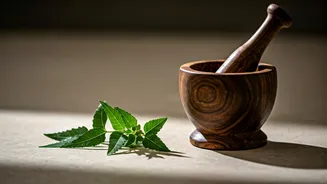
Tulsi, also known as Holy Basil, is a cornerstone of Ayurvedic medicine, India's traditional system of healing. It’s revered not for its culinary flavor (it’s more peppery and clove-like than its cousin, sweet basil) but for its role as an 'adaptogen.' Adaptogens are a class of herbs believed to help the body adapt to and resist physical, chemical, and emotional stressors. The idea is that instead of sedating you, an adaptogen helps bring your body back into balance. Research suggests that compounds in Tulsi may help regulate cortisol, the body's primary stress hormone. By potentially lowering elevated cortisol levels in the evening, Tulsi is thought to promote a state of calm and relaxation, making it easier to transition into sleep.
The Soothing Power of Ginger
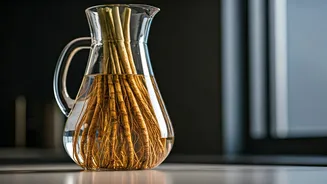
Ginger is a wellness superstar in its own right, known globally for its warming, spicy flavor and potent health benefits. It's most famous for its ability to soothe an upset stomach and combat nausea. For anyone whose sleep is disrupted by indigestion or discomfort, a cup of ginger tea can be incredibly settling. Furthermore, its anti-inflammatory properties can help ease minor aches and pains that might keep you tossing and turning. While not a sedative itself, ginger’s ability to promote digestive comfort and a sense of internal warmth makes it the perfect partner for Tulsi. Together, they create a brew that calms both the mind and the body, preparing the entire system for a period of deep rest.
How to Make Your Soothing Elixir
Making this drink is a ritual in itself. The simple act of preparing it can be the first step in your wind-down process. You can use fresh ingredients or high-quality dried tea bags. **Ingredients:** - 1 cup of water - 5-10 fresh Tulsi leaves (or 1 Holy Basil tea bag) - 1-inch piece of fresh ginger, thinly sliced or grated - 1 teaspoon of raw honey (optional, for taste) - A squeeze of fresh lemon juice (optional, for brightness) **Instructions:** 1. Combine the water, Tulsi leaves, and sliced ginger in a small saucepan. 2. Bring the mixture to a gentle boil. 3. Reduce the heat and let it simmer for 5-10 minutes. The longer it simmers, the more potent the flavor will be. 4. Strain the tea into your favorite mug. 5. If desired, stir in honey until it dissolves and add a squeeze of lemon juice. 6. Find a comfortable spot, sip slowly, and enjoy the warmth.
Create Your Wind-Down Ritual
While this drink is wonderfully calming, its true power is unlocked when it becomes part of a consistent evening routine. The headline's promise to 'fix' a sleep cycle is a tall order for any single item. Instead, think of this tea as the anchor for a larger sleep-hygiene strategy. Try drinking it about an hour before you plan to go to bed. Use that time to disconnect from screens—put your phone away, turn off the TV, and dim the lights. Perhaps you can pair your cup of tea with a few pages of a book, some gentle stretching, or journaling. By repeating this process every night, you create a powerful Pavlovian response, training your brain to associate the warm, aromatic steam of your Tulsi-ginger tea with relaxation and the imminent arrival of sleep.