
The Underrated Powerhouse
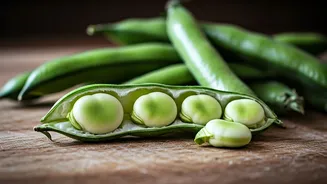
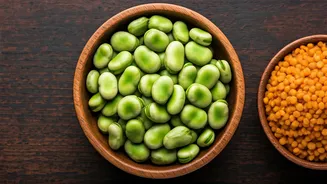
For generations of Americans, fava beans were either a mystery, a line from a Hannibal Lecter movie, or something your Italian grandpa grew in the garden. But that’s changing, fast. Chefs and home cooks are rediscovering this versatile legume for its
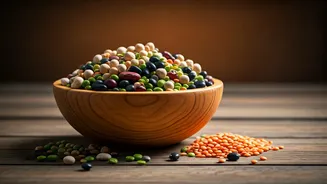
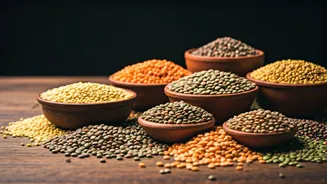
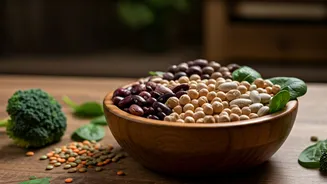
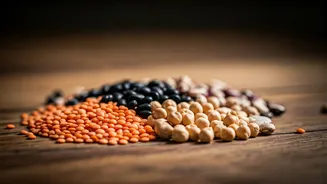
incredible nutritional profile. A single cup of cooked fava beans packs a staggering 13 grams of protein and 9 grams of fiber, making it a satiating powerhouse that rivals, and in some cases surpasses, traditional lentils. They’re also rich in folate, manganese, iron, and magnesium—nutrients essential for energy production and overall health. While lentils have long been the default plant-based protein in South Asian cooking, the dense, creamy texture of fava beans offers a new dimension to familiar dishes. They break down beautifully, creating a thick, luxurious base for soups and stews, making them a natural contender for your go-to dal recipe.
A Win for Your Plate and the Planet
The appeal of fava beans extends beyond the kitchen. They are a true climate-friendly crop. Like other legumes, fava beans are nitrogen-fixers. This means they pull nitrogen from the atmosphere and store it in their roots, naturally enriching the soil they grow in. For farmers, this is a huge advantage. Planting fava beans as a cover crop or in rotation can reduce or even eliminate the need for synthetic nitrogen fertilizers, which are energy-intensive to produce and can contribute to greenhouse gas emissions and water pollution. This soil-building superpower makes fava beans a key player in regenerative agriculture. So, when you choose fava beans, you’re not just getting a nutritious meal; you’re supporting a farming practice that improves soil health and reduces the environmental footprint of our food system. It’s a simple pantry swap that has a surprisingly positive ripple effect.
But How Do They Cook?
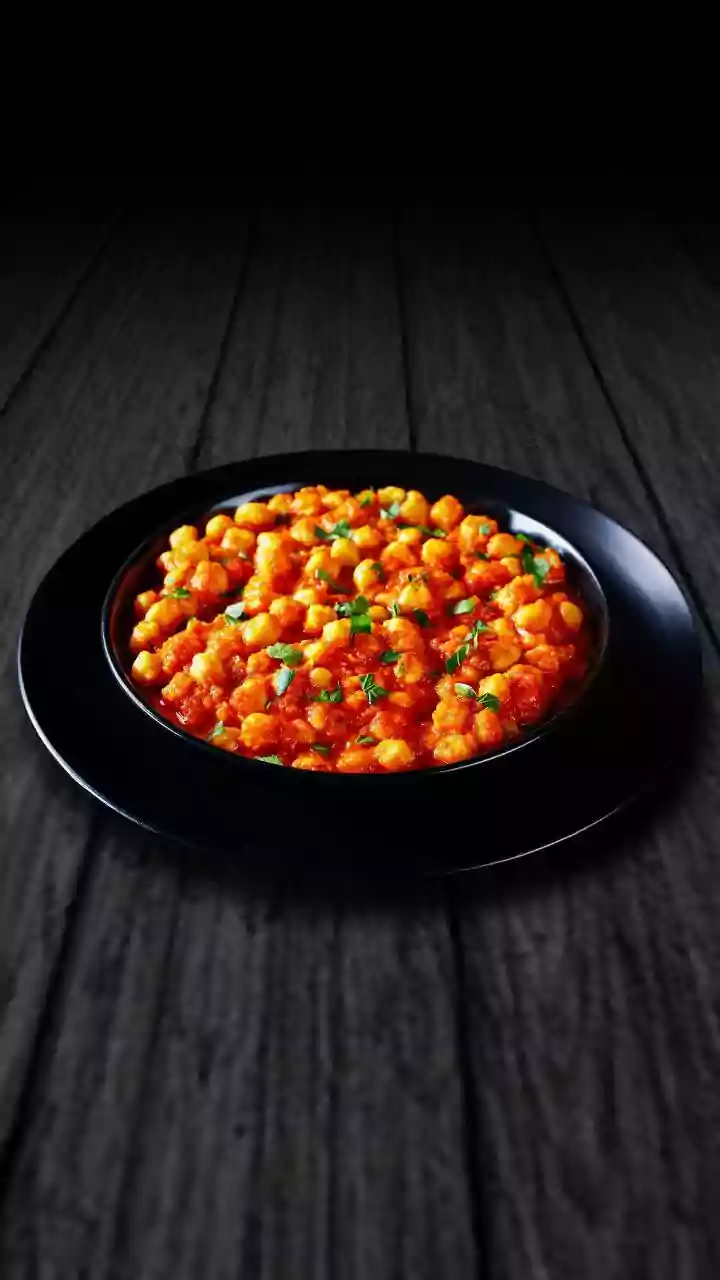
The thought of switching up a classic like dal might seem daunting, but working with fava beans is incredibly straightforward. The key is to look for split fava beans, which are readily available online and in Middle Eastern or specialty grocery stores. Just like split peas or red lentils, they don't require the overnight soaking that whole fava beans do. You can treat them almost exactly as you would masoor (red) or chana (split chickpea) dal. They cook down in about 30 to 40 minutes, transforming into a velvety, creamy puree. The flavor is distinct—earthy, slightly sweet, and less peppery than some lentils. This mild nuttiness makes them a fantastic canvas for the bold spices of a tarka or tadka. A simple finish of sizzling cumin seeds, garlic, and chili in ghee or oil brings the dish to life, proving that fava beans aren't just a substitute; they're an upgrade.
An Important Health Note
While fava beans are a fantastic food for most, it's crucial to mention favism. This is a genetic condition linked to a G6PD deficiency, where consuming fava beans can trigger a severe anemic reaction. The condition is most common in people of Mediterranean, African, and Southeast Asian descent. While it affects a small percentage of the population, it's a serious consideration. If you have a family history of G6PD deficiency or are unsure, it's worth being aware of the risk. For the vast majority of people, however, fava beans are a perfectly safe and incredibly healthy addition to their diet. This isn't meant to scare you off, but to ensure everyone can make an informed choice for their pantry.