



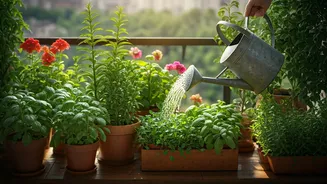


Why Good Drainage is Everything
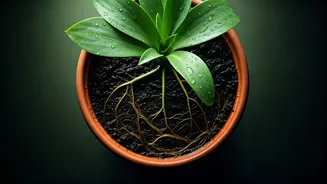
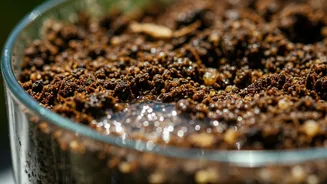
Plants don't just drink water; their roots also need to breathe. In waterlogged soil, all the tiny air pockets that roots rely on for oxygen are filled with water. This effectively drowns the plant from the ground up, leading to a condition called root rot.
Fungal diseases thrive in these anaerobic conditions, and the plant can no longer absorb essential nutrients, even if they are abundant in the soil. The result is a weak, stressed plant that is susceptible to pests and disease. Good drainage isn't just a preference—it's the foundation of a healthy garden, ensuring that water moves through the soil, providing moisture without causing suffocation.
The Ultimate Fix: Go Up with Raised Beds
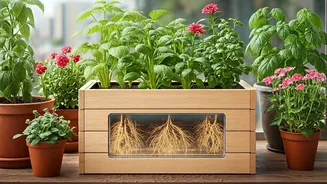
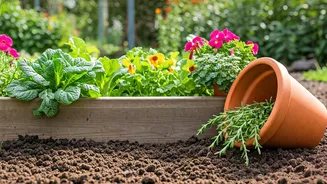
If your yard is plagued by heavy clay, compacted ground, or a low-lying spot that collects water, the most effective solution is to simply rise above the problem. Raised garden beds are the gold standard for fixing drainage issues because they give you complete control. By building a frame and filling it with your own custom soil mix, you are creating a perfect growing environment that is entirely separate from the problematic native soil below. The loose, friable soil in a raised bed allows water to drain freely, while the elevated position prevents it from becoming a bathtub during a downpour. This elevation also helps the soil warm up faster in the spring, giving you a valuable head start on the growing season.
Getting Your Raised Bed Right
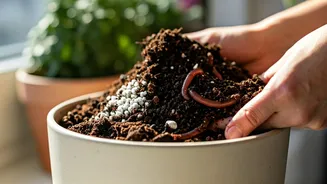
Building a raised bed doesn't have to be complicated. Frames can be made from untreated lumber (like cedar or redwood, which are naturally rot-resistant), galvanized metal, or even stone. The key is height: aim for a depth of at least 10 to 12 inches to give plant roots plenty of room to grow without hitting the compacted soil underneath. When it's time to fill it, resist the temptation to use cheap bagged topsoil or, worse, heavy dirt from another part of your yard. Invest in a quality bulk soil mix designed for raised beds, or create your own by blending compost, topsoil, and an aeration material like perlite or pine bark fines. This lightweight, nutrient-rich blend is the secret to the superior drainage that makes raised beds so successful.
The Clever Tilted Pot Trick
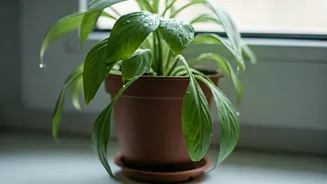
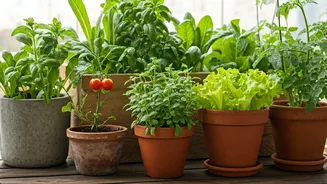
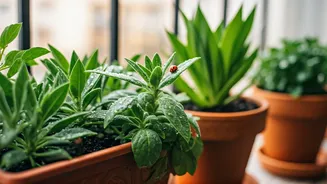
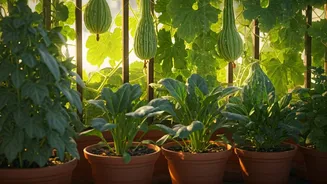
For container gardeners, drainage is just as critical. The “tilted pot” isn't about setting your pots at a precarious, un-level angle. It’s a clever, subtle technique for ensuring the drainage hole doesn't get blocked. Often, when a pot sits flat on a patio, deck, or saucer, the drainage hole can become sealed by surface tension or debris, trapping water inside. The fix is simple: elevate the pot. You can use commercial “pot feet,” which are small supports placed under the pot's edge. Or, for a free and easy version of the “tilt,” simply slide a small, flat stone, a bottle cap, or a thin piece of wood under one edge of the pot. This tiny lift creates an air gap, breaking the seal and allowing water to escape freely. It's a remarkably simple hack that can save your potted plants from sitting in a puddle.
Mastering Container Drainage
Beyond the tilt, mastering container drainage means debunking a common garden myth. For decades, well-meaning gardeners have been told to add a layer of gravel or broken pottery to the bottom of their pots to improve drainage. Unfortunately, science proves this actually makes things worse. Water doesn't move easily from a fine-textured material (soil) to a coarse-textured one (gravel). Instead, it hits the gravel layer and stops, creating a “perched water table” right at the bottom of the pot, exactly where roots are most vulnerable. The best practice is to use a high-quality, well-draining potting mix throughout the entire container and ensure your pot has more than one drainage hole if possible. A simple piece of window screen over the hole can keep soil from washing out without impeding water flow.