
1. Biophilia: Nature as a Necessity
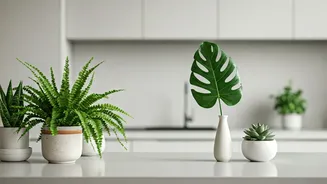
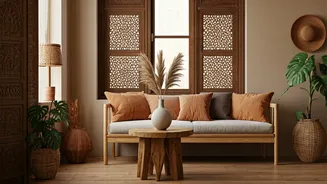
The single biggest driver of wellness in the home is biophilic design—the practice of connecting people with nature indoors. This goes far beyond a few sad succulents on a windowsill. We're talking about a fundamental integration of natural elements.
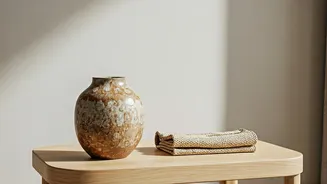
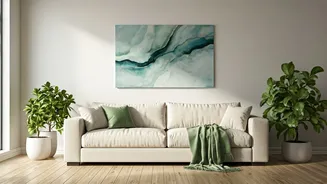
Expect to see more large-scale indoor plants, living walls, and even small water features becoming accessible. Materials will follow suit, with an emphasis on unfinished woods, natural stone like travertine and slate, and textiles made from linen, cotton, and wool. The goal is to create a space that feels alive and restorative, tapping into our innate human need for a connection to the natural world. This trend acknowledges that what's outside our window is just as important as what's inside our walls.
2. Curved Lines for Visual Flow
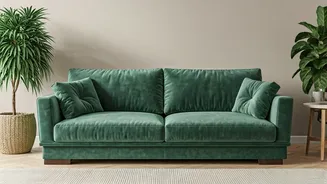
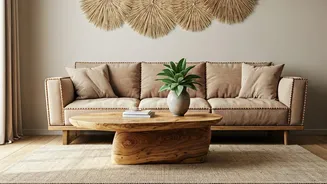
The era of sharp, rigid angles is softening. To achieve a sense of 'flow,' designers are embracing curves. Sofas with gentle, rounded backs, circular coffee tables, arched doorways, and scalloped headboards are becoming staples. These shapes do more than just look good; they guide the eye and body through a space with ease, creating an subconscious feeling of safety and comfort. Sharp corners can feel harsh and obstructive, while curves promote a feeling of gentle movement and continuity. This design choice is less about a specific '70s revival and more about the psychology of space—creating rooms that feel welcoming and easy to navigate, both physically and visually.
3. The Sensory Home
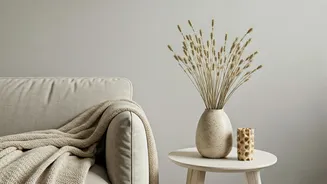
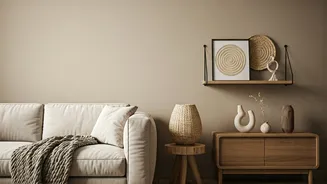
Calm is a multi-sensory experience. Future-forward design is moving beyond the visual to engage our other senses. Think about the textures underfoot and at hand: plush, high-pile rugs, nubby bouclé armchairs, cool marble countertops, and soft, heavyweight curtains that muffle sound. Scent will also play a key role, with a move away from synthetic plug-ins and toward natural diffusers with essential oils like lavender, sandalwood, and eucalyptus. Even sound is being considered, with an emphasis on creating quiet zones, incorporating materials that absorb noise, and perhaps even integrating smart home features that play calming soundscapes. It’s about building a layered, tactile environment that soothes the nervous system.
4. 'Quiet' Palettes and Natural Light
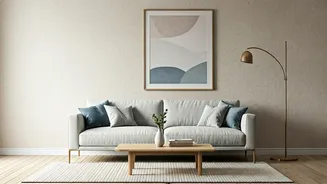
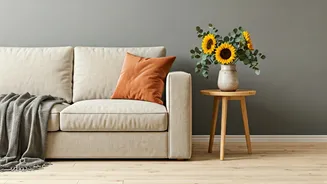
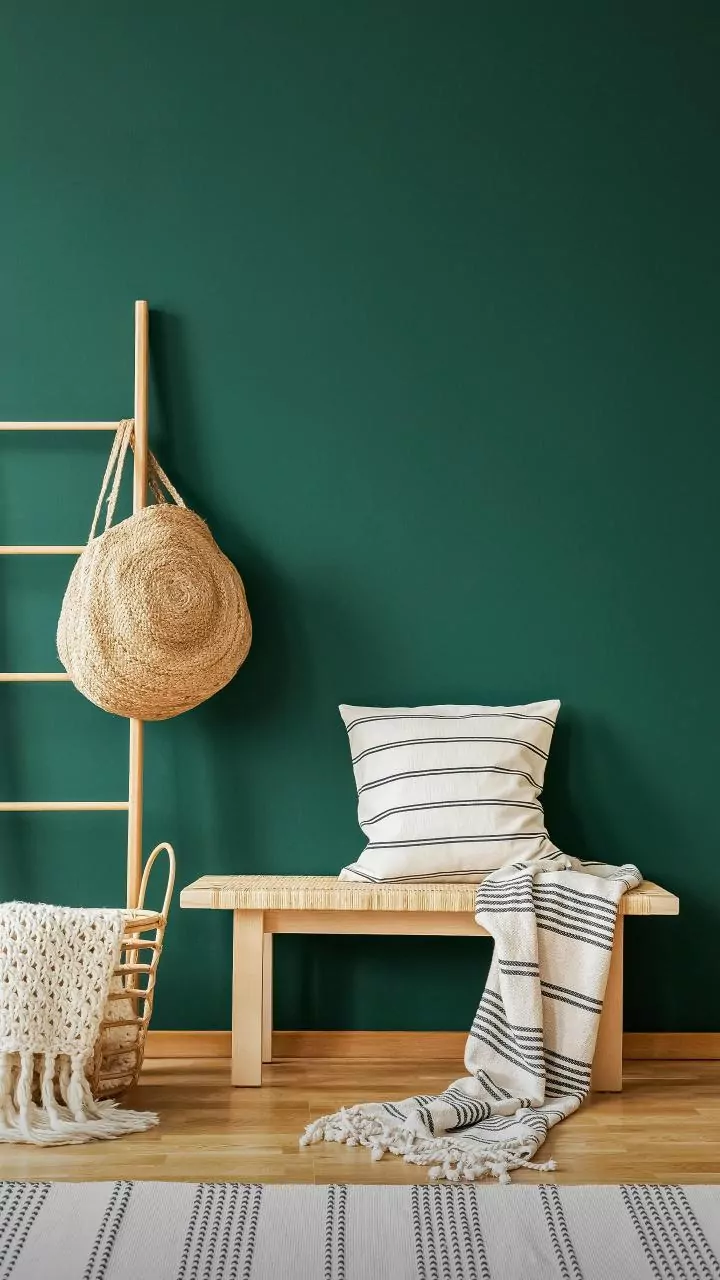
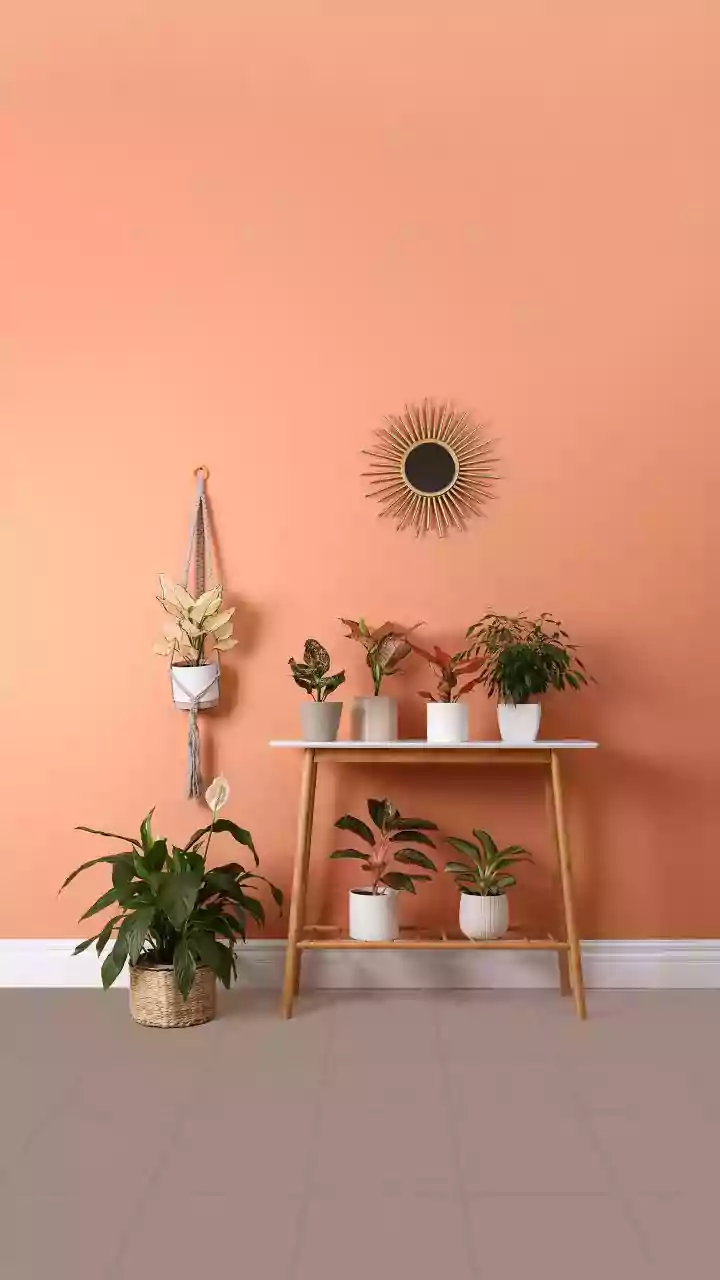
The foundation of a calm interior is its color palette. While gray had its long moment, the new neutrals are warmer, more complex, and drawn from nature. Think earthy tones like terracotta, mushroom, moss green, and deep, calming blues that evoke the sea and sky. These colors are often applied in a monochromatic or tonal scheme to create a cohesive, uncluttered look. Crucially, this is paired with an emphasis on maximizing natural light. Sheer curtains that filter but don't block sunlight, strategically placed mirrors to bounce light around a room, and layouts that prioritize window access all contribute to a feeling of openness and well-being. The interplay of soft color and bright light is key to making a space feel both serene and energizing.
5. Intentional 'Zoning' for Life
The open-concept floor plan isn't dead, but it's being refined. After the chaos of everyone doing everything in one big room, 'zoning' has become the new priority. This is the practice of creating distinct, functional areas within a larger space to support different activities and moods. A 'zone' can be created with a simple area rug, a strategically placed bookshelf acting as a divider, or a change in lighting. The goal is to carve out a dedicated spot for work, a comfortable nook for reading, and a clear area for socializing. This allows for mental separation and helps our brains switch off, fostering both productivity and relaxation. It’s a practical way to bring 'flow' to daily routines by creating a home that intuitively supports how we live.