




The Quest for Healthier Classics
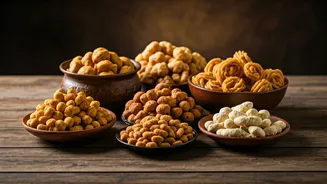
Let’s start with the obvious. For generations, some of India’s most beloved snacks have been born of shimmering, bubbling oil. Pakoras, samosas, vadas, and bhajis are cornerstones of Indian cuisine, synonymous with comfort, celebration, and rainy afternoons.
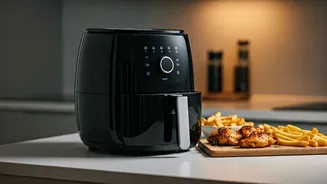
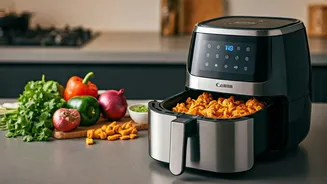
But they also come with a health trade-off that many modern families are looking to sidestep. The air fryer entered the scene as a near-magical solution. It offers a path to that coveted crispiness—the defining characteristic of a good fried snack—while using dramatically less oil. Home cooks quickly discovered that a light spritz or brush of oil in an air fryer could produce a samosa that was 80-90% of the way to the deep-fried ideal, without the lingering guilt or the heavy, greasy feeling. It became an easy way to say “yes” to daily favorites without compromising on evolving health goals.
More Than Just a 'Fake' Fryer
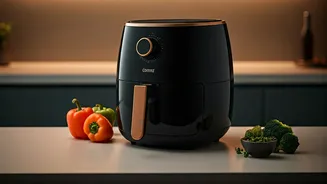
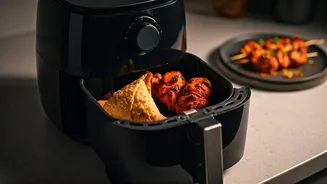
If the story ended with “healthier samosas,” the air fryer would be a one-trick pony. Its staying power in Indian kitchens—both in India and across the U.S. diaspora—comes from its surprising versatility. Think of it less as a fryer and more as a super-powered, compact convection oven. This makes it perfect for a range of Indian cooking techniques that have nothing to do with deep-frying. It’s brilliant for making classic roasted dishes like Paneer Tikka or Tandoori Chicken, achieving the slight char and tender interior that an oven can take twice as long to produce. It can roast vegetables for a quick sabzi (vegetable stir-fry) or even bake small-batch naan. This adaptability means it’s not just a novelty gadget for snack time; it’s a workhorse that earns its valuable counter space.
The Reheating Revolution
Anyone who has tried to revive a day-old samosa in the microwave knows the sad, soggy result. This is where the air fryer truly shines and solidifies its place in the Indian home. The magic of circulating hot air is its ability to restore crispness. Leftover pakoras, cutlets, and breads are resurrected to their former glory in minutes. A piece of naan becomes warm and pliable, not stiff or chewy. In a culture where hospitality is paramount and leftovers are a fact of life, the ability to quickly serve food that tastes freshly made is a game-changer. It eliminates food waste and elevates the experience of eating yesterday’s meal, transforming it from a chore into a pleasure.
A Fit for the Modern Lifestyle
The rise of the air fryer also maps perfectly onto the realities of modern urban life. In bustling cities from Mumbai to New York, kitchens are often smaller, time is scarce, and convenience is king. Firing up a full-sized oven for a small batch of tikkas feels wasteful and heats up the entire apartment. Deep-frying is a messy, smelly affair that requires careful cleanup and oil disposal. The air fryer sidesteps all these issues. It’s fast, contained, and relatively easy to clean. For busy parents trying to make a quick, healthy-ish snack for their kids after school, or for young professionals meal-prepping for the week, the appliance offers an efficiency that traditional methods can’t match. This alignment with the pace and practicalities of contemporary life is perhaps the biggest driver of its adoption.
The Social Media Connection
This culinary shift isn’t happening in a vacuum. A vibrant ecosystem of recipes, hacks, and tutorials has exploded across Instagram, YouTube, and Facebook groups. Indian food bloggers and home cooks are enthusiastically sharing their air-fried creations, from innovative dishes like air-fried kurkuri bhindi (crispy okra) to perfected techniques for classic kababs. This digital community provides inspiration and validation, showing cooks what’s possible and creating a shared sense of discovery. Seeing a trusted influencer successfully air-fry a gulab jamun (a traditionally deep-fried dessert) encourages thousands of others to try, pushing the boundaries of what the appliance can do and accelerating its integration into the culinary mainstream.