






The Burnout We All Feel
Let’s be honest: our screens are our lifelines. They’re our alarm clocks, our newspapers, our social hubs, and our primary source of entertainment. But that constant connection comes at a cost. There’s a low-grade but persistent exhaustion that comes from
being perpetually online—a state of being 'input-heavy' where we’re always consuming information, notifications, and other people’s highlight reels. This isn't the dramatic burnout that leads to a week-long 'digital detox' where you throw your phone in a drawer. It's the quieter, daily friction of a brain that never gets a moment of unstructured peace. It’s the reason you can feel tired after an hour of scrolling, even though you haven't moved. The wellness world, ever responsive to our collective pain points, is now buzzing with a solution that feels more sustainable and less punitive than a total tech blackout.
More Than Just 'Digital Detox'
Enter the 'screen-light' routine. Unlike a hard detox, this trend isn't about deprivation. It’s about integration and intention. The core idea is to purposefully build non-screen activities into the bookends of your day: the first hour after you wake up and the last hour before you go to sleep. It’s not about demonizing your phone but about putting it in its proper place. Think of it as adding, not subtracting. You’re not *banning* your phone in the morning; you’re *adding* ten minutes of stretching, making coffee without simultaneously checking emails, or simply watching the world outside your window. The 'light' in screen-light is key. It implies a gentler, more forgiving approach. The goal isn’t to achieve a perfect, screen-free existence but to create small pockets of analog peace that can lower stress, improve focus, and help your mind reset.
Crafting a Screen-Light Morning
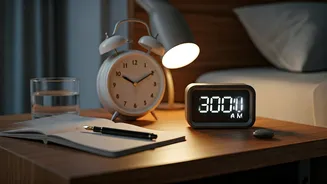
The typical modern morning starts with the jarring blue light of a phone, instantly flooding our brains with stressors: work emails, anxiety-inducing headlines, and the curated perfection of social media. A screen-light morning aims to replace that jolt with a calmer beginning. The easiest first step is to get a simple, non-phone alarm clock. This small change removes the immediate temptation to start scrolling from bed. From there, you can build a small routine. Maybe you commit to not looking at your phone until after you’ve had your first cup of coffee. In that time, you could do a five-minute meditation, write down three things you’re grateful for in a physical journal, listen to a playlist or podcast on a smart speaker (audio is considered screen-light), or just sit in silence. It sounds almost radical, but giving your brain 15-30 minutes to wake up without the chaos of the internet can profoundly change the trajectory of your entire day.
The Art of the Evening Wind-Down
We’ve all heard that the blue light from screens can interfere with our body's production of melatonin, the hormone that signals it's time to sleep. A screen-light evening routine puts that knowledge into practice. An hour before bed, make a conscious decision to put your devices away. This 'digital sunset' tells your brain it’s time to wind down. What can you do instead? Plenty. Pick up that novel that’s been sitting on your nightstand. Do some gentle stretches. Tidy up your living space, which can have a calming effect on the mind. Take a warm bath or shower. Listen to calming music or an audiobook. The key is to swap activities that are stimulating and screen-based (like scrolling TikTok or watching an action-packed show) for those that are relaxing and analog. This practice isn't just about better sleep; it's about creating a clear, intentional boundary between your active day and your restorative night.
It's About Intention, Not Perfection
The most important part of adopting a screen-light routine is to release the pressure for perfection. This is not another wellness benchmark to fail at. If you manage one screen-light morning a week, that’s a victory. If your evening wind-down sometimes gets derailed by a late work email or a call with a friend, that’s life. The goal is to build awareness and make small, intentional choices when you can. The beauty of the 'screen-light' concept is its flexibility. It's a personal practice, not a rigid rulebook. By focusing on what you can realistically add to your life, rather than what you must remove, you set yourself up for a healthier, more sustainable relationship with the technology that shapes so much of our world.