





What Is Mist Tourism?
Call it mist tourism, fog bathing, or atmospheric travel—at its heart, this trend is about intentionally seeking out weather that most vacationers try to avoid. Instead of clear blue skies, travelers are booking trips to destinations renowned for their
ethereal, low-visibility conditions. It’s a deliberate choice to experience a place when it’s wrapped in a blanket of fog, drenched in the fine spray of a waterfall, or shrouded in the morning mist rising from a valley.
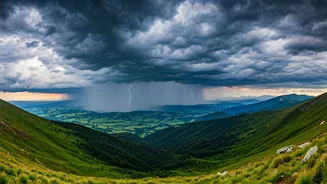
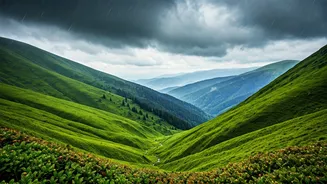
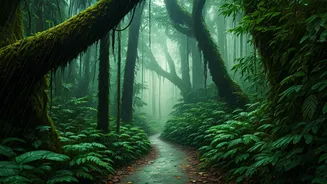
This isn't about getting caught in a downpour. It’s a mindful shift away from the high-energy, sun-drenched beach holiday and toward something quieter and more introspective. The goal is to connect with a destination in its most moody and mysterious state. Think of hiking through the cloud-draped redwood forests of Northern California, wandering the foggy moors of Scotland, or watching steam billow from Icelandic geothermal fields. The mist isn't a nuisance; it’s the main attraction.
The Allure of the Atmosphere
So why are people suddenly chasing clouds? The appeal is multi-layered, blending wellness with aesthetics. For many, it’s an extension of 'slow travel'—a movement that prioritizes connection and experience over seeing as much as possible. A foggy landscape forces you to slow down. With visibility reduced, your other senses sharpen: the sound of a hidden stream, the smell of damp earth, the feel of cool moisture on your skin. It creates a natural cocoon, quieting the external world and encouraging a sense of calm and introspection.
There's also a powerful aesthetic component, fueled by social media's love for 'moody' photography. The soft, diffused light of a misty morning is a photographer’s dream, creating images that feel profound and painterly. This visual appeal has helped redefine 'bad' weather as beautiful, turning a foggy day from a travel disappointment into a coveted experience. It’s a chance to see iconic landscapes—like the Golden Gate Bridge or the cliffs of the Oregon coast—in a state that feels more dramatic and personal than a postcard-perfect sunny day.
From Forest Bathing to Foggy Coasts
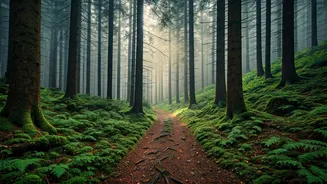
This trend has roots in practices like Japanese 'shinrin-yoku,' or forest bathing, which involves immersing oneself in the forest atmosphere for therapeutic benefits. A misty forest amplifies this experience, with the air feeling cleaner and the environment more enveloping. Destinations are catching on. The temperate rainforests of the Pacific Northwest—in Washington’s Olympic National Park or Oregon’s Columbia River Gorge—are prime locations for mist-seekers. Here, moss-draped trees disappear into the low-hanging clouds, creating a scene that feels ancient and magical.
Globally, the options are plentiful. Ireland’s misty coastlines, the fog that rolls over the Scottish Highlands, and the cloud forests of Costa Rica all offer unique versions of the experience. Even geothermal areas provide a form of mist tourism. Visiting Yellowstone’s geyser basins on a cold morning or soaking in Iceland’s Blue Lagoon as steam rises around you delivers a similar feeling of being enveloped by nature’s breath. It’s less about a specific activity and more about being present in a powerful, atmospheric setting.
More Than Just a Mood
While much of the appeal is psychological and aesthetic, some proponents point to potential wellness perks. The air near waterfalls and crashing waves is famously rich in negative ions, which some studies suggest can have a mood-boosting effect, similar to the fresh feeling in the air after a thunderstorm. Mist, especially the fine spray from a powerful cascade, is saturated with these particles.
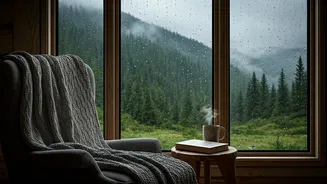
However, you don't need to believe in ion therapy to feel the benefits. The simple act of stepping into a quiet, misty world provides a powerful antidote to our over-stimulated, digitally saturated lives. It’s a sensory reset. The muffled sounds, soft visuals, and clean, damp air combine to create a deeply meditative environment. This trend suggests a growing desire for travel that doesn't just entertain us, but genuinely restores us on a deeper level.