


The Soul of a Pakora
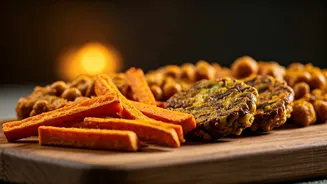
For millions, the pakora is more than just a snack; it’s a feeling. These savory, spiced fritters—made from vegetables like onions, potatoes, or spinach coated in a chickpea flour (besan) batter—are synonymous with rainy afternoons, steaming cups of chai,
and impromptu gatherings. The magic has always been in the deep-frying. When the batter hits the hot oil, it undergoes a rapid transformation. The exterior crisps up instantly, creating a craggy, golden-brown shell, while the inside steams, cooking the vegetables and setting the batter into a moist, almost fluffy interior. This contrast is what makes a pakora so addictive. The process is messy and oil-heavy, often relegating these treats to special occasions or restaurant visits. But that deep-fried texture has always been considered non-negotiable.
The Air Fryer’s Bold Promise
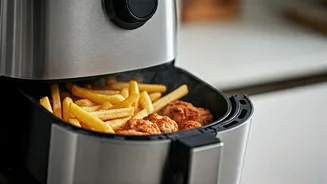
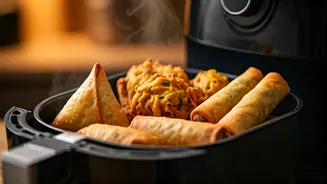
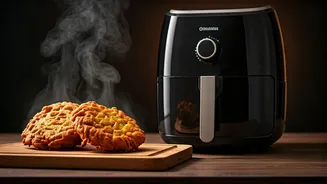
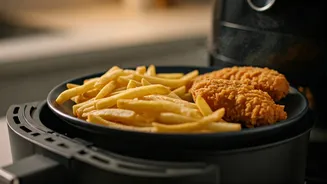
Enter the air fryer, the countertop convection oven that has revolutionized home cooking by promising the crispiness of frying without the submersion in oil. Instead of a hot oil bath, an air fryer uses a powerful fan to circulate superheated air around the food, creating a dehydrated, browned exterior. For foods like frozen french fries or chicken wings, the results can be astonishingly close to the real thing. The appeal for pakoras is obvious: what if you could enjoy that savory, spicy goodness on a Tuesday night without the pot of bubbling oil, the lingering smell, and the caloric load? The idea of a weeknight-friendly, “healthy” pakora is almost revolutionary. It’s a promise of indulgence without the guilt, and home cooks across the country have eagerly put it to the test.
The Great Texture Debate
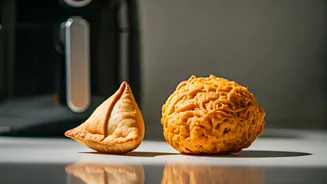
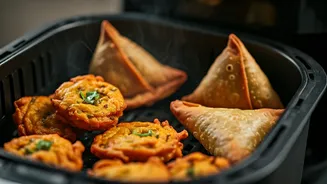
So, here’s the unvarnished truth: an air-fried pakora is not the same as a deep-fried one. It’s essential to manage expectations. While you can achieve a definite crispness on the outside, the internal texture is where the difference becomes clear. Because the batter isn't flash-cooked in oil, it bakes more slowly. This often results in a denser, slightly drier, and more uniform interior—think less “fritter” and more “savory baked nugget.” The light, airy pockets that define a classic pakora are largely absent. Some describe the texture as slightly cakey. This isn’t necessarily a bad thing; it’s just a different thing. For those prioritizing lower oil intake above all else, it’s a fantastic trade-off. The flavors of the spices and vegetables are still there, and you get a satisfying crunch. But if you're a purist chasing the exact texture from your favorite Indian restaurant, you may feel something is missing.
Tips for Air Fryer Success
Ready to try it yourself? With the right technique, you can make some genuinely delicious air fryer pakoras. Success lies in a few key adjustments. First, your batter needs to be thicker than it would be for deep-frying. A runny batter will drip through the air fryer basket and fail to coat the vegetables properly. Aim for a paste-like consistency that clings well. Second, don't skip the oil entirely. A light spritz of cooking spray or brushing a thin layer of oil onto the pakoras before and halfway through cooking is crucial for browning and achieving the best possible crisp. Third, give them space. Don't overcrowd the air fryer basket; cook in batches to ensure the hot air can circulate around each pakora. A single, spaced-out layer is best. Finally, lining the basket with a piece of perforated parchment paper can prevent sticking and make cleanup dramatically easier. A typical starting point is about 12-15 minutes at 375°F, flipping halfway through.