


Welcome to the 'Scotland of India'
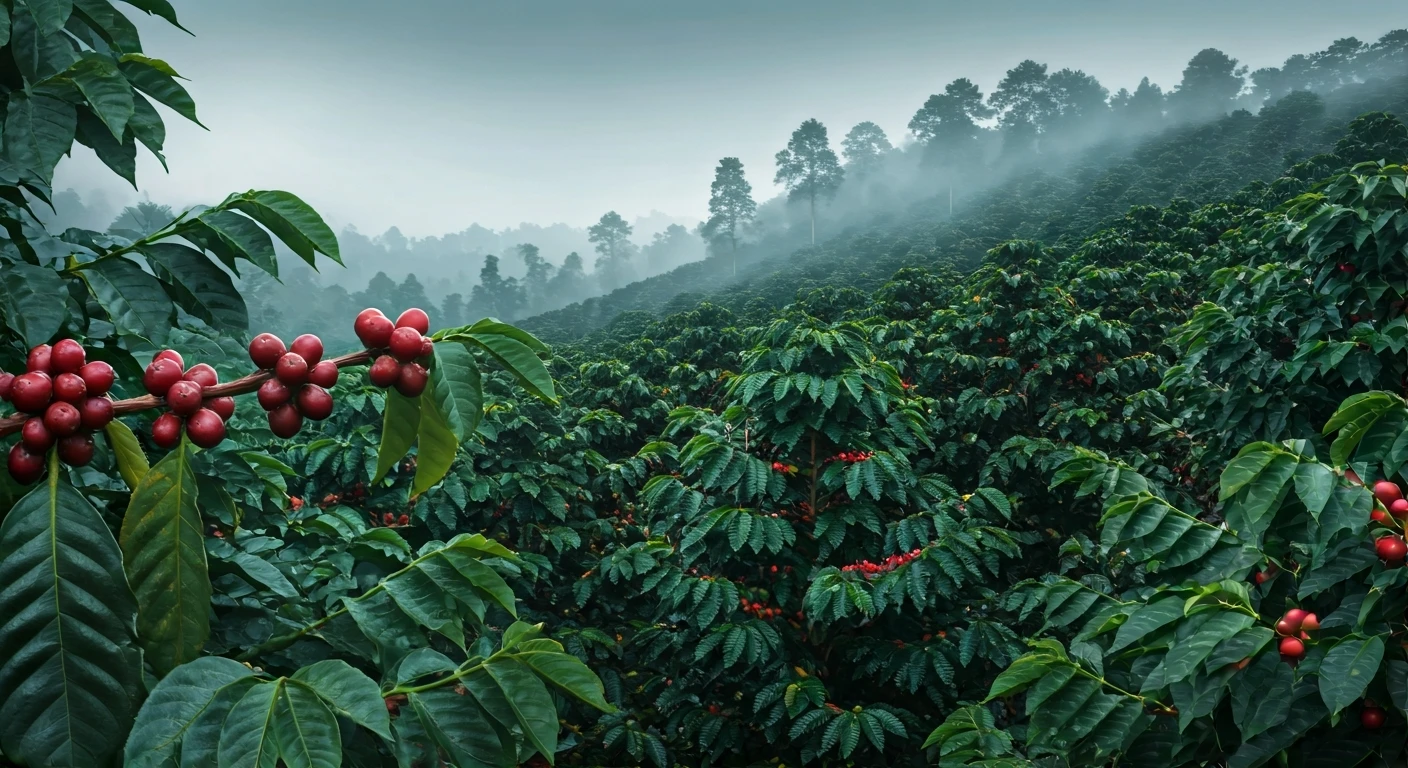
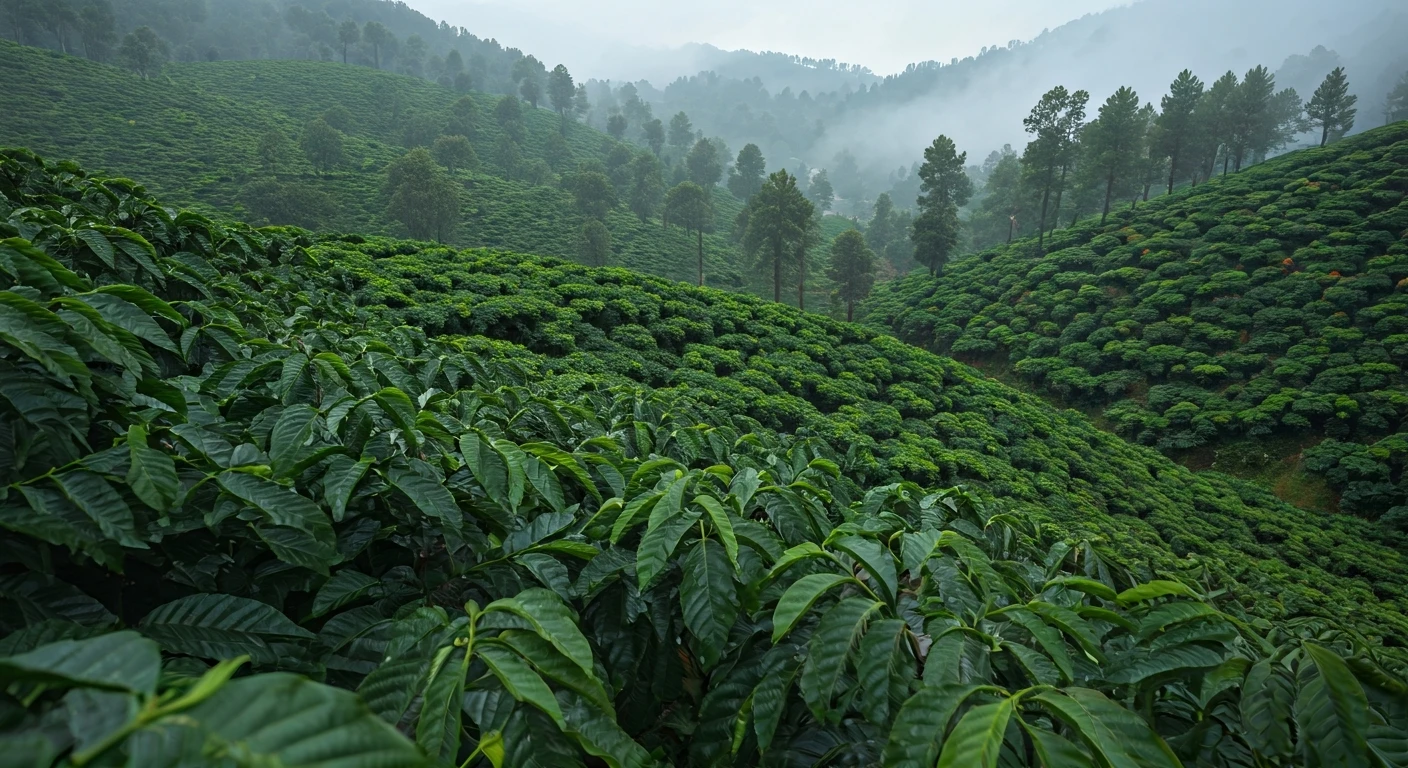
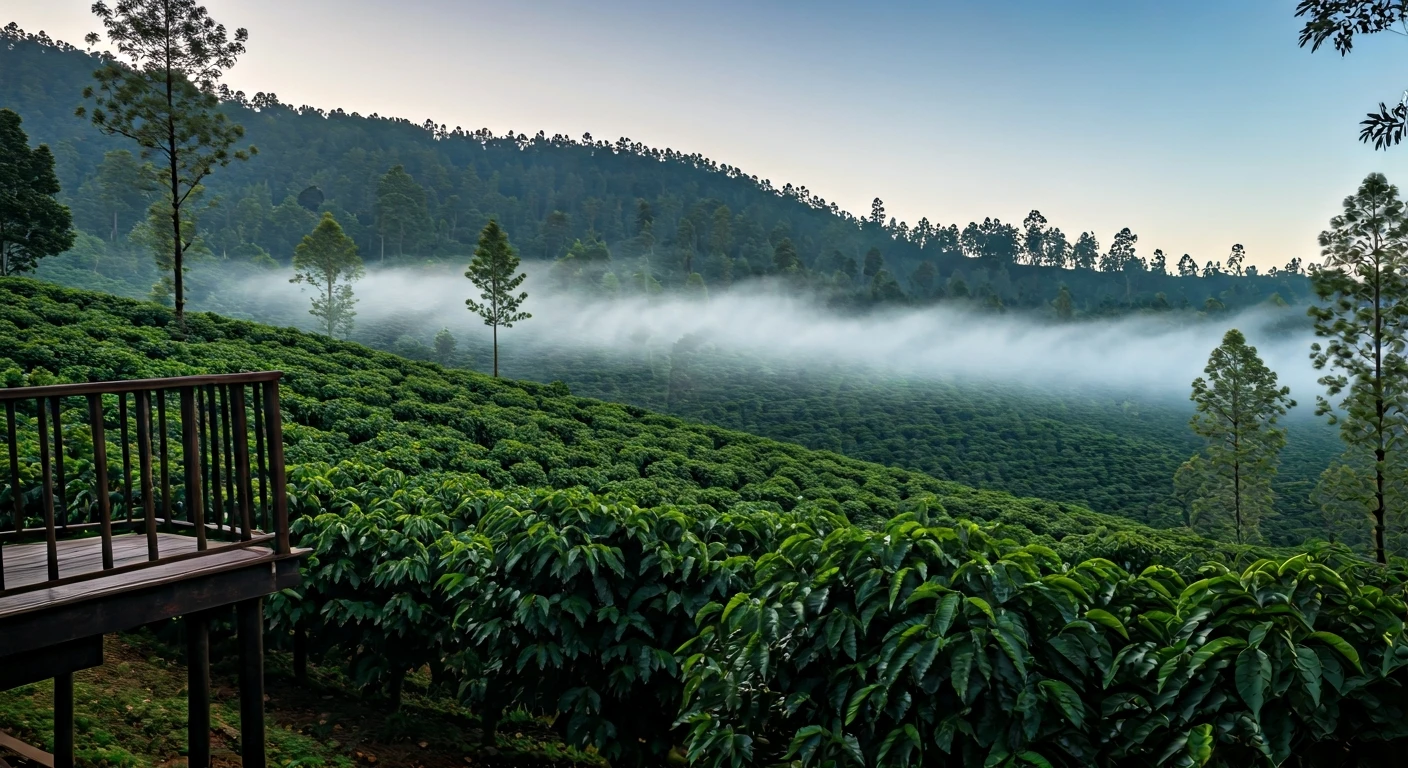
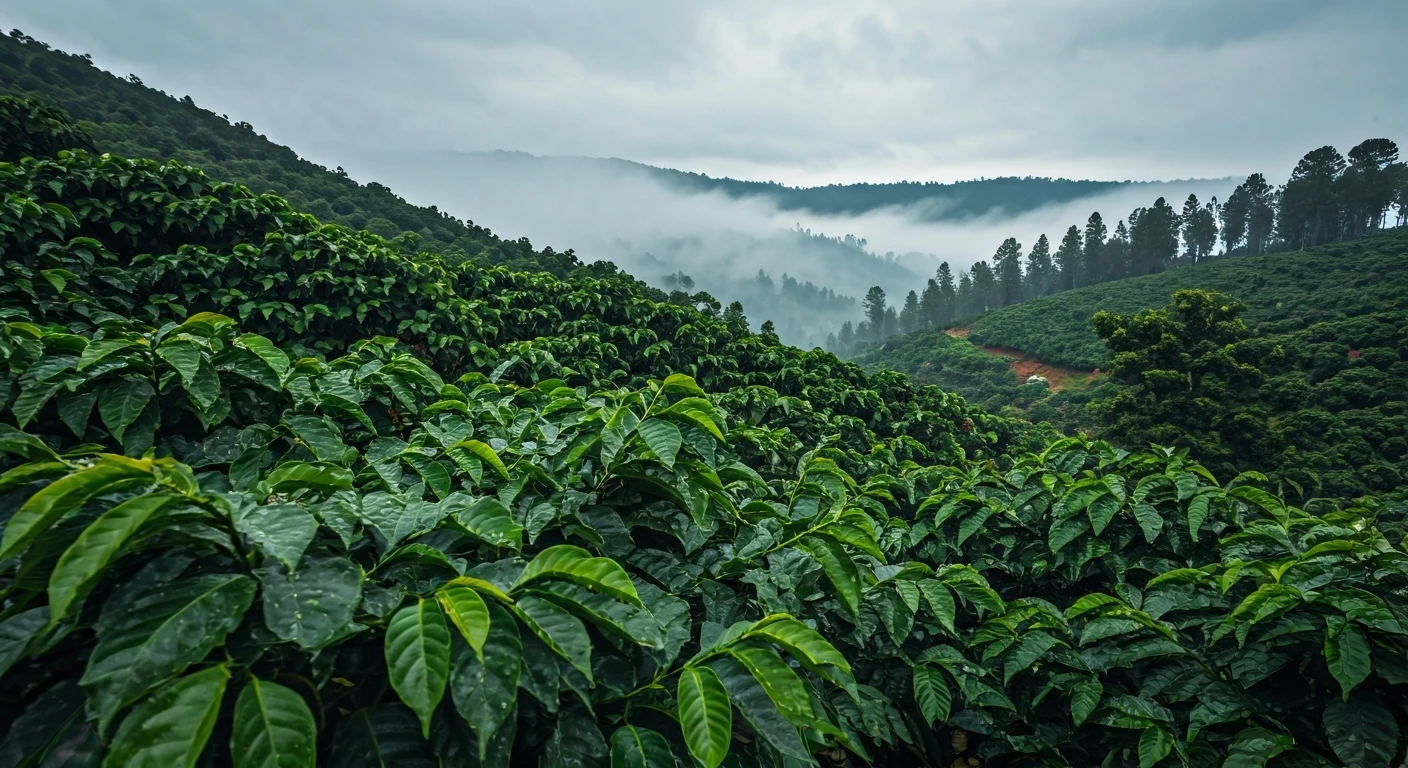
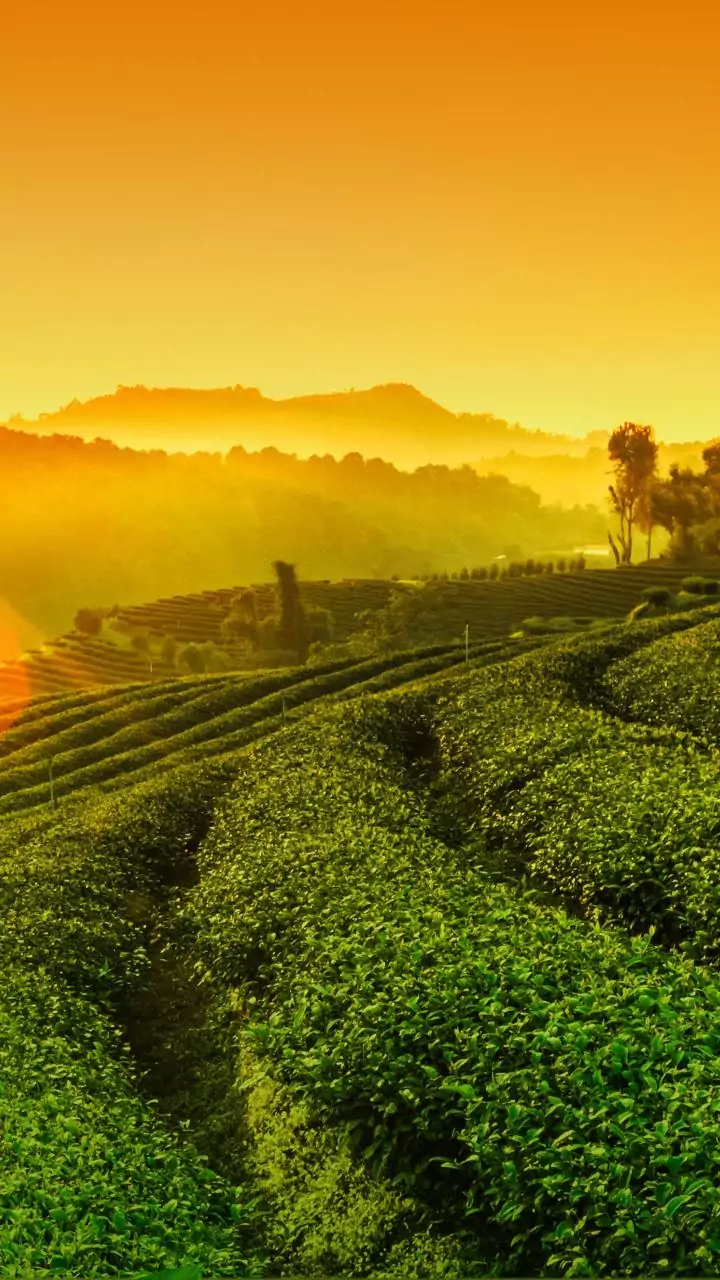
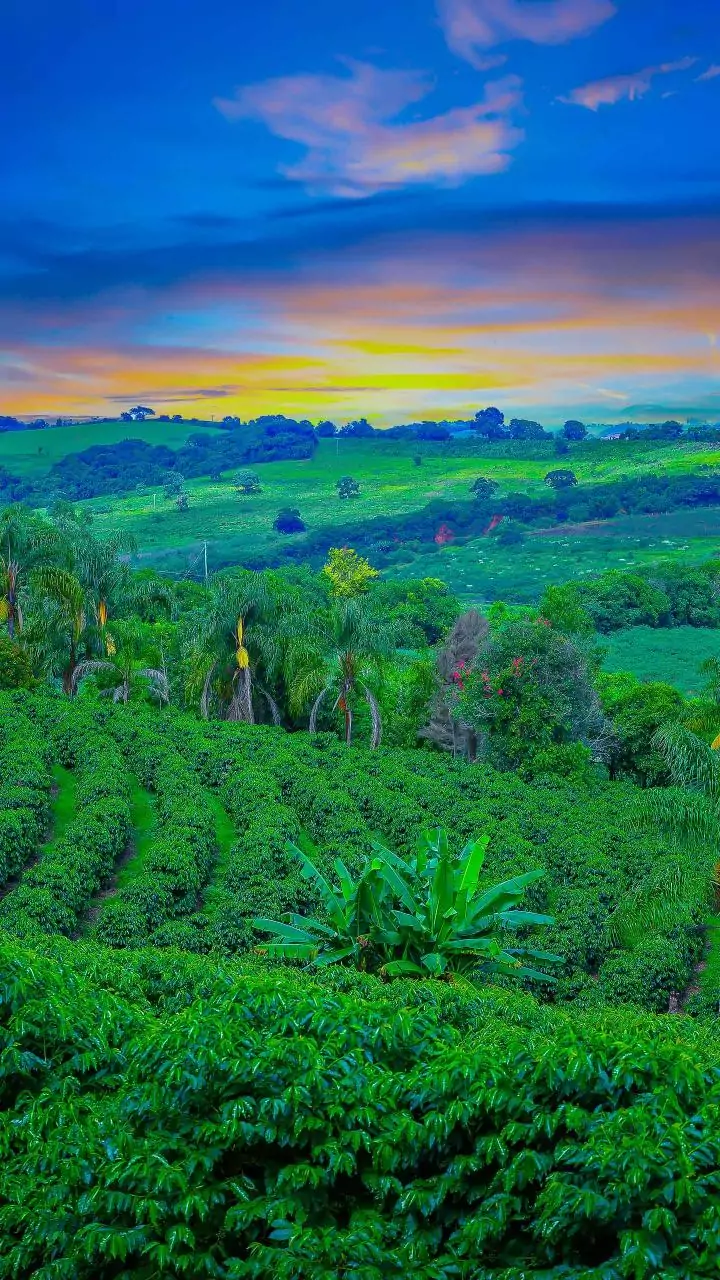
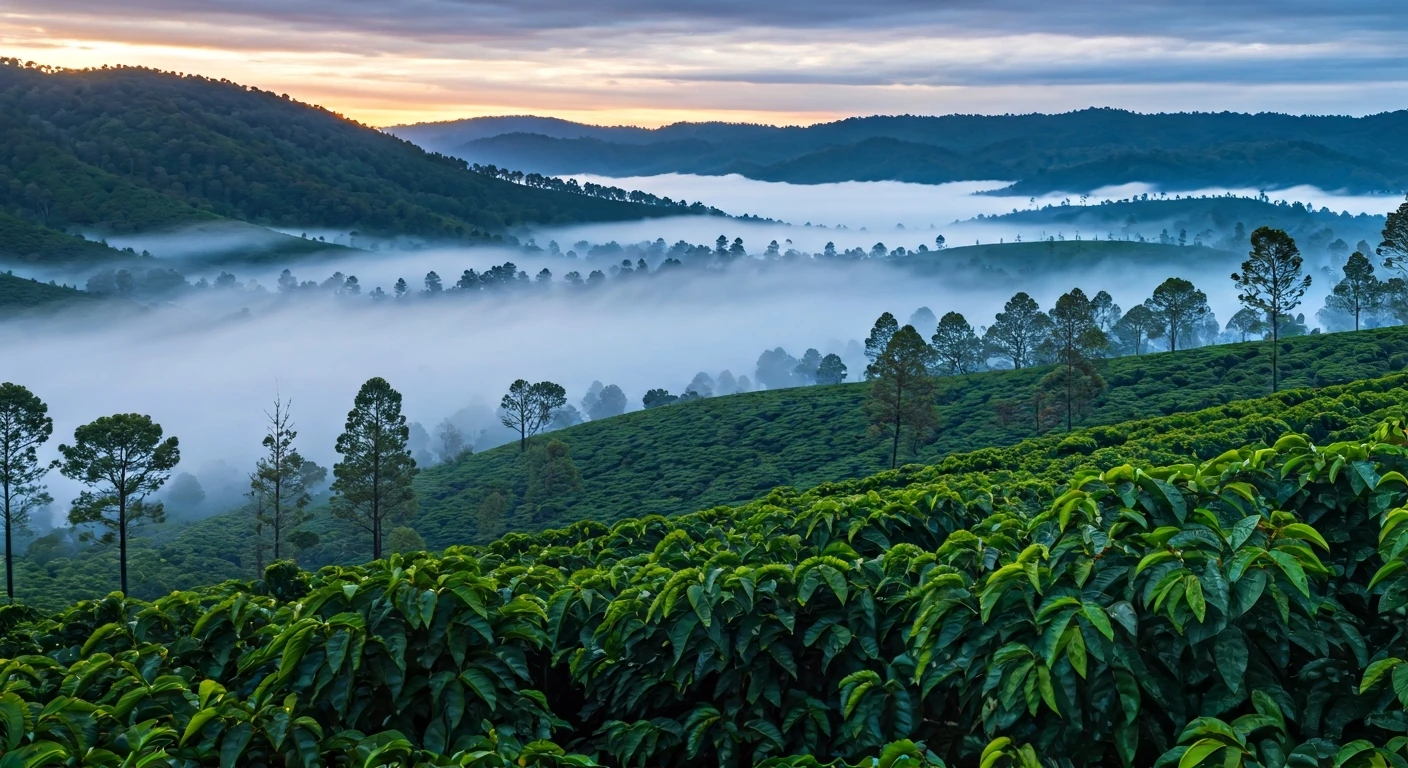
Nestled in the Western Ghats mountain range in the southern state of Karnataka, Coorg—officially known as Kodagu—has long been a beloved retreat for those in the know. Its rolling hills, draped in coffee plantations and spice gardens, have earned it the nickname
the 'Scotland of India.' But unlike the Scottish Highlands, Coorg’s landscape is distinctly tropical, punctuated by dense forests, cascading waterfalls, and the rich aroma of roasting coffee beans. It’s a region that feels suspended in time, where traditions of the local Kodava people remain vibrant and hospitality is a point of pride. For most American travelers, it’s a soul-stirring detour from the well-trodden Golden Triangle, offering a glimpse into a greener, quieter side of the subcontinent.
Why You Should Go During the Monsoon
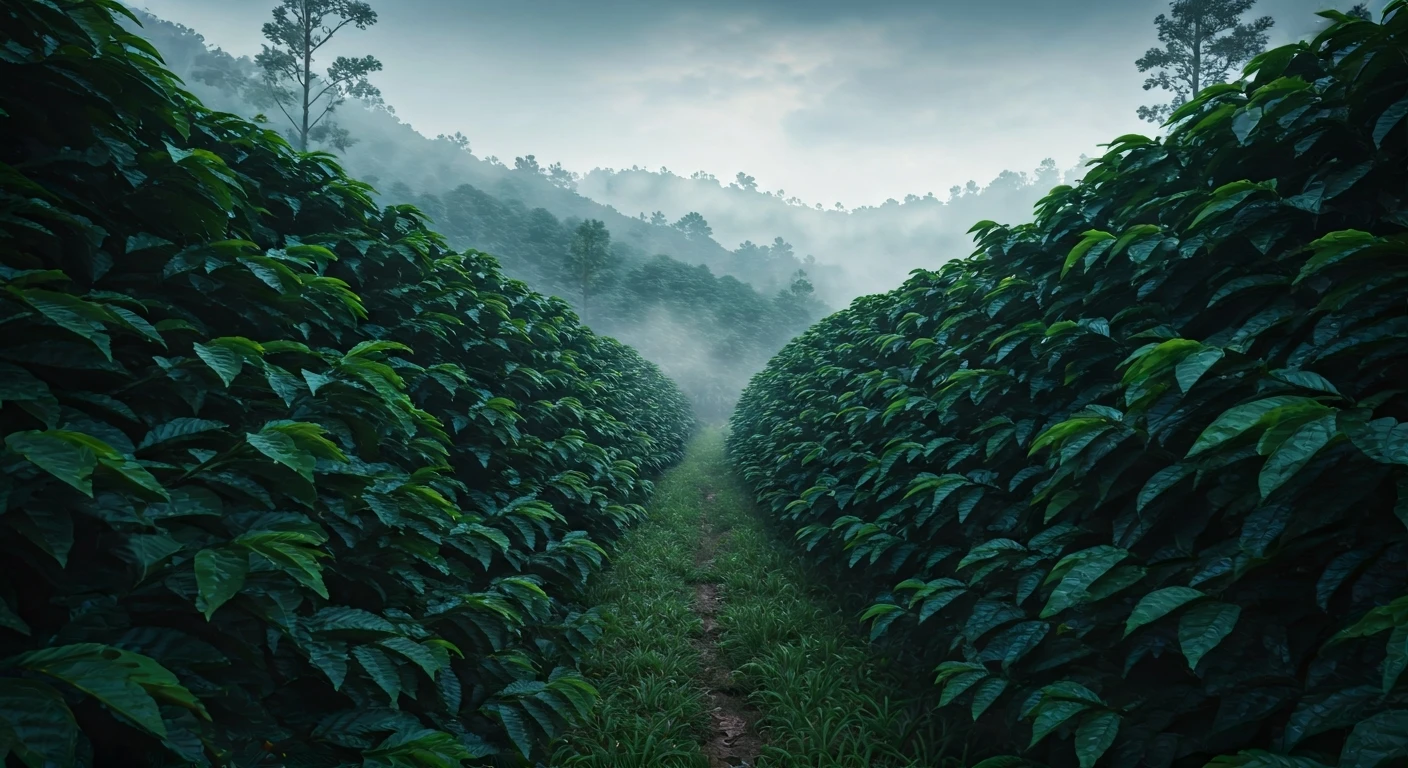
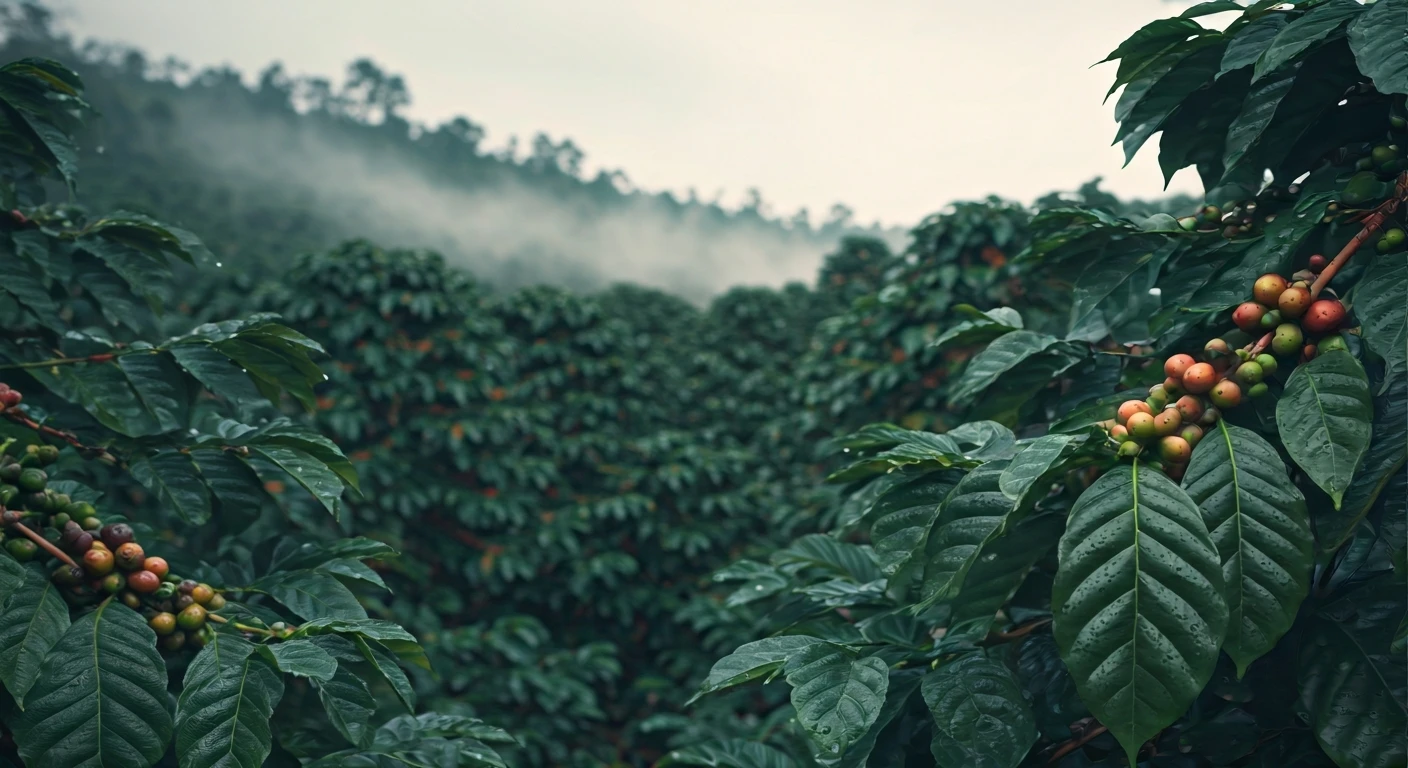
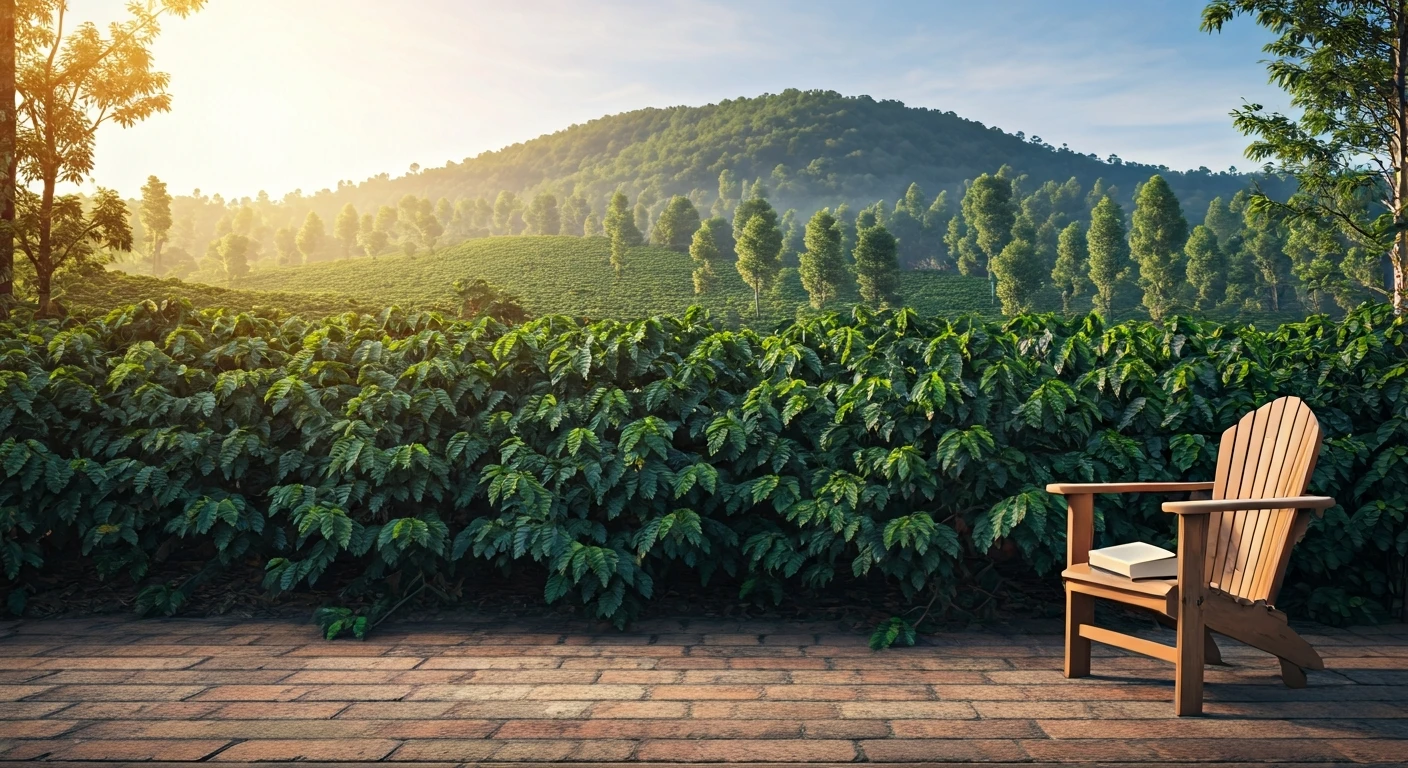
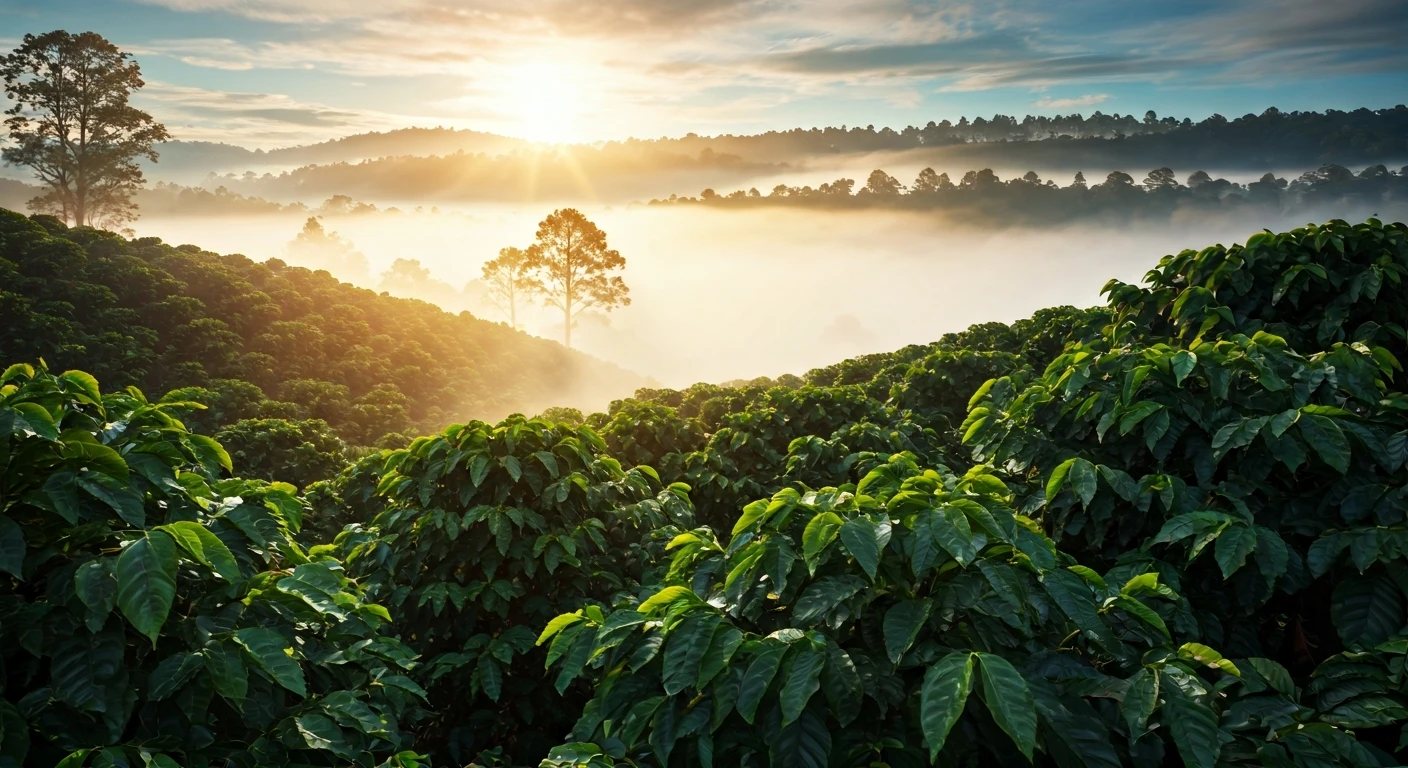
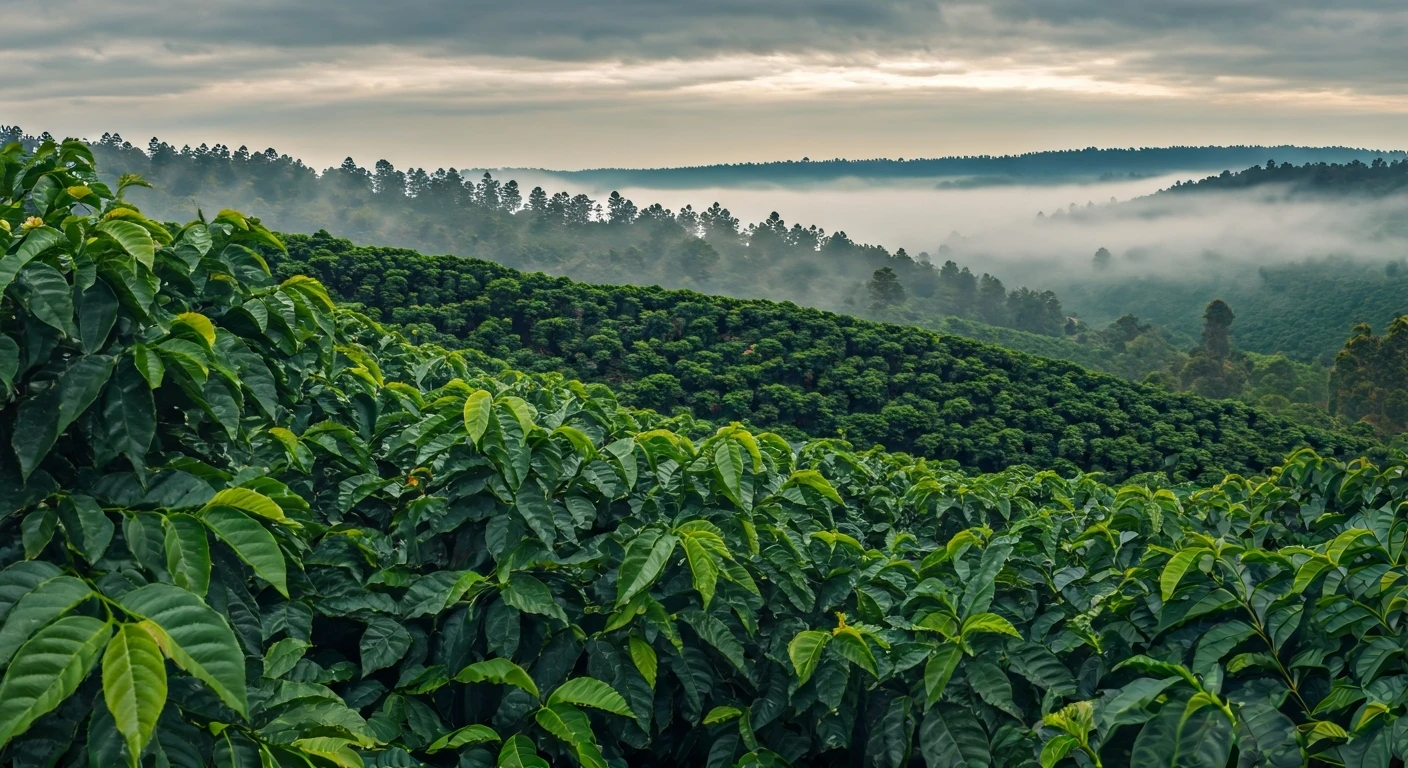
Conventional travel wisdom tells us to avoid the rainy season. In Coorg, that wisdom is turned on its head. From June to September, the monsoon doesn't just visit; it transforms the entire region into a living spectacle. The rain washes the dust from the leaves, leaving behind a thousand shades of impossible green. Waterfalls that are mere trickles in the dry season become thunderous torrents, and a perpetual mist clings to the hillsides, creating a dreamlike, atmospheric haze. This isn't the kind of rain that ruins a vacation; it's the kind of rain that *is* the vacation. The downpours are often intense but brief, followed by periods of quiet drizzle perfect for curling up with a book and a cup of locally grown coffee. It’s a season that forces you to slow down, listen, and watch the world rejuvenate itself.
Embracing the Art of Doing Nothing
A trip to rainy Coorg is the antithesis of a checklist-driven itinerary. This is the heart of the slow-travel ethos: trading sightseeing for 'being.' Your primary activity might be sitting on the veranda of a plantation bungalow, watching curtains of rain sweep across the valley. It’s about taking a leisurely, meandering drive through winding roads flanked by overflowing streams, stopping not for a monument but for a particularly beautiful view. Instead of rushing from one spot to another, you allow the weather and your mood to dictate the day. The goal isn’t to 'see' Coorg but to feel it—the cool air on your skin, the earthy smell of wet soil, the percussive sound of raindrops on a tin roof. It's a conscious decision to unplug from productivity and reconnect with a simpler rhythm.
The Quintessential Homestay Experience
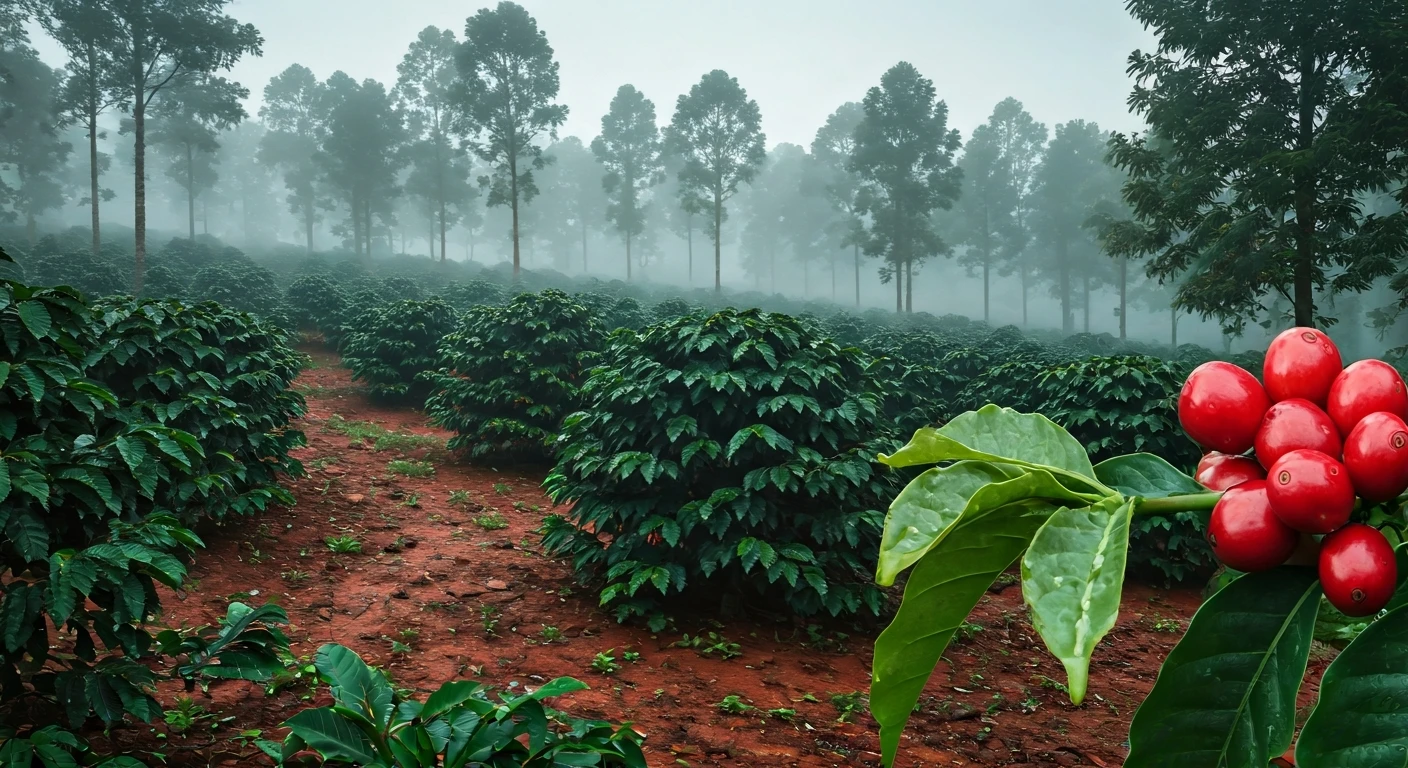
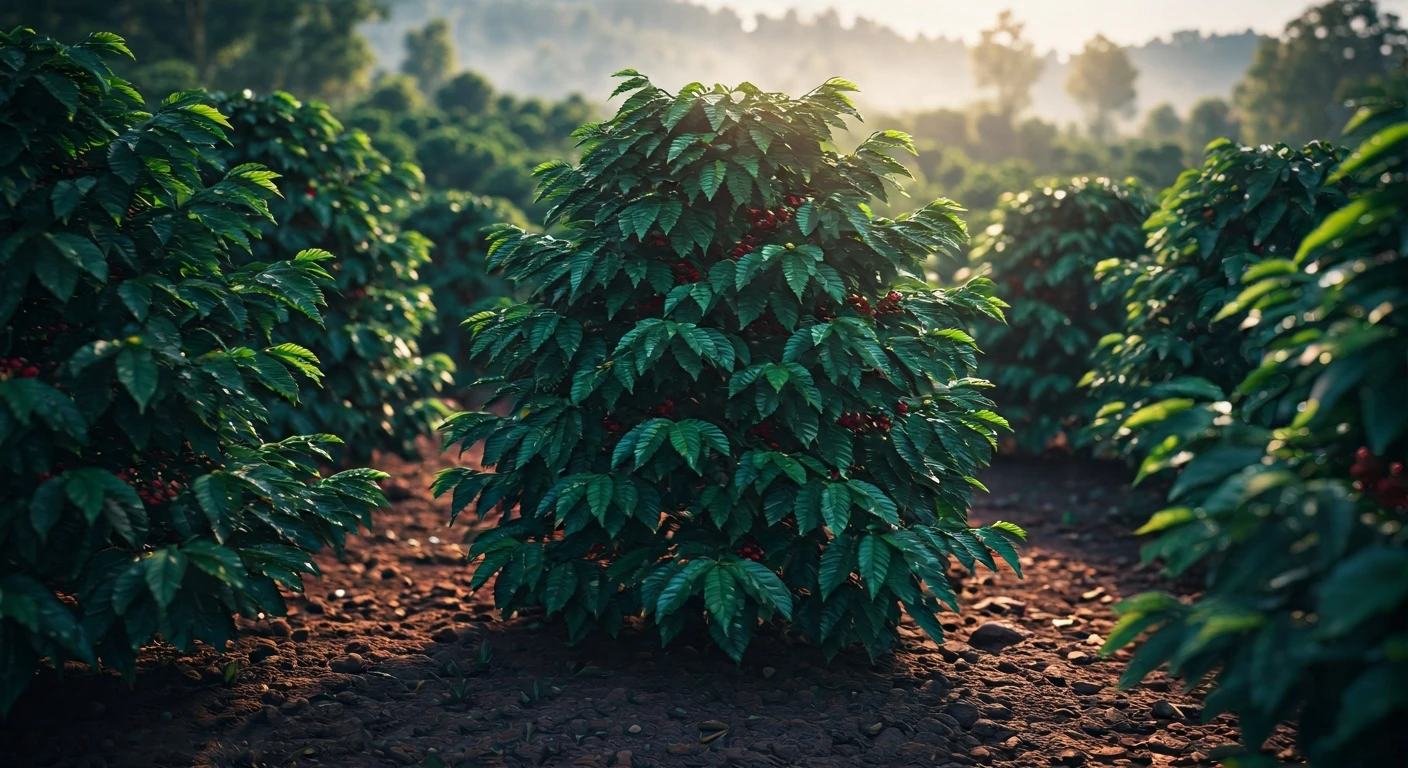
To truly tap into Coorg’s spirit, skip the generic hotels and opt for a homestay or a boutique plantation estate. These are often sprawling properties run by local families, many of whom have been cultivating coffee here for generations. This isn't just accommodation; it's an immersion. Your hosts will likely be your guides, sharing stories of the region, pointing out the difference between Robusta and Arabica plants on a walk through their estate, and, most importantly, feeding you. The homestay experience provides an unparalleled opportunity to taste authentic Kodava cuisine, cooked with a passion and expertise you’ll never find in a commercial restaurant.
Savoring the Flavors of the Hills
Coorgi food is as distinctive as its landscape. Known for its generous use of local spices, black pepper, and a unique souring agent called Kachampuli (a dark, tart vinegar made from the Garcinia gummi-gutta fruit), the cuisine is hearty and flavorful. The most iconic dish is Pandi Curry, a succulent pork dish that is rich, spicy, and unforgettable. But there's more: bamboo shoot curry, rice-based breads like Akki Roti, and an array of chutneys and pickles. And then there’s the coffee. You haven't truly tasted coffee until you’ve had a cup of filter coffee brewed from beans picked just a few hundred feet from where you're sitting. It’s the perfect companion to a misty, rain-swept afternoon.