


More Than Just a Gym in the Basement
For decades, a building’s nod to wellness began and ended with a small, windowless fitness center and maybe a pool. Today, that vision seems utterly dated. The concept of a “wellness-led space” has expanded to encompass the entire living environment.
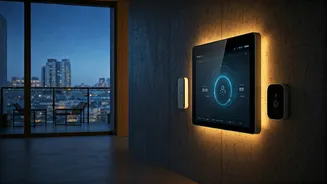
It’s a holistic approach that integrates health into the very fabric of a building’s design, from the air residents breathe to the light they see. This new paradigm treats the home as a tool for better health. Developers are now competing not just on square footage or location, but on features that promise to reduce stress, improve sleep, and boost overall vitality. This includes everything from advanced water and air filtration systems that remove pollutants and allergens to circadian rhythm lighting that mimics the natural cycle of the sun to support a healthy sleep-wake cycle. The gym has evolved, too, often replaced by expansive fitness studios offering yoga, meditation rooms, and even on-site personal trainers and nutritionists.
The Post-Pandemic Catalyst
While the wellness real estate trend was already emerging before 2020, the global pandemic acted as a massive accelerant. As people spent unprecedented amounts of time at home, the limitations of their living spaces became glaringly apparent. Homes became offices, schools, and gyms overnight, prompting a collective re-evaluation of what a home needs to provide. Suddenly, access to fresh air, natural light, and private outdoor space went from being “nice-to-haves” to essential criteria. The focus on respiratory health made indoor air quality a top concern for buyers and renters. A report from the Global Wellness Institute noted that the wellness real estate market grew significantly during this period, as the connection between our environment and our health became impossible to ignore. This shift in mindset is not temporary; it has fundamentally altered the priorities of a generation of urban homebuyers and renters, who now see their living space as a key component of their personal health infrastructure.
From Air Quality to Biophilic Design
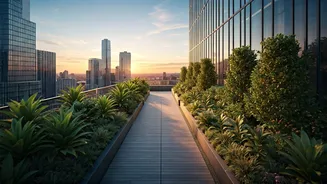
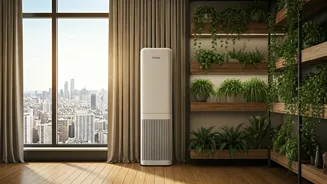
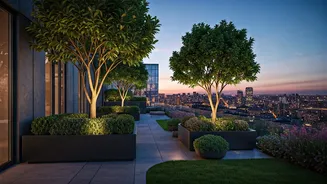
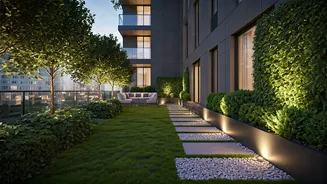
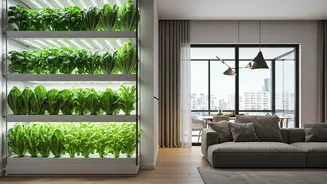
So what do these wellness-led spaces actually look like? The features range from the technological to the natural. On the high-tech end, buildings are incorporating HEPA and MERV-13+ air filtration systems, once reserved for hospitals, to capture viruses, bacteria, and allergens. Water filtration systems that remove chlorine, lead, and other contaminants are also becoming standard in luxury developments. Equally important is the integration of nature, a concept known as biophilic design. This principle centers on the idea that humans have an innate need to connect with the natural world. In an urban context, this translates to buildings with abundant green spaces, such as rooftop farms where residents can grow their own produce, communal gardens, and interior courtyards filled with plants. It also means maximizing natural light with floor-to-ceiling windows and designing spaces with natural materials like wood and stone. The goal is to create a calming, restorative environment that counteracts the stress and pollution of city life.
A Luxury Amenity or the New Standard?
Currently, many of these advanced wellness features are concentrated in the luxury sector of the real estate market. Buildings in major cities like New York, Miami, and Los Angeles are commanding premium prices for apartments and condos that are WELL Certified—a building standard that verifies a space’s impact on human health across categories like air, water, light, and mind. Developers are finding that a significant portion of the market is willing to pay more for a home that promises a healthier lifestyle. However, as with most innovations, what starts as a luxury often trickles down to the mainstream. As awareness grows and the technology behind these features becomes more affordable, elements of wellness design are likely to become standard expectations. Just as granite countertops and stainless steel appliances went from high-end upgrades to common features over time, we can expect to see things like better ventilation, more green space, and an emphasis on non-toxic materials become more widespread across different price points. The demand is being driven by a powerful and enduring human desire: the pursuit of a longer, healthier life.