


The New Rules of ‘Healthy’
For previous generations, “healthy eating” often meant calorie restriction, low-fat products, or adhering to a rigid food pyramid. For Gen Z, the definition has been completely rewritten. It’s less about deprivation and more about optimization. Their
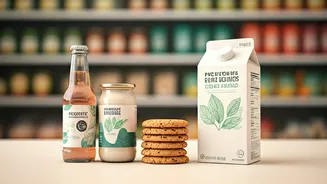
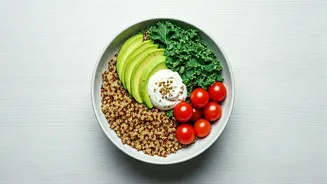
version of health is holistic, connecting physical well-being with mental clarity and even ethical considerations. This is the generation of gut health, adaptogens, and anti-inflammatory diets. They’re not just avoiding sugar; they’re adding magnesium powder to their “sleepy girl mocktails” to improve sleep quality or blending protein powder into everything from coffee to cottage cheese ice cream to hit their macros. The focus is on what food *adds* to your life—be it clearer skin, better digestion, or reduced anxiety—rather than what it takes away. This shift has turned grocery shopping into a calculated mission for clean labels, functional ingredients, and foods that promise to make you feel as good as they look.
So, What's the Drama?
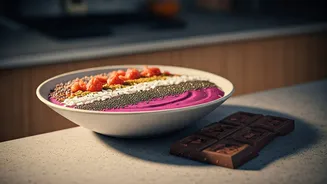
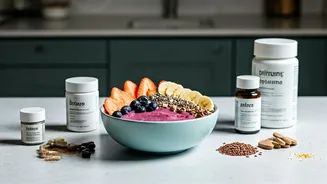
The “drama” in Gen Z’s cooking isn’t about arguments over the dinner table. It’s about performance, aesthetics, and creating a story. In the hyper-visual world of TikTok and Instagram, food has to be content first and sustenance second. The drama can be a shocking-yet-intriguing combination, like the viral trend of eating cottage cheese with mustard and raw vegetables. It’s weird, it’s debatable, and it gets people talking—and watching. Drama is also found in the hyper-stylized presentation of a “girl dinner,” a photogenic snack-plate meal that’s less a recipe and more a mood. It’s the satisfying crunch in an ASMR-style video, the mesmerizing swirl of a colorful smoothie bowl, or the confessional narrative of a “What I Eat in a Day” video that frames meals as part of a personal journey of triumph or struggle. This element turns a simple meal into an engaging plot point in the creator’s daily life, making the mundane act of eating feel significant.
Performance as the Main Ingredient
This fusion of health and drama is a direct product of growing up online. For a generation accustomed to curating a personal brand, what you eat is another facet of your identity. A green juice isn’t just a green juice; it’s a signal that you’re disciplined, health-conscious, and in control. A bizarre food concoction isn’t just a snack; it’s a sign that you’re adventurous, authentic, and don’t take yourself too seriously. The algorithm rewards engagement, and nothing drives engagement like a strong point of view. A boring plate of steamed chicken and broccoli won't go viral. But high-protein, low-calorie “cookie dough” made from cottage cheese? That’s a conversation starter. It generates questions, disgust, and devotion in equal measure. This performative aspect means that cooking is no longer a private act but a public declaration of one’s values, tastes, and creativity. It’s a way to find and build community with others who share a similar ethos, whether that’s a passion for gut health or a love for quirky snacks.
Viral Trends on a Plate
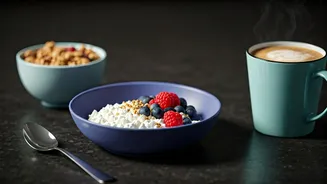
The evidence is all over our feeds. Take the aforementioned “Sleepy Girl Mocktail.” Its core ingredients—tart cherry juice and magnesium—are rooted in genuine wellness trends for improving sleep. But its popularity exploded because it was presented with a dramatic, aesthetic flair: poured into beautiful glassware, given a catchy name, and positioned as a luxurious self-care ritual. It’s health, but make it cinematic. The same goes for the cottage cheese craze. Long dismissed as a bland diet food, it was reborn as a versatile, high-protein hero ingredient for everything from pasta sauce to ice cream. The health benefit is clear (high protein, low fat), but the drama comes from its unexpected application and the subsequent online debate. Was it delicious or disgusting? This blend of utility and spectacle is the sweet spot for Gen Z food content, satisfying the desire for self-improvement while also delivering the novelty and entertainment the internet demands.