
The Comfort Food Doctrine
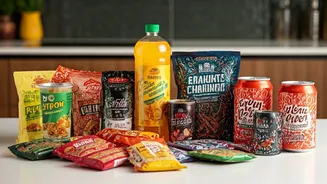
Why does a packet of Dunkaroos or a can of Surge soda spark such intense joy? The answer lies deep in our psychology. Food isn't just fuel; it's encoded with memory and emotion. Scientists call this phenomenon 'flavor-nutrient learning,' but a simpler
term is 'comfort.' Our brains form powerful associations between certain tastes and the contexts in which we first experienced them. That sugary cereal wasn't just breakfast; it was Saturday morning cartoons with no responsibilities. The oddly-shaped mac and cheese was the go-to meal after a long day of playing outside. These foods become proxies for simpler, often happier, times. When we eat them again as adults, we're not just tasting sugar and processed cheese. We're chasing the echo of a feeling—of safety, of childhood, of a world that felt a lot less complicated. This emotional connection is something that a brand-new, lab-tested, kale-and-quinoa chip can never replicate on its first try.
The Graveyard of Good Intentions
For every successful nostalgic relaunch, there's a graveyard of failed food experiments that misunderstood the consumer. The common thread? They were random, solving a problem no one had or creating a novelty no one asked for. Consider the infamous case of Heinz EZ Squirt ketchup in shades of purple, green, and teal. It was a smash hit with kids for a brief moment in the early 2000s before parents—and eventually, the kids themselves—recoiled. Why? Because ketchup is supposed to be red. The novelty wore off, but the fundamental food association remained. The same logic applies to Colgate's bizarre 1980s foray into frozen dinners, aptly named Colgate Kitchen Entrees. The brand association was so powerfully tied to toothpaste that the idea of eating a Colgate beef patty was viscerally unappealing. These products failed because they ignored the deeply ingrained rules we have about food. They were weird for the sake of being weird, without any emotional anchor to ground them.
The Resurrection Files
Contrast those failures with the modern gold rush of nostalgic revivals. General Mills brought back Dunkaroos after a relentless, years-long social media campaign from millennial fans. Coca-Cola has repeatedly teased the return of New Coke (rebranded as a retro gimmick) and Surge, its 90s-era citrus soda, to massive fanfare. McDonald's found itself at the center of a cultural firestorm when a brief mention of its 1998 Szechuan sauce in the show *Rick and Morty* created a demand so fierce it led to chaos at its restaurants. These companies didn't create a new product; they simply listened to the deafening roar of a generation yearning for a taste of its past. The marketing was already done for them, baked into the collective memory of millions of consumers. Each sale wasn't just a transaction; it was a reunion.
It’s Not Just About the Taste
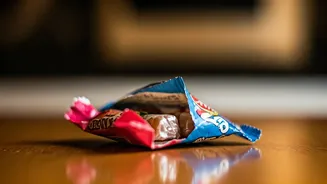
Here’s the secret: the success of these resurrected foods often has little to do with whether they are objectively 'good.' In many cases, our adult palates find these snacks overly sweet or strangely artificial. But that doesn't matter. You’re not buying a gourmet culinary experience; you’re buying a feeling. You’re buying back a piece of the person you were when you first ate it. In an era of constant change, economic uncertainty, and digital overstimulation, the predictable comfort of a known quantity is more valuable than ever. That Oreo tastes like every Oreo you've ever had. That bowl of Kraft Mac & Cheese is a direct link to your childhood kitchen. It's a culinary security blanket. Food innovators can chase the next big trend, but they'll always be competing with the ghost of every great memory a consumer has ever had.