



Welcome to Japan’s Most Famous Parking Lot
Imagine a massive, spiraling highway ramp that descends into a sprawling parking area. By day, Daikoku Futo Parking Area is just another functional piece of infrastructure, a rest stop for truckers on the Bayshore Route outside Tokyo. But on weekend nights,
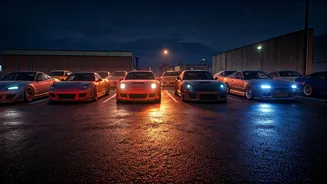
it transforms into something else entirely. It becomes the unofficial, world-famous stage for Japan’s incredible car culture. This isn’t an organized car show with entry fees and velvet ropes. It's a spontaneous, organic gathering. Car enthusiasts from all over the Kanto region converge here to show off their creations, meet with friends, and admire each other’s work. For an American traveler, stumbling upon this scene feels like you’ve found a secret level in a video game—a vibrant, pulsating world operating just beneath the surface of mainstream tourism.
The ‘Chaos’: A Symphony of Subcultures
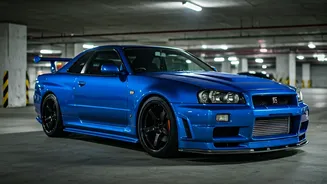
The “chaos” in the headline isn't about danger; it’s about dizzying variety. The sheer diversity of vehicles is what makes Daikoku Futo legendary. On any given night, you’ll see rival automotive philosophies parked side-by-side. Gleaming Lamborghinis with ground-shaking Liberty Walk body kits idle next to meticulously restored 1990s JDM (Japanese Domestic Market) heroes like the Nissan Skyline GT-R and Toyota Supra. You'll find vans plastered with a cacophony of lights and chrome, known as Vanning, and even the occasional Dekotora—enormous, wildly decorated transport trucks that look like mobile casinos. Then there are the truly unique Japanese styles. Kaido racers sport impossibly long exhaust pipes and dramatic, angular bodywork inspired by 1980s race cars. Itasha, literally “painful car,” are covered in colorful, elaborate decals of anime characters, a bold declaration of fandom. It’s a rolling museum of personal expression, where craftsmanship and identity are displayed on sheet metal.
The ‘Control’: Unwritten Rules and an Inevitable Finale
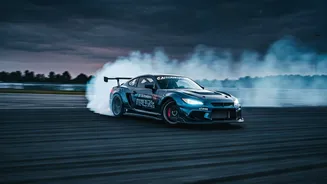
For all its visual and auditory intensity, the scene is remarkably orderly. This is the “controlled” part. There are no burnouts, no street racing, and no rowdy behavior. An unspoken code of conduct governs the lot. Everyone is there to appreciate the cars and the community. Owners are often happy to chat (or communicate through gestures) and let you take photos, as long as you ask politely. It’s a gathering built on mutual respect for the passion and effort poured into every vehicle. The ultimate form of control, however, arrives later in the evening. As the lot fills to capacity and the night wears on, the police inevitably show up. But it’s not a raid. They don’t issue tickets or make arrests. Instead, they politely use a loudspeaker to announce that the parking area is being closed. This is the universally understood signal that the party is over. Everyone packs up calmly and files out, the chaos dispersing as peacefully as it formed.
How to Add This to Your Itinerary
Experiencing Daikoku Futo requires a bit of planning. It’s not easily accessible by Japan’s famously efficient train system. The best way to get there is by car—either a rental or a taxi from a nearby station like Yokohama or Shin-Urayasu, which can be pricey. Go on a Friday or Saturday night, arriving after 8 p.m. for the best action. The scene often peaks around 10 p.m. before the police encourage everyone to head home. Remember, you are a guest in this unique space. Be respectful, keep a low profile, and don’t touch the cars. Ask for permission before taking close-up photos of people or their vehicles. By following this simple etiquette, you get to witness one of the most authentic and exciting slices of modern Japanese culture, a far cry from the standard tourist checklist.