








The Deluge of 'Wellness'
We are all living in a metaphorical monsoon of wellness advice. Every day, we’re drenched with information about new superfoods, ancient herbs rediscovered, high-tech biohacking gadgets, and celebrity-endorsed detox teas. Instagram feeds are a flood of influencers
promoting electrolyte powders, lymphatic drainage routines, and infrared sauna blankets. The message is relentless and clear: you are not doing enough. Your health is a complex problem that can only be solved by purchasing this tincture, subscribing to that app, or adopting this 30-step morning routine. This wellness-industrial complex thrives on manufactured anxiety. It convinces us that our body’s natural processes are insufficient and require constant, expensive intervention. We're told that regular sleep isn’t enough; we need a sleep-tracking ring and magnesium-infused body spray. A balanced meal is fine, but a personalized, algorithm-driven meal plan with supplemental green powders is better. The result? We’re overwhelmed, confused, and often spending money on solutions to problems we don’t actually have.
The 'Clean Water' Test
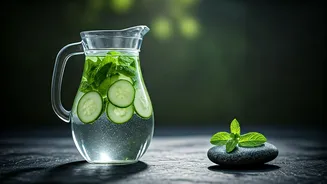
Now, let’s return to that monsoon. When conditions are at their most extreme, our priorities become crystal clear. You don't worry about optimizing your ketone levels; you worry about finding shelter and a safe source of hydration. This is the 'Clean Water' test, and it’s a brilliant filter for your own life. When you feel overwhelmed by choices or pressured to buy the next big thing in wellness, ask yourself: have I covered the absolute basics? Before you spend $200 on an IV vitamin drip because you feel sluggish, ask: 'Did I get more than five hours of sleep last night? Have I had a glass of water in the last four hours? Did I eat a vegetable today?' More often than not, the fatigue, brain fog, and general 'blah' feeling we’re trying to solve with a fancy supplement is really just our body's way of asking for the simple stuff. The 'monsoon' of daily life—work stress, family obligations, financial pressures—is disorienting enough. Piling on complicated and unproven wellness rituals only adds to the noise. Focusing on 'clean water' strips it all away, revealing what truly matters for survival and well-being.
Rediscovering the Foundational Pillars
The good news is that the most effective health interventions are free or low-cost, universally available, and backed by decades of science. They just aren't as sexy to market as a nootropic mushroom blend. * **Hydration:** Water is the original wellness drink. It's essential for energy, brain function, digestion, and skin health. Before reaching for a pricey electrolyte packet, just drink a glass of water. * **Sleep:** This is your body's non-negotiable repair cycle. No amount of cold plunging can replace the cognitive and physical restoration that happens during 7-9 hours of quality sleep. * **Movement:** You don’t need a boutique fitness membership. A daily walk is one of the most powerful things you can do for your physical and mental health. It improves cardiovascular health, boosts mood, and reduces stress. * **Nourishment:** Forget restrictive diets and expensive powders. Focus on eating whole foods—fruits, vegetables, lean proteins, and whole grains. A colorful plate is a better indicator of health than a pantry full of supplements. These are the bedrock of health. They are the 'clean water' and 'sturdy shelter' of your well-being. Master these, and you’ll find that 90% of the fancy wellness advice becomes irrelevant.
When to Look Beyond the Basics
This isn't to say there's no place for anything beyond the fundamentals. If you have a specific, diagnosed nutrient deficiency, a supplement can be a lifesaver. A great massage can do wonders for stress. A fitness class you love can be a fantastic source of motivation and community. The key is the order of operations. These things should be add-ons, not replacements for the basics. They are the enhancements you consider *after* you’ve built a solid foundation. Don’t try to hang expensive art on a wall that’s about to collapse. First, secure the foundation. Drink your water. Get some sleep. Go for a walk. Then, and only then, should you worry about whether your coffee contains adaptogenic mushrooms.