






The Big One: Europe’s New Travel Rule
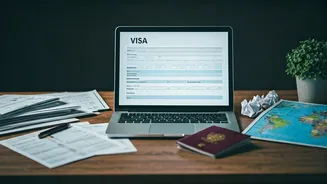
The most significant change on the horizon for U.S. passport holders is the European Travel Information and Authorization System (ETIAS). For years, Americans have enjoyed visa-free travel to most of Europe for short stays. Soon, that will change—slightly.
ETIAS is not a traditional visa but a mandatory online travel authorization, similar to the ESTA system the U.S. uses. You’ll need to fill out an online application and pay a small fee (currently projected to be around €7) before you fly. The good news? Its implementation has been delayed again. Originally planned for 2024, it’s now expected to launch in mid-2025. For now, you can travel to the Schengen Area as you always have, but be prepared for this new step in the near future.
Visa Rules Are Tightening Elsewhere
Europe isn't the only place adjusting its entry requirements. Brazil, a popular destination for American tourists, recently reinstated its visa requirement for citizens of the U.S., Canada, and Australia. The policy has had a rocky rollout, with multiple delays, but the latest plan requires travelers to secure an e-visa before their trip. The cost is approximately $85 for a visa that will be valid for 10 years. This reversal serves as a critical reminder: never assume entry rules are the same as your last visit. Always check the U.S. Department of State's website and the official embassy or consulate page for your destination country well before booking flights or accommodations.
Your Face Is Becoming Your Boarding Pass
The next time you go through a TSA checkpoint, you may not need to show your ID or boarding pass. The TSA is rapidly expanding its use of biometric technology, using facial recognition to verify travelers' identities at security checkpoints, bag drops, and boarding gates. More than 200 U.S. airports are now using this technology in some capacity. Proponents say it strengthens security and speeds up the process. While you can opt out and request a manual check, the system is designed to be the default. This shift is part of a broader trend toward a more automated, touchless airport experience, integrating with programs like Global Entry and CLEAR for an even faster journey.
Pardon Our Dust: Airport Construction Chaos
America's airports are in the midst of a massive, multi-billion dollar makeover. From New York's JFK and LaGuardia to Los Angeles (LAX) and Chicago's O'Hare (ORD), major hubs are being completely reimagined. While the end result promises better terminals, improved transportation, and more amenities, the process is causing significant disruption. Travelers should brace for roadway congestion, closed parking lots, temporary terminals, and longer walks between gates. The golden rule of arriving two hours early for a domestic flight is becoming outdated. For major airports under construction, adding an extra hour to your timeline is a wise and stress-saving strategy. Check your airport's website before you leave home for the latest alerts on construction impacts.
Leave Your Cash at Home
One subtle but important airport trend is the move toward a cashless environment. An increasing number of airport vendors, from coffee shops to newsstands, are no longer accepting cash. This speeds up transactions and reduces contact, but it can catch unprepared travelers off guard. While some airports have installed “reverse ATMs” where you can convert cash into a prepaid debit card, it's an extra hassle. The easiest way to avoid any issues is to ensure you have a credit card, debit card, or mobile payment option like Apple Pay or Google Pay ready when you're at the airport.