
First, What Is 'Premiumisation'?
In the business world, they call it “premiumisation.” It’s a fancy word for a simple idea: we’re increasingly willing to pay more for things that feel a little bit better, special, or more valuable. This isn’t about old-school luxury like caviar and champagne
for the 1%. It’s about the everyday consumer “trading up” from a standard product to a more premium version. Think swapping your Folgers coffee for single-origin, pour-over beans from a local roaster, or choosing the grass-fed, pasture-raised ground beef instead of the generic alternative. This trend has been bubbling up for years, but it’s now a dominant force in the food and beverage industry. It’s a move away from simply buying calories and toward buying a story, a value system, and a better-tasting product all at once.
The New Definition of Quality
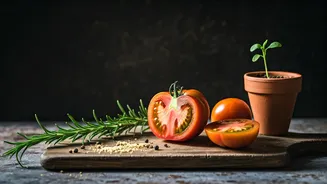
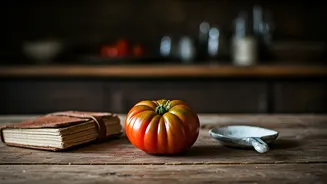
A decade ago, “quality” in food might have just meant it tasted good and was safe to eat. Today, the definition has expanded dramatically. Quality is now a complex blend of tangible and intangible factors. It’s about transparency and traceability—consumers want to know the story behind their food. Where did this chicken come from? How were these vegetables grown? Who made this cheese? This desire for knowledge has supercharged the demand for products with clean labels, meaning shorter ingredient lists with recognizable items. It's why terms like “organic,” “non-GMO,” “ethically sourced,” and “sustainably farmed” have moved from niche health food stores to the main aisles of every major supermarket. We’re not just buying a tomato; we’re buying an heirloom tomato grown by a local farmer without pesticides, and we’re willing to pay a premium for the peace of mind and superior flavor that story provides. This version of quality is less about status and more about trust and personal values.
It's Not Just What You Eat, But How
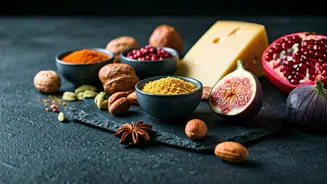
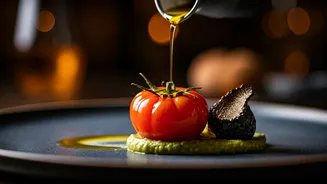
The second major driver is experience. In an increasingly digital world, we crave tangible, memorable moments, and food is a primary vehicle for them. This plays out in two ways: at home and when dining out. At home, it’s about the ritual. It’s the experience of using a high-quality Japanese chef’s knife, the aroma of a simmering sauce made from artisanal pasta, or the social joy of assembling a beautiful charcuterie board with carefully selected meats and cheeses. Brands are selling not just a product, but an elevated home experience. Think of meal kits that promise a “chef-quality” dinner without the hassle, or cocktail kits that turn your kitchen counter into a craft bar. When we go out, the experience is even more central. Restaurants are no longer just places to eat; they are stages for culinary theater. Open kitchens, chef’s tasting menus, and hyper-local sourcing all contribute to a narrative that makes the meal feel special and worth the price. The experience becomes as important, if not more so, than the food on the plate.
Why We're Willing to Pay More
So, what’s behind this collective willingness to splurge on our food? It’s a mix of cultural and economic shifts. For one, many people, particularly younger consumers, are prioritizing spending on experiences over material goods. A memorable meal or a high-quality bottle of wine is seen as a better investment than a piece of fast fashion. There’s also a psychological component. In an age of mass production, choosing a small-batch, artisanal product is an act of individuality. It’s a form of self-care and a way to signal our values to the world. By buying that organic, fair-trade chocolate, we’re telling a story about ourselves: we’re conscious, we have good taste, and we care about the world. This emotional return on investment is often what justifies the higher price tag in our minds. Food has become a key part of our personal brand.