



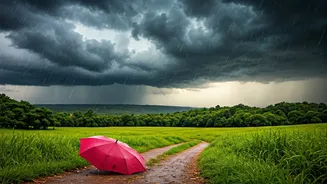
The Great Transformation
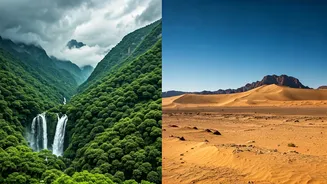
For much of the year, the hills of the Western Ghats—a rugged mountain range running parallel to India’s western coast—are parched and brown, sleeping under a hot sun. But from June to September, the annual monsoon rolls in from the Arabian Sea, and a profound
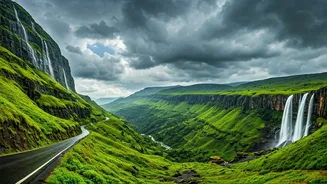
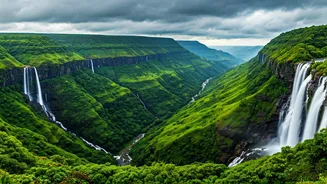
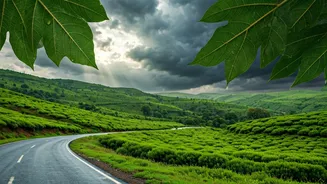
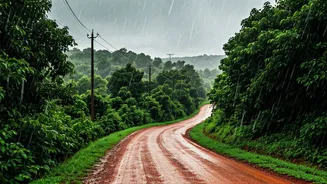
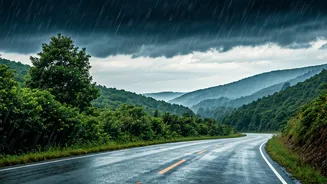
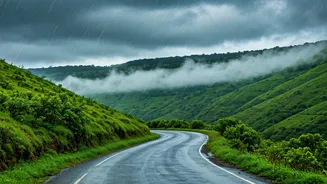
metamorphosis occurs. This isn’t just rain; it’s a life force. The downpours are relentless, soaking the volcanic rock and awakening a dormant world. Within weeks, every inch of the landscape erupts in a vibrant, almost fluorescent green. The air grows thick with the smell of wet earth and fresh foliage, and a region that was quiet and still now hums with the sound of water everywhere.
Rivers Born from the Sky
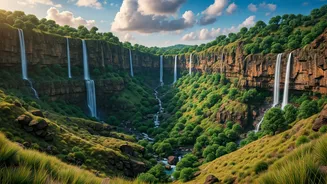
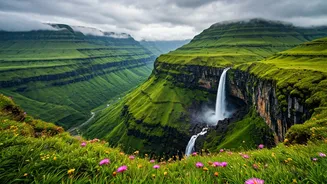
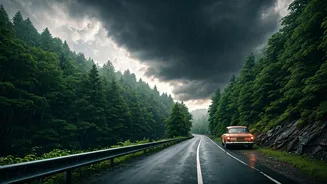
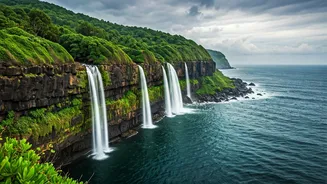
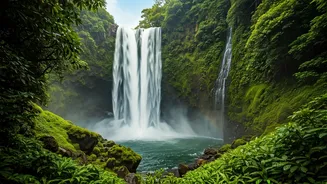
The most dramatic result of this seasonal deluge is the sudden appearance of countless waterfalls. These are not the permanent, named waterfalls you might find in a national park. Instead, these are ephemeral spectacles, born directly from the sheer volume of rain overwhelming the mountainsides. Driving along the winding roads of mountain passes, known locally as ‘ghats,’ becomes a journey through a water-world. Silvery ribbons of water cascade down sheer rock faces where moments before there was only stone. Tiny rivulets and mighty torrents alike carve temporary paths, tumbling hundreds of feet into the lush valleys below. In places like the Tamhini Ghat or Malshej Ghat, the landscape is streaked with so many waterfalls it’s impossible to count them, creating a scene of raw, staggering natural power.
Water That Defies Gravity
Among the thousands of cascades, one phenomenon stands out as particularly mind-bending: the “reverse waterfall.” In specific locations like Naneghat, near Mumbai, the monsoon winds funneling through the mountain passes are so powerful they can stop a waterfall in its tracks. As water crests the edge of a cliff to begin its descent, ferocious updrafts catch the stream, blasting it upwards in a chaotic, atomized spray that looks like a waterfall flowing in reverse. It’s a surreal spectacle where the basic laws of physics seem momentarily suspended. Tourists and locals gather, leaning into the powerful gusts, to witness this rare and beautiful defiance of gravity—a misty, churning plume where a cascade ought to be.
A Seasonal Pilgrimage
For the millions living in nearby megacities like Mumbai and Pune, the monsoon’s arrival in the Ghats is a celebrated event. It marks an escape from the sweltering pre-monsoon heat and an opportunity for a unique form of seasonal tourism. On weekends, convoys of cars and motorcycles snake their way up the mountain roads. Roadside stalls pop up, selling roasted corn on the cob (‘bhutta’) and hot tea (‘chai’) to visitors who have come simply to stand in the rain, feel the spray of the falls, and watch the landscape come alive. This isn't a passive sightseeing trip; it’s an immersive, multi-sensory experience. It’s a chance to connect with a fundamental cycle of nature that is both destructive and deeply creative, washing the world clean and revealing its hidden splendor.