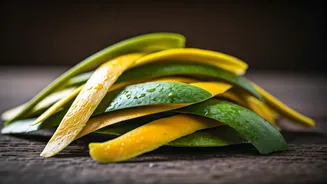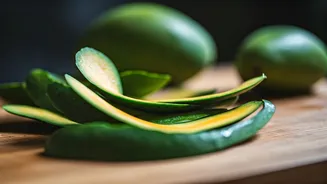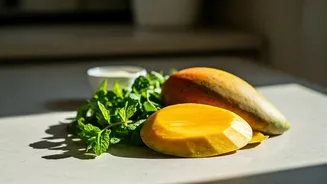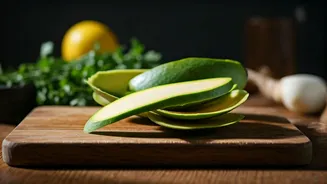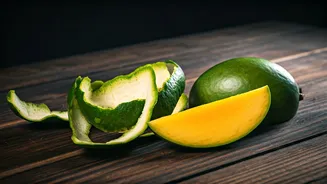



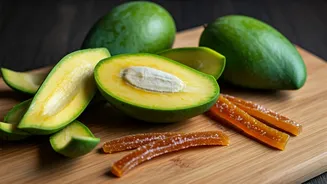
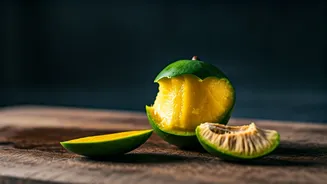
The Hidden Nutritional Goldmine
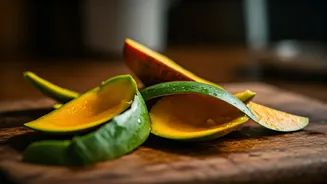
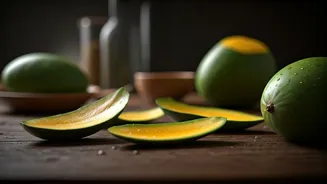
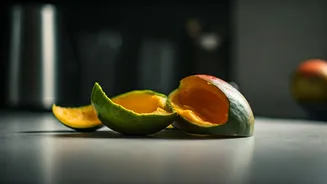
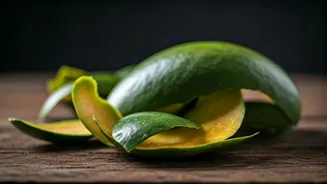
We've been trained to think of fruit peels as a barrier, not an ingredient. But in the case of mangoes, the skin is a nutritional powerhouse. It’s densely packed with fiber, which is great for digestive health, and it boasts a higher concentration of antioxidants
like polyphenols and carotenoids than the flesh itself. These compounds are celebrated for their ability to fight cellular damage. The peel also contains significant amounts of vitamin C and vitamin E, making it a surprisingly potent part of the fruit that typically ends up in the trash.
A Quick Word of Caution
Before you dive in, there’s a crucial consideration. Mango skin contains urushiol, the same compound found in poison ivy and poison oak. For most people, the amount is negligible and causes no issues. However, if you have a known sensitivity to poison ivy or have experienced a rash from handling mangoes before, you should absolutely avoid eating the peels. For everyone else, it’s wise to start small. Try a little bit and see how you feel. To minimize any potential reaction and remove pesticides, always wash mangoes thoroughly and opt for organic fruits whenever possible, especially if you plan to consume the skin.
Make a Zesty Mango Peel Infusion or Tea
One of the easiest ways to harness the peel’s flavor is by making an infusion. The raw peel imparts a wonderfully complex, slightly bitter, and floral tang that the sweet flesh lacks. Simply add the clean peels of one mango to a pitcher of cold water and let it steep in the refrigerator for a few hours. The result is a refreshing, subtly flavored water perfect for a hot day. For a warm beverage, try a mango peel tea. Simmer the fresh peels in a small pot of water for 5-10 minutes with a knob of ginger or a few mint leaves. The resulting tea is aromatic and soothing, with a unique flavor that is both fruity and herbaceous. Strain and enjoy it plain or with a touch of honey.
Create a Tangy Mango Peel Powder
For a more shelf-stable secret weapon, turn your peels into a zesty powder. First, ensure the peels are completely clean. You can scrape off any remaining fruit flesh if you wish. Lay the peels in a single layer on a baking sheet and bake at your oven's lowest temperature (usually 170-200°F) for several hours until they are completely dry and brittle. Alternatively, use a food dehydrator. Once they are bone-dry, let them cool completely. Then, blitz them in a spice grinder or a high-powered blender until you have a fine powder. This mango peel powder is a fantastic finishing salt or spice. Mix it with chili powder and salt to create a custom seasoning for grilled chicken or fish, or blend it with sugar to rim the glass of a margarita or a spicy mocktail. Its concentrated tangy flavor adds an unexpected pop to almost anything.
Quick-Pickle for a Crunchy Garnish
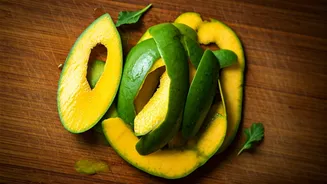
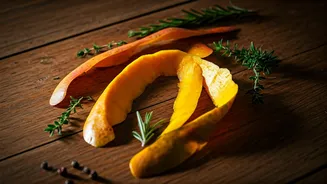
Pickling transforms the texture of the mango peel from tough to delightfully chewy and crisp. Cut the clean peels into thin slivers. In a small saucepan, create a simple brine by heating equal parts white vinegar and water with a spoonful of sugar and a pinch of salt until dissolved. You can add other flavorings like a crushed garlic clove, a few peppercorns, or a slice of jalapeño. Pour the hot brine over the mango peel slivers in a glass jar, seal it, and let it cool. Refrigerate for at least a few hours, though the flavor improves after a full day. These quick-pickled peels are an incredible garnish. Their sweet, sour, and tangy crunch is a perfect counterpoint on tacos, grain bowls, sandwiches, or scattered over a fresh salad.