





More Than Just Muscle
The goals of strength training have long been tied to performance and appearance. People lift to get stronger for a sport, run faster, or achieve a certain physique. While those are all valid motivations, they only tell part of the story. The new, and arguably
more important, conversation is about longevity. It’s a pivot from thinking about how your body looks to how it functions—and how it will continue to function for decades to come. This isn't about vanity; it’s about vitality. The understanding that a strong skeleton is the foundation for a durable, resilient body is moving from the fringes of clinical knowledge into mainstream fitness culture.
Your Body's 'Use It or Lose It' Policy
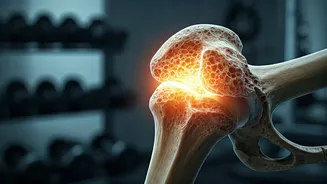
So, why the sudden focus on bones? Our skeletons are living tissue, constantly breaking down and rebuilding. When we’re young, we build more bone than we lose, reaching peak bone mass in our late 20s. After that, the balance slowly shifts, and we begin to lose density over time. This can eventually lead to osteopenia (low bone mass) or osteoporosis, a condition where bones become weak and brittle, dramatically increasing fracture risk. The good news is that bone, like muscle, responds to stress. The principle is simple: when you apply force to your bones through resistance training, your body responds by stimulating cells that build bone. It’s the ultimate 'use it or lose it' system. By not challenging your skeleton, you’re tacitly telling your body it doesn't need to maintain its strength.
The Best Lifts for Your Skeleton
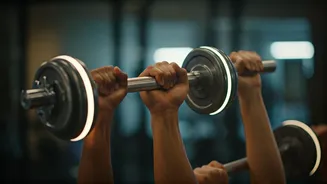
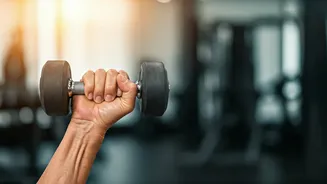
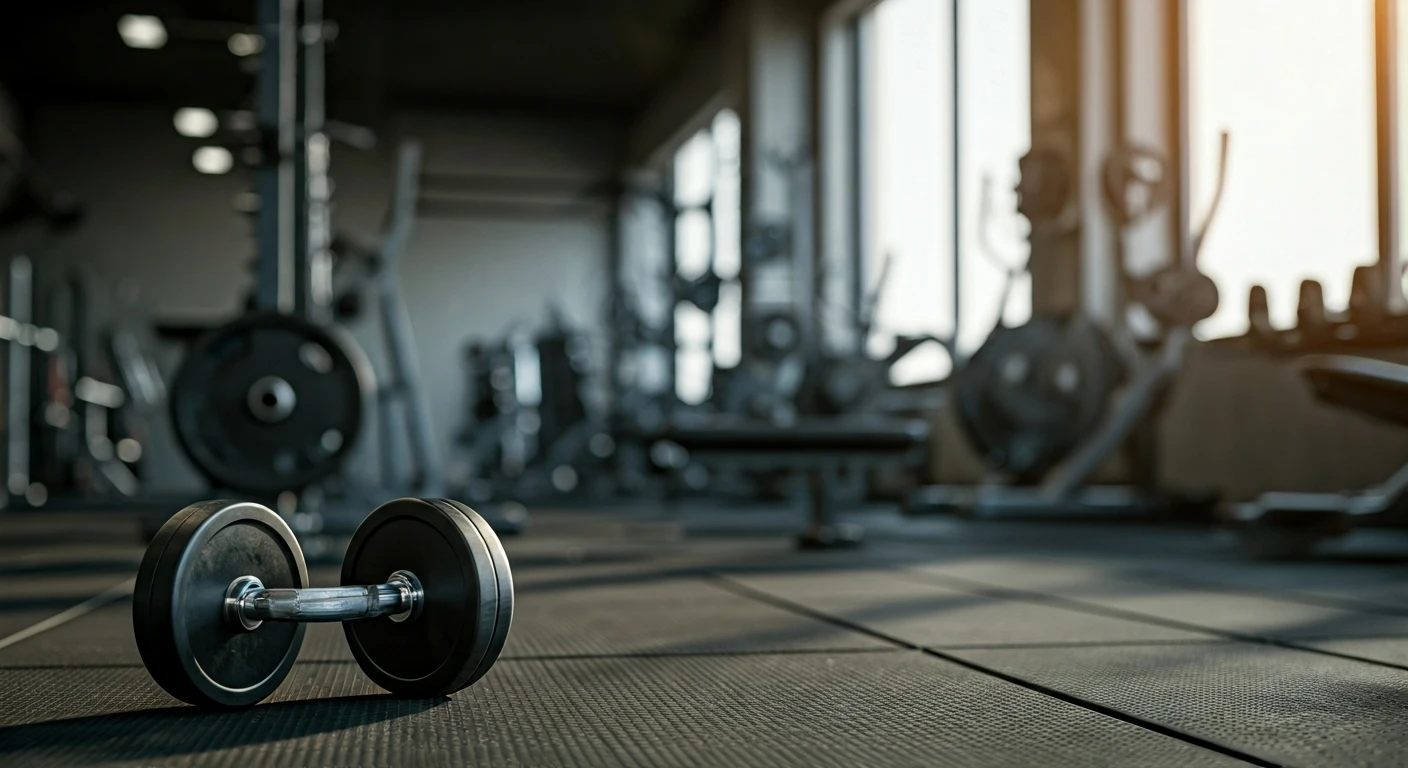
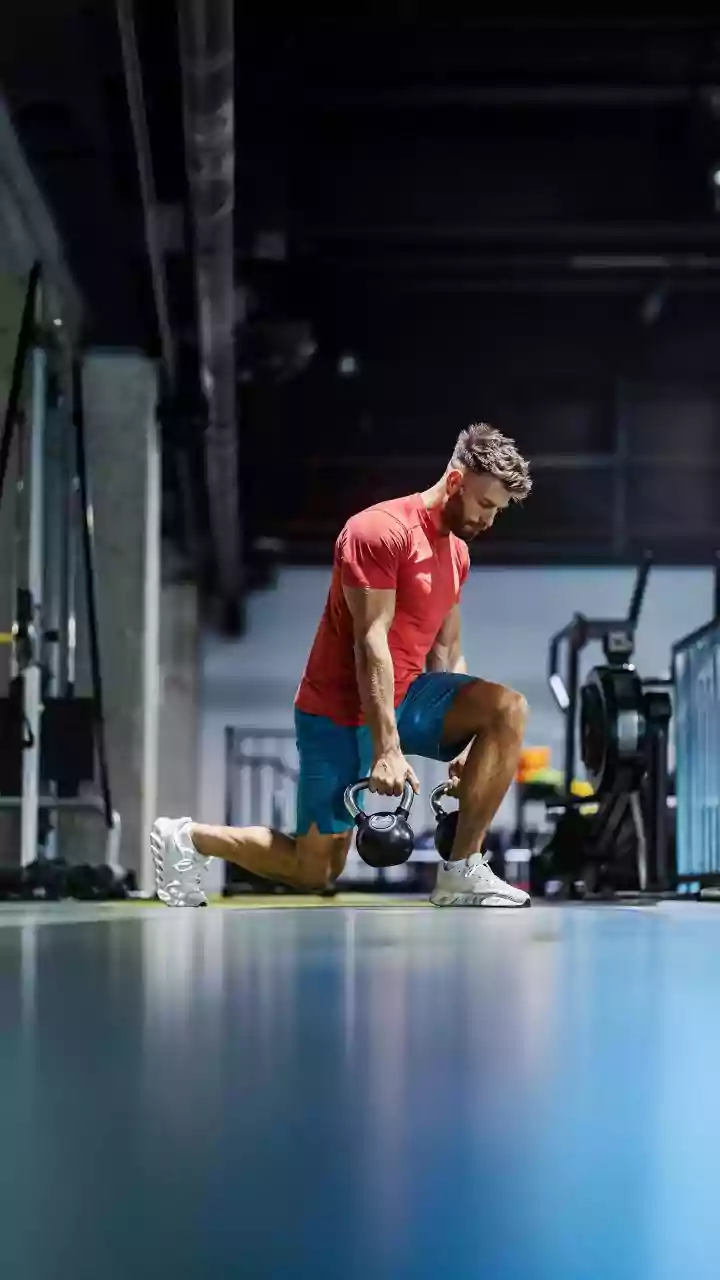
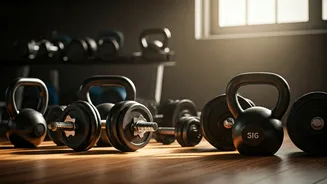
Not all exercise is created equal when it comes to bone building. While activities like swimming and cycling are great for cardiovascular health, they don’t provide the load-bearing stress needed to stimulate bone growth. The most effective exercises are those that load the spine and hips, where age-related bone loss is most common and fractures are most debilitating. Think foundational, compound movements: squats, deadlifts, lunges, and overhead presses. You don't need to become a competitive powerlifter. The key is progressive overload—gradually increasing the weight or resistance over time. Even using dumbbells, kettlebells, or your own body weight with sufficient intensity sends the right signal to your bones: 'Get stronger.'
Why This Conversation is Happening Now
This shift is driven by a perfect storm of demographic and cultural trends. Millennials are now entering their 40s, an age where long-term health becomes a more tangible concern. Meanwhile, Gen X and Baby Boomers are determined to remain active and independent as they age, and they're looking for sustainable ways to do so. The wellness industry has also matured, moving beyond quick fixes and aesthetic fads toward a more holistic view of health that encompasses mental wellness, mobility, and longevity. Information is more accessible than ever, and people are increasingly empowered to take control of their health. The idea of lifting weights to prevent a fall in 30 years is no longer a niche concept; it's becoming a central pillar of smart, forward-thinking fitness.