






First, What Is Functional Movement?
Let’s clear this up. Think of traditional gym machines: the leg extension, the chest press, the bicep curl. They’re designed to isolate and work a single muscle or muscle group. It’s a very specific, controlled, and, well, stiff way of exercising. Functional
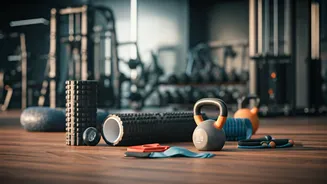
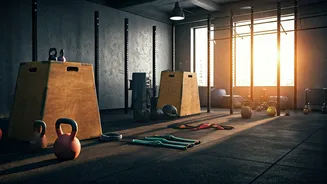
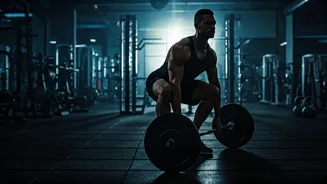
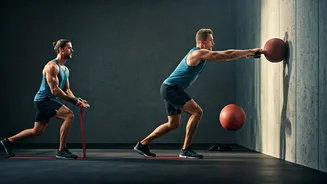
movement is the opposite. It involves training your body for activities performed in daily life. It’s about compound movements that engage multiple muscle groups and joints at once—think squatting, lifting, pushing, pulling, and twisting. A kettlebell swing, a burpee, or even a fast-paced yoga flow are all forms of functional movement. The goal isn't just to build a bigger bicep; it’s to make it easier to carry all your groceries in one trip, lift a suitcase into an overhead bin, or play a pickup game of basketball without pulling something.
The Quest for Real-World Capability
For many younger people, fitness is less about aesthetic perfection and more about physical competence. They want to be able to *do* things. This generation values experiences over possessions, and that mindset extends to their bodies. A workout routine based on functional movement directly translates into better performance in hobbies like hiking, climbing, skiing, or team sports. Why spend an hour on machines that make you better at… sitting on machines? Functional training builds a foundation of strength, coordination, balance, and mobility that makes you more resilient and capable in every aspect of life. It’s the difference between training for the mirror and training for the mountain.
It’s About Community, Not Isolation
One of the biggest knocks on machine-based workouts is that they are inherently solitary. You put on your headphones, find an open machine, and exist in your own bubble. That’s the opposite of what many young people are seeking. The rise of boutique fitness studios like CrossFit, F45, and Orangetheory is built on this desire for community. These workouts are almost entirely based on functional movements performed in a group setting. You suffer together, you celebrate personal records together, and you build relationships. This social component is a powerful motivator. It turns a workout from a lonely chore into a shared experience, providing accountability and a sense of belonging that a row of selectorized machines simply can't offer.
Made for the Social Media Age
Let’s be honest: a video of someone doing a clean and jerk, a box jump, or a complex yoga pose is far more visually interesting than a 15-second clip of a pec deck machine. Social media platforms like TikTok and Instagram reward dynamic, skillful, and engaging content. The fitness influencers who resonate most with younger audiences are often showcasing incredible feats of bodyweight strength, mobility, and coordination. This creates a feedback loop: people see what’s possible with functional training and are inspired to develop those skills themselves. It’s a more athletic and playful vision of fitness that feels more authentic and inspiring than the static, posed bodybuilding shots of a previous era.
Engaging the Mind, Not Just the Muscles
Finally, there’s the element of mental engagement. Performing a set of 10 on a machine can be mindless. But learning to properly swing a kettlebell, nail a pull-up, or master a new gymnastic movement requires focus, concentration, and problem-solving. This mind-body connection makes the workout more engaging and rewarding. It feels less like work and more like play, or a moving meditation. In a world of constant digital distraction, a workout that demands your full attention can be a welcome escape. It’s a chance to get out of your head and into your body, learning a new skill and building confidence along the way.