


The Sensory Overload Advantage
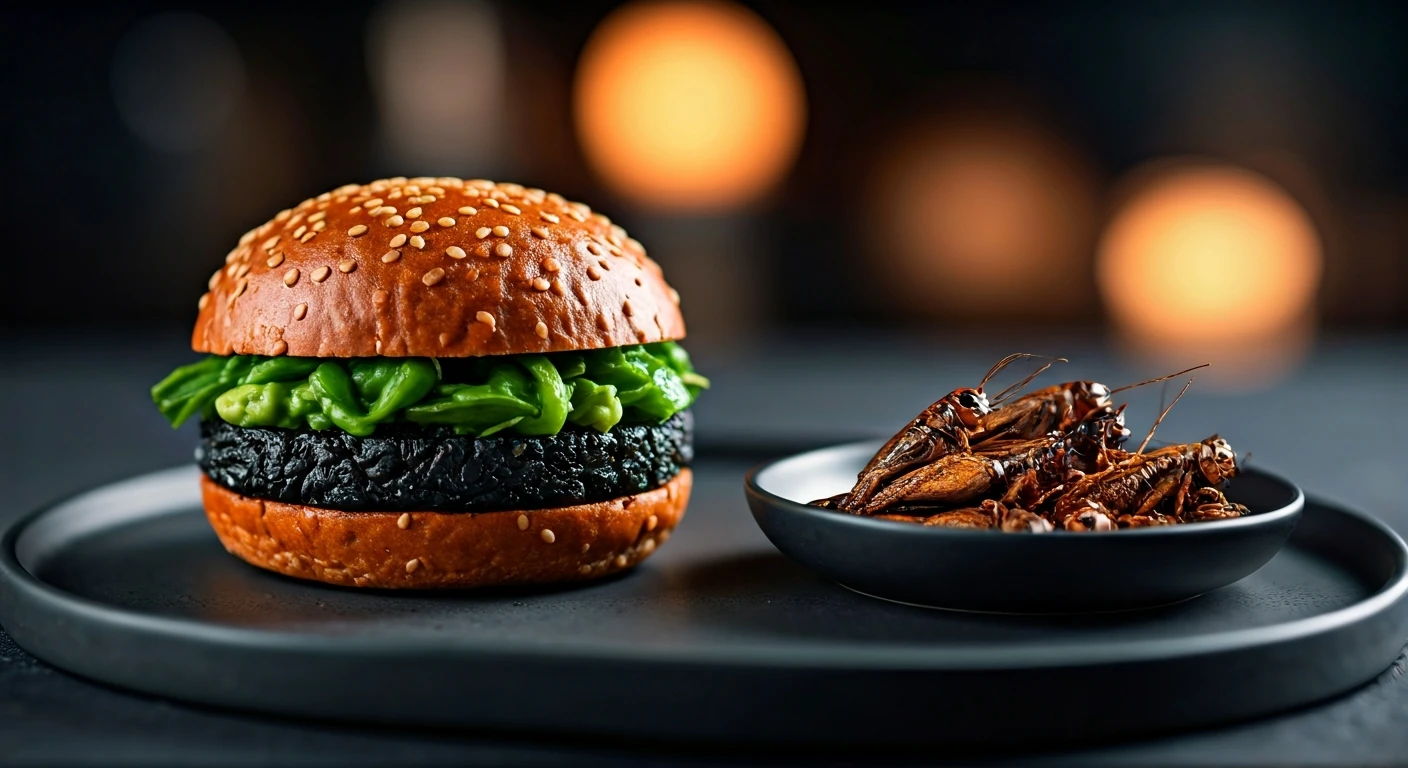
Market research reports can tell you that “alternative proteins” are trending, but they can’t tell you what a cricket-flour puff tastes like, or how a new pea-based milk feels in your mouth compared to an oat-based one. This is the first and most crucial
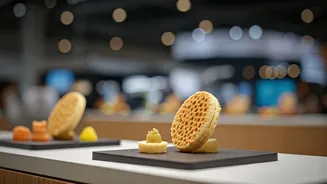
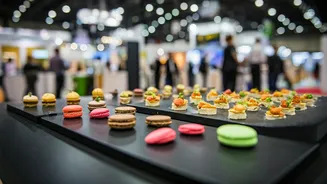
advantage of an expo. In a single afternoon, you can walk aisles packed with thousands of products, engaging in the most effective form of research: tasting. You can sample dozens of new kombucha flavors, compare five different brands of mushroom coffee, and try hot sauces you never knew existed. This sensory data is immediate and visceral. It allows you to understand a trend not as an abstract concept, but as a tangible product with a specific flavor profile, texture, and aftertaste. You’re not just reading about the future of food; you’re putting it on your tongue.
An Unfiltered, Real-Time Feedback Loop
At an expo like the Fancy Food Show or Natural Products Expo West, you’re not just a passive observer; you’re part of a massive, live focus group. You have direct access to the most valuable sources of information: the founders themselves. Standing at their booths, they’ll tell you their origin story, their sourcing challenges, and their vision for the brand. This is qualitative data you can’t get anywhere else. Even more valuable is observing the interactions around you. Listen to the questions that retail buyers from major chains are asking. What are their concerns? What gets them excited? Watch which booths are swarmed with attendees and which are empty. The collective buzz of the crowd is an organic, unfiltered indicator of what’s truly generating excitement versus what’s just industry hype.
The Entire Competitive Landscape in One Room
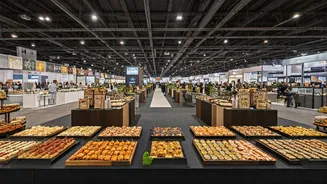
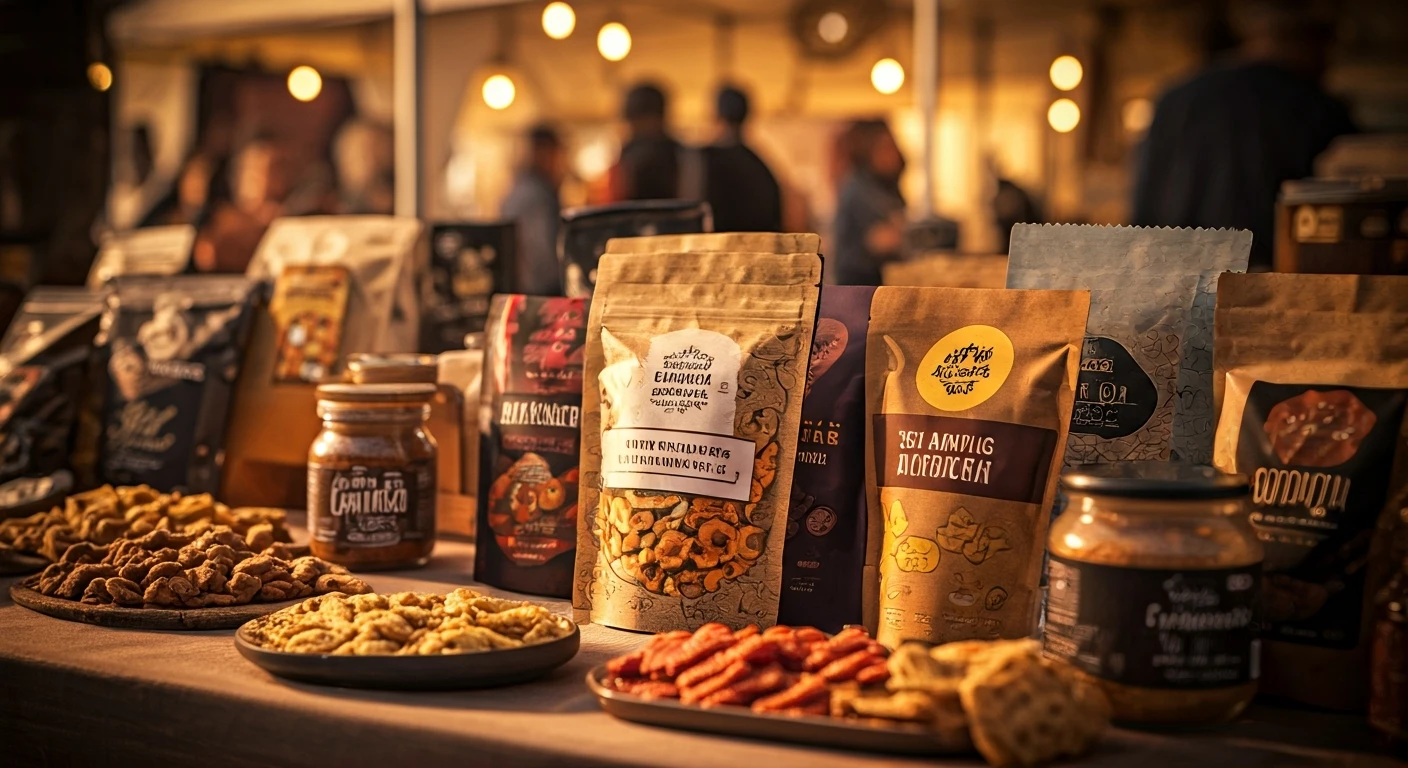
Thinking of launching a line of low-sugar sodas? At an F&B expo, you can instantly see every other brand playing in that space. You can assess their branding, their packaging, their price point, and their unique selling proposition side-by-side. It’s a living, breathing map of the competitive landscape. This allows you to spot gaps in the market with incredible efficiency. Maybe everyone is focused on fruity flavors, but nobody is doing savory or botanical profiles. Perhaps all the packaging looks the same, offering an opportunity for a disruptive design. This kind of competitive intelligence would normally take weeks of painstaking online research. At an expo, it’s a simple matter of walking from one aisle to the next, giving you a powerful strategic advantage before you’ve even spent a dollar on development.
Spotting the Patterns Beyond the Product
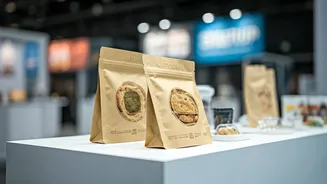
Advanced trend testing at an expo goes beyond just the food itself. It’s about recognizing the macro-patterns that connect different categories. Pay attention to the language on the packaging. Are words like “upcycled,” “regenerative,” or “adaptogenic” appearing everywhere? That’s a signal of a broader consumer value shift. Look at the packaging materials. Is there a move away from plastic toward compostable or infinitely recyclable materials? Notice the color palettes and graphic design styles. These visual trends often precede mass-market adoption. By identifying these cross-category patterns, you’re not just spotting a product trend; you’re understanding the deeper cultural currents that will shape consumer behavior for years to come. This is how you move from being reactive to proactive.
How to 'Work' the Expo for Maximum Insight
Attending an expo without a plan is a recipe for exhaustion. To make it a true research shortcut, you need a strategy. First, walk the perimeter and the “new exhibitor” aisles. This is often where the most innovative and hungriest young brands are. Second, listen more than you talk. Your goal is to absorb information, not to sell your own idea. Third, take visual notes. Snap photos of products, booths, and branding that catch your eye and add a quick voice memo about why it stood out. Finally, look for the 'solution,' not just the product. Is a new snack solving the problem of healthy on-the-go eating for kids? Is a new drink solving the desire for a non-alcoholic cocktail experience? The most successful trends solve a real problem for a specific person.