




An Old Idea with New Urgency
The term 'hill station' might conjure images of the British Raj, where colonial administrators fled the sweltering plains of India for the cool air of Shimla or Darjeeling. These weren't just vacation spots; they were administrative and social nerve centers
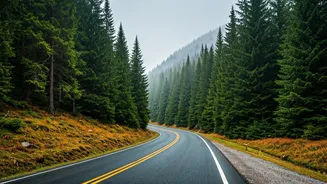
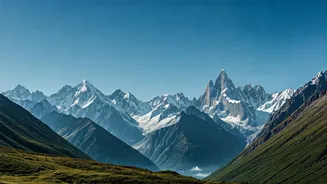
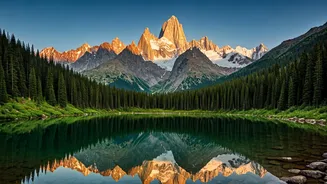
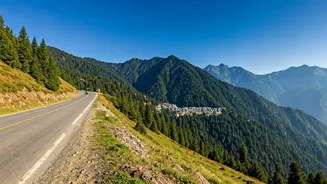
built out of a perceived necessity—to escape disease, discomfort, and the oppressive heat that threatened their well-being. Today, a similar impulse is taking root in the United States. As summers become hotter, longer, and more dangerous, Americans are increasingly viewing mountain towns not as a quaint indulgence, but as a vital refuge. The annual migration to places like Aspen, the Catskills, or the Blue Ridge Mountains is shifting from a status symbol to a survival strategy.
Driven by Climate and Culture
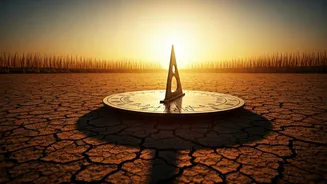
Two powerful forces are driving this trend. The first is undeniably climate change. Record-breaking heatwaves are no longer a statistical anomaly; they are the new summer normal for millions. When cities like Phoenix, Dallas, and Miami become unbearable concrete ovens, the 15- or 20-degree temperature drop offered by a town at 7,000 feet of elevation feels like a different planet. News reports on 'smoke-skies' and 'heat domes' are the most effective marketing campaign the Rockies and Appalachians could ever ask for. The second force is cultural, accelerated by the pandemic. The rise of remote work has untethered millions from a specific location. If you can answer emails from anywhere, why not do it where you can also hike after work without risking heatstroke? This newfound flexibility allows people to act on the impulse to flee, turning a two-week vacation into a two-month residency.
More Than Just Cool Air
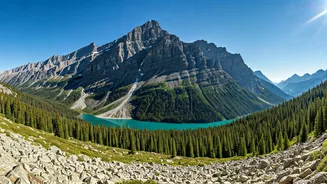
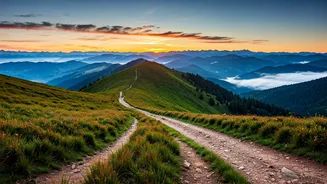
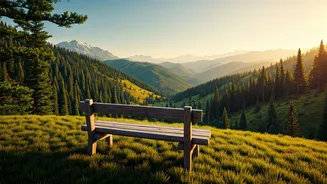
Of course, the appeal of these places goes beyond a pleasant reading on the thermometer. They offer a powerful psychological reset. The concept of 'biophilia,' our innate tendency to seek connections with nature, suggests that being surrounded by trees, mountains, and streams is restorative. In an era of digital burnout and chronic stress, swapping sirens for birdsong and concrete for pine needles feels deeply therapeutic. These towns also represent a different model of community. While often grappling with their own challenges related to affordability and overcrowding, they offer a sense of scale and connection that can feel lost in a sprawling metropolis. Walking to the farmer’s market, knowing the owner of the local coffee shop, and participating in community trail clean-ups provide a tangible sense of belonging that many urban and suburban dwellers crave.
The New Geography of Desire
This shift has real-world consequences. Mountain towns are booming, with soaring real estate prices and infrastructure strained by the influx of 'climate amenities' seekers. The tension between preserving the local character that makes these places desirable and accommodating the new demand is a defining challenge. What was once a seasonal economy is quickly becoming a year-round phenomenon, bringing both prosperity and problems. This isn't just about where the wealthy choose to summer anymore. It's about a fundamental re-evaluation of where and how it is possible to live comfortably and safely in a warming world. The desire for a hill station is a quiet admission that for a growing number of Americans, their primary homes are becoming seasonally uninhabitable.