






1. Go Native with Your Plants
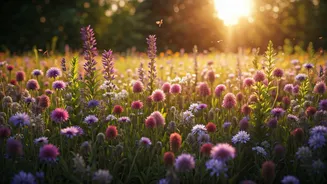
The single most impactful thing you can do for local biodiversity is to plant native species. These are the plants, flowers, shrubs, and trees that have co-evolved for thousands of years with the local wildlife. Unlike many popular ornamental plants from
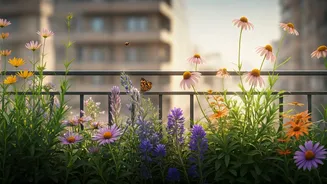
other continents, native flora provides the specific food and shelter that local insects, birds, and other animals need to thrive. Native bees, for example, are often specialized to pollinate certain local flowers that non-native honeybees can't. By choosing plants like coneflowers in the Midwest, salvias in California, or blueberries in the Northeast, you’re rolling out the welcome mat for a complex web of life. Start by replacing just a small patch of lawn with a native plant bed; the local fauna will find it.
2. Provide a Water Source
Every living creature needs water, and finding it can be a challenge in the paved-over urban landscape. Providing a consistent, clean water source is a powerful magnet for wildlife. This doesn’t mean you need an expensive pond or waterfall. A simple, shallow bird bath is perfect. To make it safe for smaller creatures like bees and butterflies, add a few rocks or marbles that break the surface, giving them a safe place to land and drink without drowning. Remember to change the water every few days to prevent mosquito larvae from developing and to keep it fresh for your wild visitors.
3. Rethink the Perfect Lawn
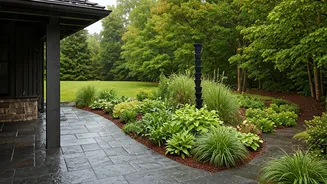
The vast, green, monoculture lawn is an ecological desert. It offers virtually no food or shelter for wildlife and requires immense amounts of water, fertilizer, and often pesticides to maintain. Supporting biodiversity means challenging the ideal of a perfectly manicured carpet of grass. Consider reducing your lawn's footprint by expanding your garden beds with native plants. Allow clover and dandelions to grow; they are a vital early-season food source for pollinators. Mowing less frequently and raising the blade height allows small flowers to bloom and provides better cover for insects and other small animals.
4. Create Shelter and Nesting Sites
Food and water are critical, but wildlife also needs safe places to rest, hide from predators, and raise their young. You can easily create these shelters in your yard. A small brush pile made from fallen branches provides excellent cover for rabbits and songbirds. Leaving some dead stems and stalks from perennials standing over the winter offers nesting sites for solitary bees. A dense shrub or a small evergreen tree can become a vital sanctuary for birds during a storm. Even a simple “bug hotel” made from bundled reeds or drilled blocks of wood can provide crucial habitat for beneficial insects that will, in turn, pollinate your garden and control pests.
5. Be a Messy Gardener
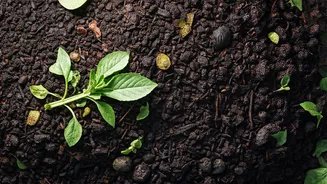
For biodiversity, a little bit of mess is a good thing. Resist the urge to rake up every last leaf in the fall. A layer of leaf litter on your garden beds is natural mulch that enriches the soil, retains moisture, and, most importantly, provides a crucial habitat for overwintering butterflies, moths, and other insects. These insects are a foundational food source for birds in the spring. By “leaving the leaves,” you’re essentially creating a free, high-protein bird feeder for when they need it most. A tidy garden may look clean to us, but to wildlife, it looks sterile and inhospitable.
6. Turn Off the Lights
Light pollution is a significant and often overlooked threat to urban wildlife. For the millions of nocturnal insects, like moths, artificial lights are a fatal attraction. They disrupt migration, mating, and feeding, contributing to alarming declines in insect populations. Birds that migrate at night can become disoriented by city glow. The solution is simple: turn off unnecessary outdoor lights. For security lighting, use motion-activated fixtures with a downward-facing shield. Choose warm-colored bulbs (yellow or amber) over harsh blue-white LEDs, as they are less disruptive to most wildlife. A darker yard is a safer and more welcoming space for the creatures of the night.