


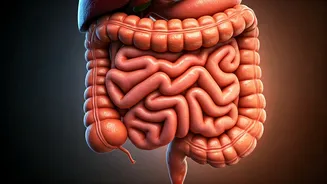
First, What Is 'Fibermaxxing'?
Forget simply eating an apple a day. 'Fibermaxxing' is the internet-coined term for intentionally and strategically maximizing your daily fiber intake to optimize health. The trend is particularly popular in tech and biohacking circles, where data-driven
individuals are chasing peak performance. The goal isn't just to be 'regular'—it's to stabilize blood sugar, improve cognitive function, feed a healthy gut microbiome, and increase satiety to manage weight. It’s about treating fiber not as a boring dietary component, but as a high-performance tool.
Secret 1: Master the Two-Type Rule
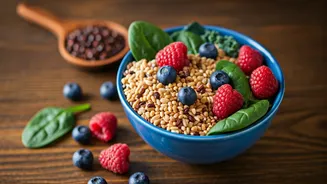
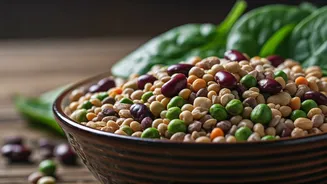
Top nutritionists emphasize that not all fiber is created equal. The key is to get a robust mix of both soluble and insoluble fiber. Soluble fiber dissolves in water to form a gel-like substance, which helps slow digestion, manage blood sugar, and lower cholesterol. Think oats, chia seeds, beans, and apples. Insoluble fiber adds bulk to stool and helps food pass more quickly through the digestive system. You'll find it in whole grains, nuts, and vegetables like cauliflower and green beans. A 'fibermaxxing' pro doesn’t just eat one; they build meals that contain both. For example, a morning bowl of oatmeal (soluble) topped with walnuts and berries (insoluble) is a perfect two-type combo.
Secret 2: Create a 'Fiber Shield' Before Meals
One of the most effective strategies shaking up social media is the concept of 'front-loading' fiber. This means eating a fiber-rich appetizer before your main meal. A small salad with a light vinaigrette, a handful of raw carrots, or a small bowl of lentil soup can create a viscous, gel-like 'shield' in your stomach. This slows the absorption of glucose from the carbohydrates you eat next, preventing the dramatic blood sugar spikes and subsequent crashes that kill afternoon productivity. It’s a simple trick that helps regulate energy levels and keep you feeling full and focused for hours.
Secret 3: Hydration Is Non-Negotiable
Here's the secret that separates successful fiber-optimizers from the uncomfortably bloated: water. As you dramatically increase your fiber intake, you must also increase your water intake. Fiber, especially the soluble kind, works by absorbing water. Without enough H2O, all that extra bulk can lead to constipation, gas, and cramping—the opposite of your intended goal. A good rule of thumb is to aim for at least eight glasses of water a day, and even more if you're active or live in a hot climate. Think of water and fiber as a team; one can't do its job properly without the other.
Secret 4: Think Beyond Obvious 'Roughage'
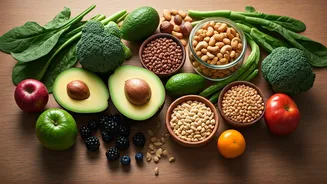
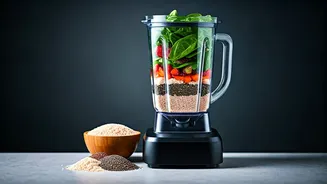
When people hear 'fiber,' they often picture bran muffins and cardboard-flavored cereals. But a sophisticated approach involves diversifying your sources. Avocados, for instance, pack a surprising 10 grams of fiber per cup. Raspberries and blackberries are fiber superstars, offering around 8 grams per cup. Chia seeds and flaxseeds are tiny powerhouses you can sprinkle on almost anything, from yogurt to smoothies. Even dark chocolate has fiber! The goal is to weave these foods into your diet seamlessly rather than forcing down a bowl of something you don't enjoy. Variety not only makes it more sustainable but also provides your gut with a wider range of beneficial nutrients.
Secret 5: Go Slow and Listen to Your Body
The single biggest mistake rookies make is going from zero to sixty. Your digestive system needs time to adapt to a high-fiber diet. If you typically eat 15 grams of fiber a day, jumping to 40 grams overnight is a recipe for discomfort. Nutrition experts advise increasing your intake by about 5 grams every few days. Pay attention to how your body feels. A little initial gas or bloating can be normal as your gut microbiome adjusts, but persistent discomfort is a sign to scale back and go even slower. 'Maxxing' is a marathon, not a sprint.