





More Than Just a Hot Summer
This isn’t just about preferring a mild day. ‘Heat fatigue’ describes the psychological and physical exhaustion from enduring prolonged periods of extreme temperatures. After seasons of record-shattering heatwaves, the novelty of a sizzling summer has
worn off for many. The constant hum of the air conditioner, the cancelled outdoor plans, and the oppressive ‘heat dome’ headlines have created a powerful desire not just for a vacation, but for a specific kind of atmospheric relief. The traditional allure of a sun-drenched tropical beach is being challenged by a more urgent need: the simple pleasure of wearing a light jacket in July.
The Data Shows a Northern Drift
Travel search data confirms this shift in sentiment. According to a recent report from Expedia, searches for ‘cool-cations’ are surging. Cities with average temperatures below 70°F have seen a notable uptick in interest. Similarly, travel sites like Skyscanner and Hopper have reported increased search volume for destinations in Canada, Scandinavia, Ireland, and the U.S. Pacific Northwest. This isn’t a marginal trend; it reflects a significant reprioritization of comfort over convention. Instead of asking, ‘Where can I find the most sun?,’ travelers are now asking, ‘Where can I escape it?’ This pivot is forcing the travel industry to rethink what ‘summer destination’ even means.
Popular Cool-Cation Destinations
So where is everyone dreaming of going? The list of trending destinations reads like a guide to the world’s most pleasant summer climates. These spots offer a mix of stunning nature, vibrant culture, and, most importantly, a respite from the heat.
The Pacific Northwest, USA
For a domestic escape, it’s hard to beat the evergreen appeal of Washington and Oregon. Cities like Seattle and Portland offer a perfect blend of world-class coffee, innovative food scenes, and easy access to staggering natural beauty. You can spend a morning exploring Pike Place Market or Powell’s Books and an afternoon hiking in the shadow of a volcano or walking along a misty, dramatic coastline. Average summer temperatures hover in the comfortable 70s, making it ideal for the kind of active, outdoor vacation that’s impossible in much of the country from June to August.
The Canadian Rockies & Maritimes
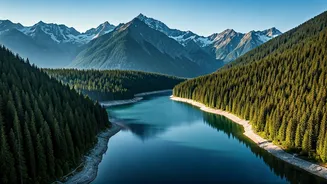
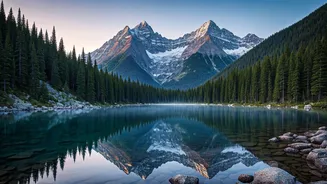
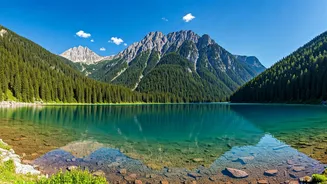
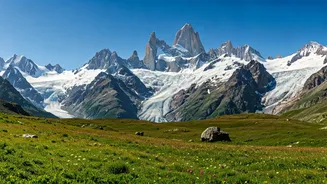
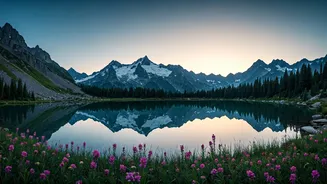
Our neighbor to the north is a prime beneficiary of this trend. The turquoise lakes and majestic peaks of Banff and Jasper National Parks in Alberta offer a postcard-perfect alpine escape. On the other side of the country, the coastal charm of Nova Scotia and Prince Edward Island in the Maritimes provides breezy ocean air, fresh seafood, and a slower pace of life. Both regions deliver dramatic scenery and delightfully cool summer nights.
Scandinavia and Northern Europe
For those willing to cross the Atlantic, destinations like Copenhagen, Stockholm, and Oslo are becoming go-to summer hotspots. These cities thrive in the summer, with locals and visitors alike enjoying the long daylight hours, canal-side cafes, and efficient public transit. Beyond the cities, the fjords of Norway, the archipelagos of Sweden, and the countryside of Denmark provide breathtaking landscapes that are best explored in mild weather. Ireland, with its eternally green hills and famously moderate climate, is also seeing a surge in interest from heat-weary Americans.
The Future of Vacation
This movement toward cooler climates is more than a fleeting fad; it’s likely the new normal for summer travel. As climate patterns continue to shift, the definition of a desirable destination will evolve with them. The ‘shoulder seasons’ of spring and fall may become the new peak seasons for traditionally hot locales like the Mediterranean. Meanwhile, northern regions may need to adapt to their newfound status as prime summer real estate. This behavioral shift is a powerful, real-time example of how individuals are adapting their lives and leisure to the realities of a warming planet. The summer vacation isn't disappearing, but its coordinates are being redrawn.