


So, What Exactly Is ‘Chatpata’?
Chatpata isn't a single ingredient or a specific dish. It's a flavor philosophy. The Hindi word loosely translates to ‘piquant’ or ‘savory,’ but that barely scratches the surface. Think of it as a meticulously balanced symphony of seemingly contradictory
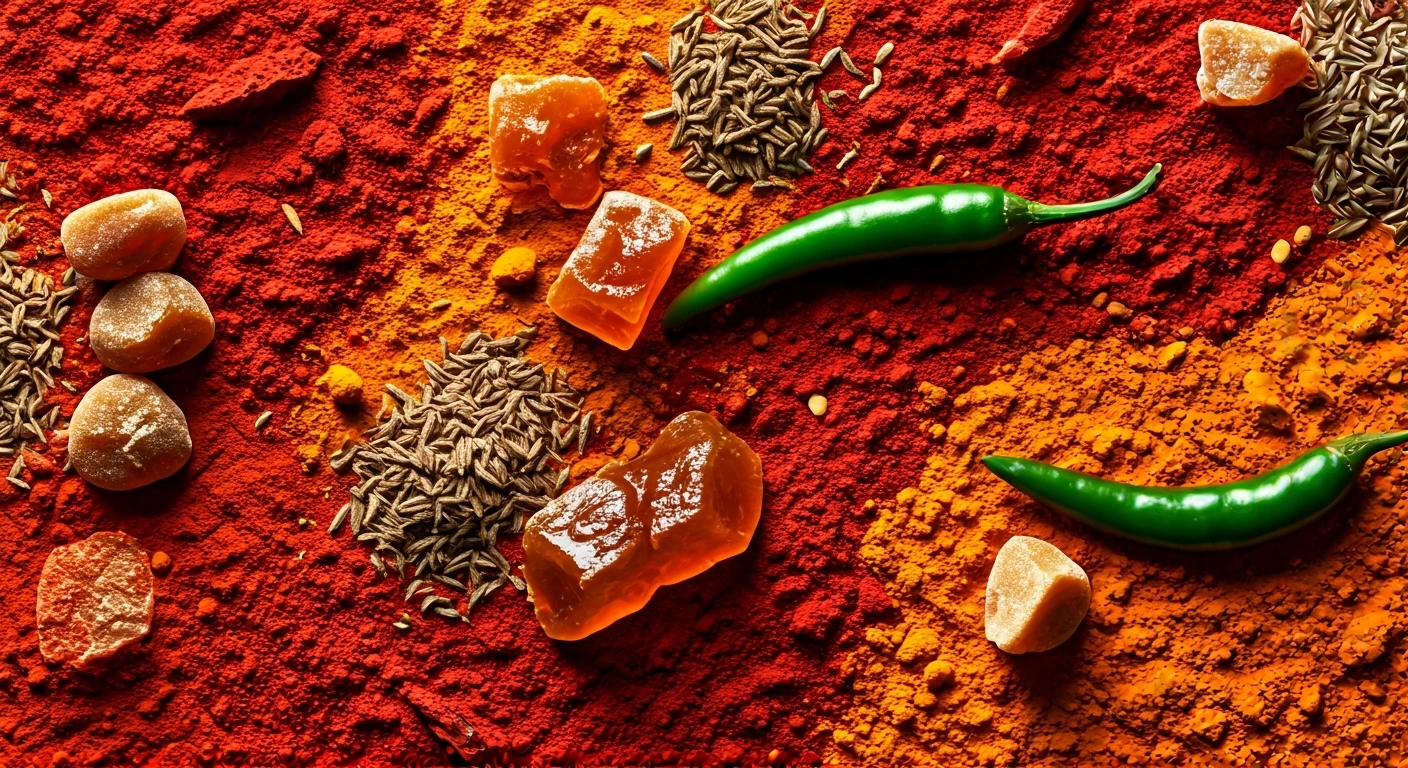
tastes hitting your tongue all at once: sweet, sour, spicy, salty, and tangy. It’s the jolt from a squeeze of lime, the sweetness of tamarind chutney, the slow burn of chili, the savory depth of roasted cumin, and the funky, mineral tang of black salt (kala namak). Unlike a singular flavor like ‘sweet’ or ‘salty,’ chatpata is about the interplay. It’s a flavor profile designed to wake up every single taste bud, creating a craveable, almost electric sensation that lingers long after the first bite.
More Than Just 'Spicy'
For decades, the American understanding of Indian cuisine has often been flattened into a single dimension: heat. We ask, “Is it spicy?” as if that’s the only question that matters. Chatpata is the joyful, definitive answer that proves how much more there is to the story. It doesn't just bring the heat; it brings everything else, too. Imagine the difference between a single, loud trumpet blast and a full orchestra playing a complex chord. That’s the difference between simple chili heat and the experience of chatpata. The spice is there, but it’s complemented and cooled by yogurt, balanced by the sweetness of dates or jaggery, and sharpened by the acidity of raw mango powder (amchur). This complexity prevents palate fatigue and makes each bite an evolving experience, not a monotonous dare.
The Taste of the Streets
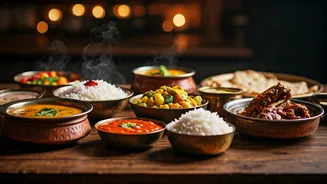
To understand chatpata, you have to go to its source: the vibrant, chaotic, and utterly delicious world of Indian street food, known as ‘chaat.’ These are the snacks that fuel a nation, served up from carts and small stalls. Think of bhel puri, a crunchy mix of puffed rice, finely chopped onions, potatoes, and a trio of chutneys (tamarind, mint-coriander, and garlic). Or pani puri (also called golgappe), where a hollow, crispy sphere is filled with spiced potatoes and chickpeas, then dunked in tangy, herbed water that you drink in one exhilarating gulp. These dishes are the living embodiment of chatpata. They are assembled to order, with the vendor customizing the balance of sweet, sour, and spice for each customer. It’s this interactive, dynamic, and unapologetically bold flavor that makes chaat one of the world's great culinary experiences.
Why America Is Finally Ready
The American palate has been in training for this moment. We’ve graduated from basic ketchup and mustard to embracing the funky depth of gochujang, the tangy heat of Tajín, and the umami-rich complexity of miso. We seek out fermented foods, crave sour beers, and understand that a dish’s greatness often lies in its balance of contrasting elements. Chatpata is the next logical step in this flavor evolution. Chefs in the U.S. are already weaving its principles into their menus, adding tamarind glazes to ribs, sprinkling chaat masala over fries, and creating yogurt dips that balance creamy, cool, and spicy. As more Americans discover the thrill of true Indian chaat at a growing number of specialized restaurants, the demand for this flavor profile will only intensify. It’s not just a trend; it’s the satisfying, complex jolt our taste buds have been waiting for.