





The Craving When the Clouds Break
Imagine this: After a long, scorching summer, the sky finally breaks open. The smell of rain hitting dry earth—petrichor—fills the air. In India and across South Asia, this isn't just a change in weather; it's a cultural event. And every event has its
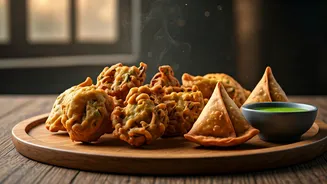
soundtrack, its scent, and its flavor. The flavor of the monsoon is, overwhelmingly, fried. This is the season of *pakoras* (vegetables or cheese dipped in chickpea batter and deep-fried), steaming hot *samosas* filled with spiced potatoes and peas, and roasted corn on the cob (*bhutta*) slathered with lime and chili. Eaten at home with family or bought from a street vendor under a makeshift tarp, these snacks aren't just food. They are a sensory experience, inextricably linked to the comfort and relief that rain brings. Paired with a cup of hot, milky, spiced tea (*chai*), it’s a ritual that signifies coziness, togetherness, and a delicious respite from the heat.
The Unwelcome Ingredient: A Warning Label
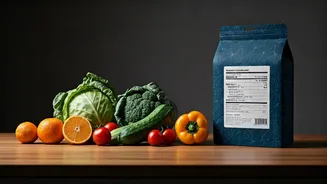
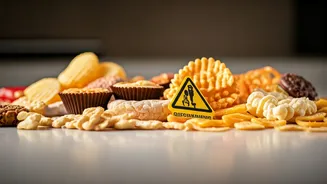
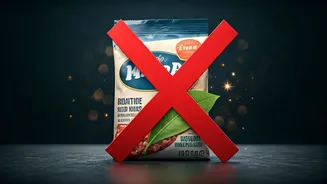
Into this idyllic scene steps the Food Safety and Standards Authority of India (FSSAI). For several years, the agency has been working to implement a system of front-of-package-labeling (FOPL) for processed and packaged foods. The goal is simple and one that public health officials from Mexico to the UK are embracing: to clearly inform consumers when a product is high in fat, salt, or sugar (HFSS). While the regulations don't target a vendor's fresh samosas, they apply to the massive market of packaged snacks—including frozen, ready-to-fry pakoras and branded bags of chips—that have become a convenient proxy for the real thing. It’s part of a broader battle against rising rates of obesity, diabetes, and heart disease in India. These aren’t warnings about contamination, but about content. The label acts as a stark, black-and-white caution sign on a category of food that has always been associated with pure, uncomplicated joy.
A Clash of Culture and Calories
This public health push has created a fascinating cultural tension. On one side, you have the undeniable data showing the health risks associated with diets high in processed foods. On the other, you have a deep-seated culinary tradition where fat, salt, and spice are pillars of flavor and comfort. For many, these snacks are not an everyday indulgence but a seasonal treat, a hallmark of a cherished time of year. Critics of the labeling initiative argue that it unfairly demonizes traditional foods and could harm small businesses. They see it as a blunt instrument applied to a nuanced cultural practice. The debate raises a question familiar to many cultures, including our own: Where do you draw the line between celebrating heritage and confronting a public health crisis? Is a government-mandated warning label a helpful nudge or an unwelcome intrusion into the kitchen and the culture?
More Than Just a Snack
Ultimately, the fight over labeling monsoon snacks is about more than just nutrition facts. It’s about the role of comfort food in a rapidly modernizing world. These snacks are a social glue. They are the centerpiece of impromptu gatherings when the rain keeps everyone indoors. They are the taste of childhood, of sitting with grandparents and watching the downpour. This emotional connection is what makes the conversation so fraught. No one argues that a diet consisting solely of fried food is healthy. But supporters of the tradition argue that context matters. A pakora isn't just a list of macronutrients; it’s a vehicle for memory and community. The health warning, however well-intentioned, can feel like it’s grading a feeling, putting a nutritional scarlet letter on a moment of pure, unadulterated comfort.